
BlogDestinationsKumano Kodo Trail Guide: Routes, Itinerary and Tours for 2026
Kumano Kodo Trail Guide: Routes, Itinerary and Tours for 2026
Table of contents

Nadine Gravis
Jun 22, 2026
Whether exploring Algonquin Provincial Park by canoe, or hiking Torres del Paine, Nadine loves spending time outdoors and sharing about her experiences.
The Kumano Kodo is one of Japan’s most meaningful long-distance walking experiences, where a network of ancient pilgrimage routes through the Kii Peninsula link forested mountains, sacred shrines, hot spring villages, mossy stone paths, and quiet rural communities. For travellers searching for the Kumano Kodo trail, a Kumano Kodo hike, or a deeper Japan pilgrimage experience, this is a route where the cultural journey matters as much as the walking itself.
On a slightly different note, if you’re unsure which hiking excursion to do, it might help looking into a range of Guided and Self-Guided Japan Hiking Tours before committing to the Kumana Kodo.
What Is the Kumano Kodo?
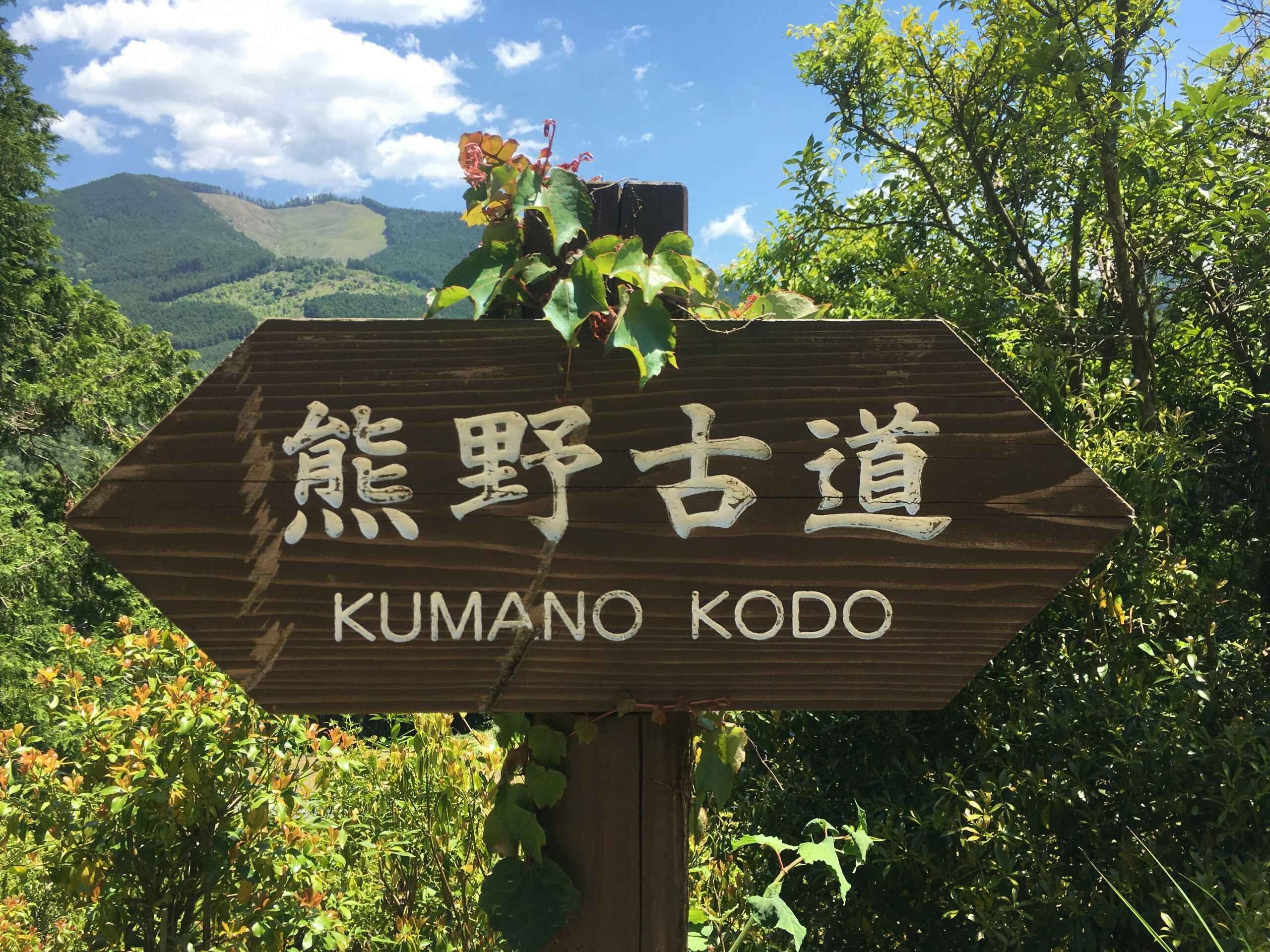
The Kumano Kodo is a historic network of pilgrimage routes in the Kii Peninsula, south of Osaka and Kyoto. For centuries, pilgrims walked these routes to reach the Kumano Sanzan, the three great shrines of Kumano: Kumano Hongu Taisha, Kumano Hayatama Taisha, and Kumano Nachi Taisha.
The route is often compared with the Camino de Santiago because both are rare examples of pilgrimage routes recognized as UNESCO World Heritage cultural landscapes. The Kumano Kodo is different in feel, though. It is more compact, more forested, and deeply tied to Japan’s blend of Shinto and Buddhist traditions, mountain worship, hot springs, and rural hospitality.
Travellers interested in how the Kumano Kodo compares with other spiritual walking routes can also read 10 Best Pilgrimage Routes in the World and Pilgrimages: Where to go in 2026.
Why Walk the Kumano Kodo Trail?
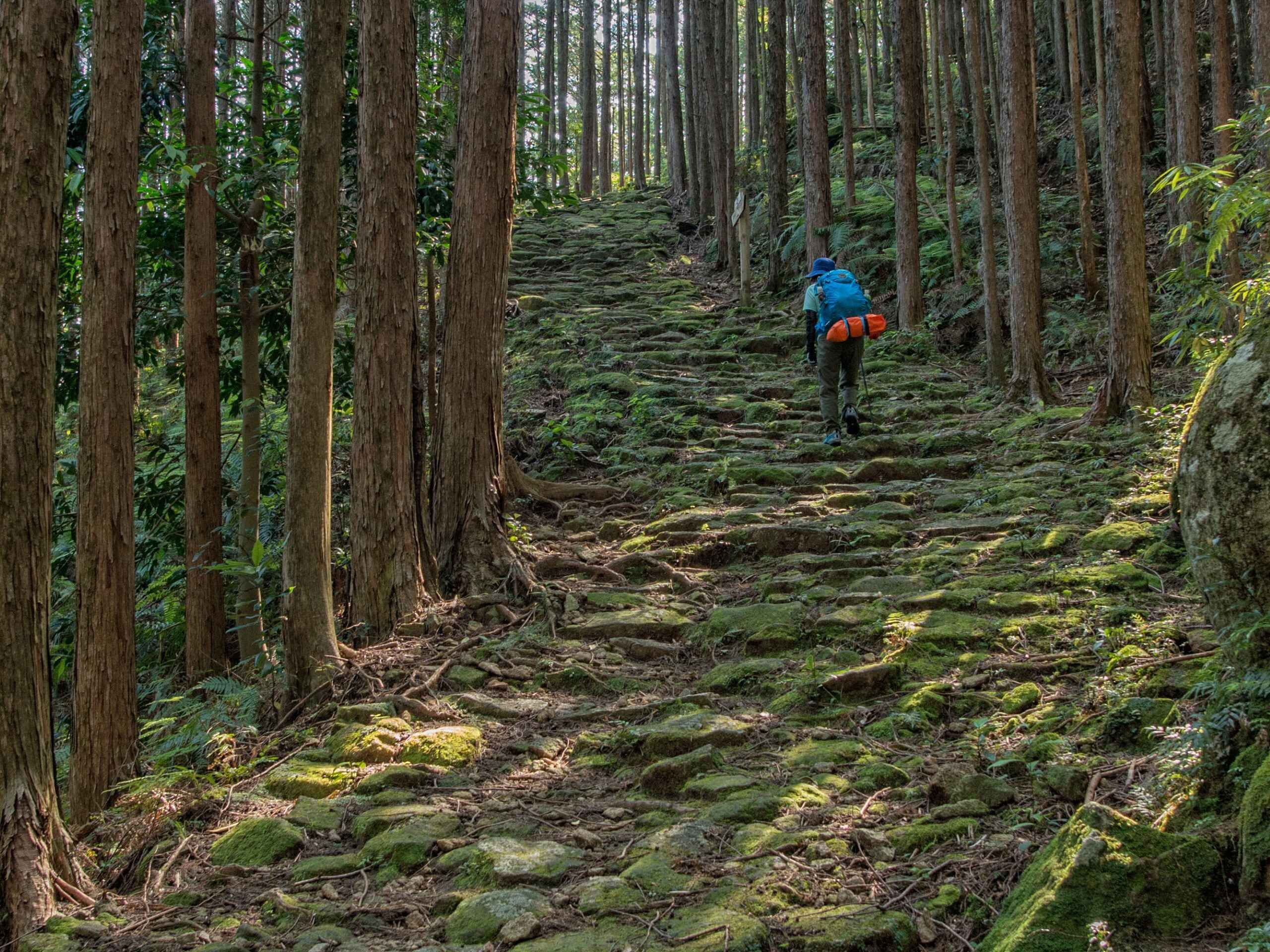
Walking the Kumano Kodo trail is not only about reaching a finish line. The appeal is in the atmosphere: cedar and cypress forests, stone stairways, small shrines, village inns, mountain passes, teahouse ruins, waterfalls, and quiet moments where the trail feels far removed from Japan’s cities.
It is also a good choice for travellers who want a walking holiday with cultural depth. A Kumano Kodo tour can combine hiking with ryokan-style stays, local food, train travel, shrine visits, and time in traditional towns. For many visitors, it is the best way to experience Japan beyond Tokyo, Kyoto, and the classic sightseeing route.
Travellers comparing the Kumano Kodo with other long-distance walks in the region can also browse Guided and Self-Guided Asia Hiking Tours for a wider view of walking and trekking trips across Asia.
Kumano Kodo Routes: Which Trail Should You Choose?
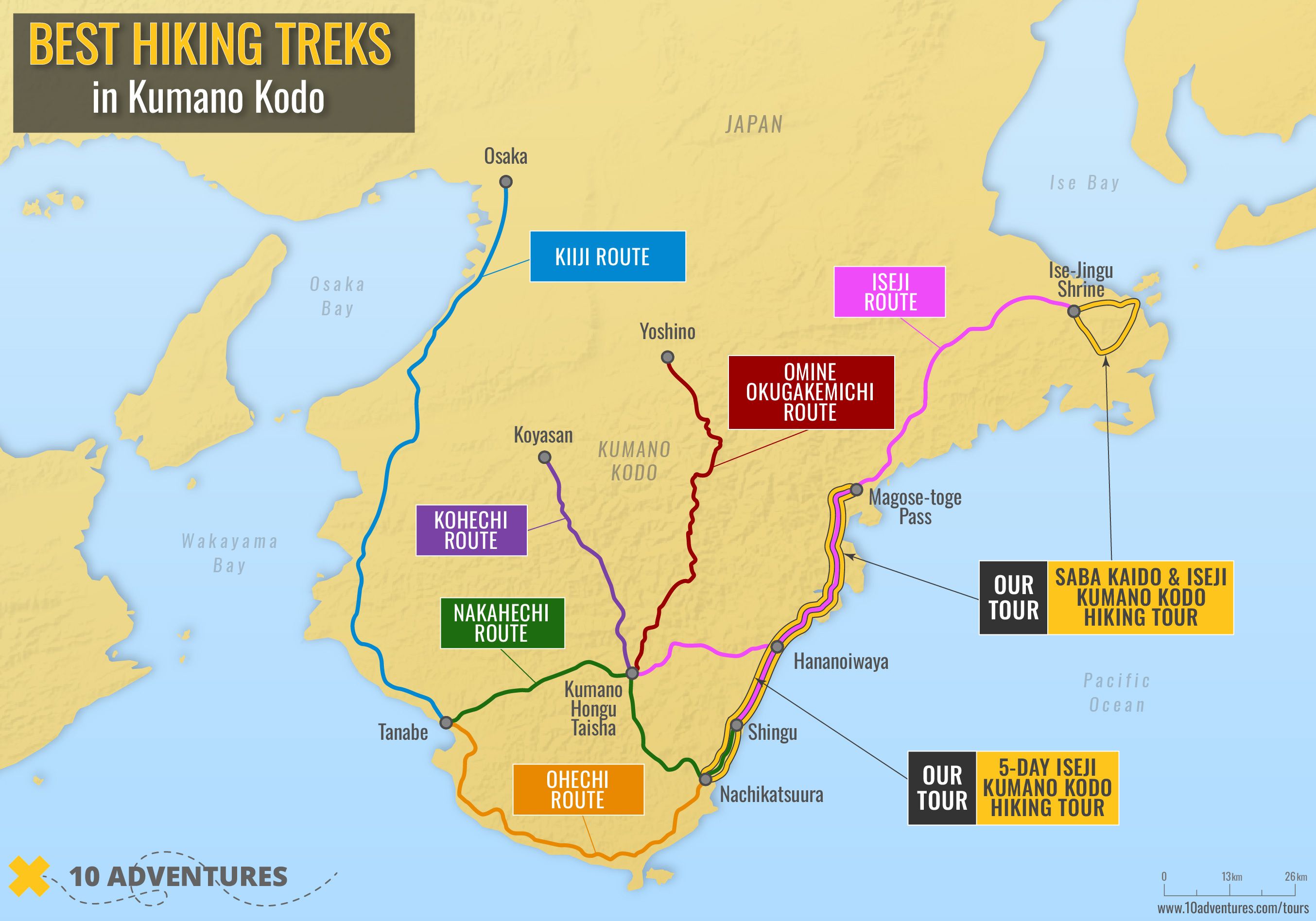
Some routes are better for first-time visitors, while others suit experienced hikers or travellers who want a more remote pilgrimage experience. The main names to understand are Nakahechi, Iseji, Kohechi, Ohechi, and the Koyasan-linked pilgrimage routes.
Nakahechi Route
The Nakahechi is the best-known Kumano Kodo route for many international walkers. It crosses the Kii Peninsula from the Tanabe area toward the Kumano grand shrines and is often chosen by travellers who want the classic inland pilgrimage experience. Expect forest paths, village stays, mountain walking, and a strong sense of spiritual history.
This is usually the route people picture when they search for a Kumano Kodo itinerary, although it is not the only option. Accommodation can be limited in peak seasons, so planning early matters.
Iseji Route
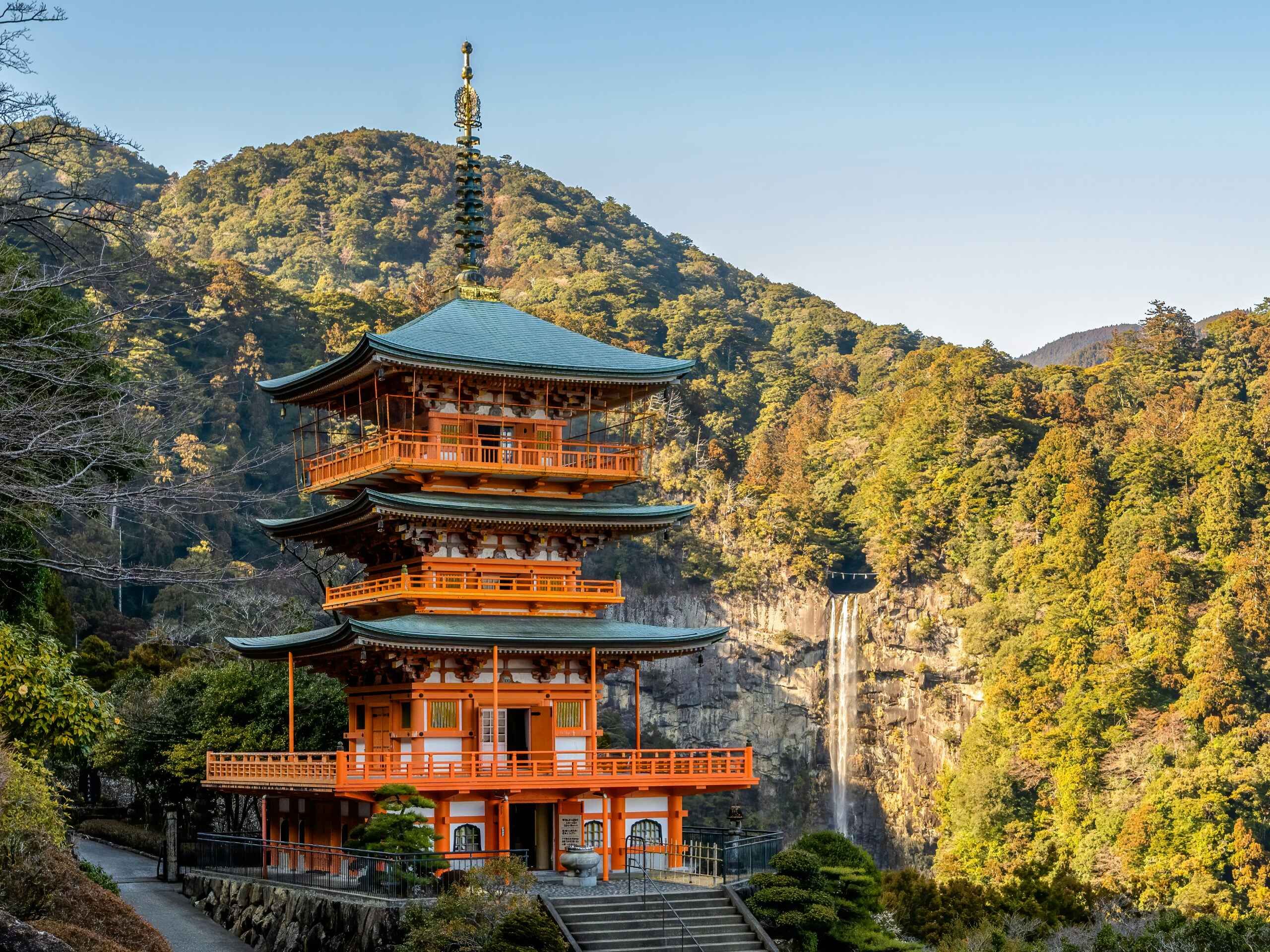
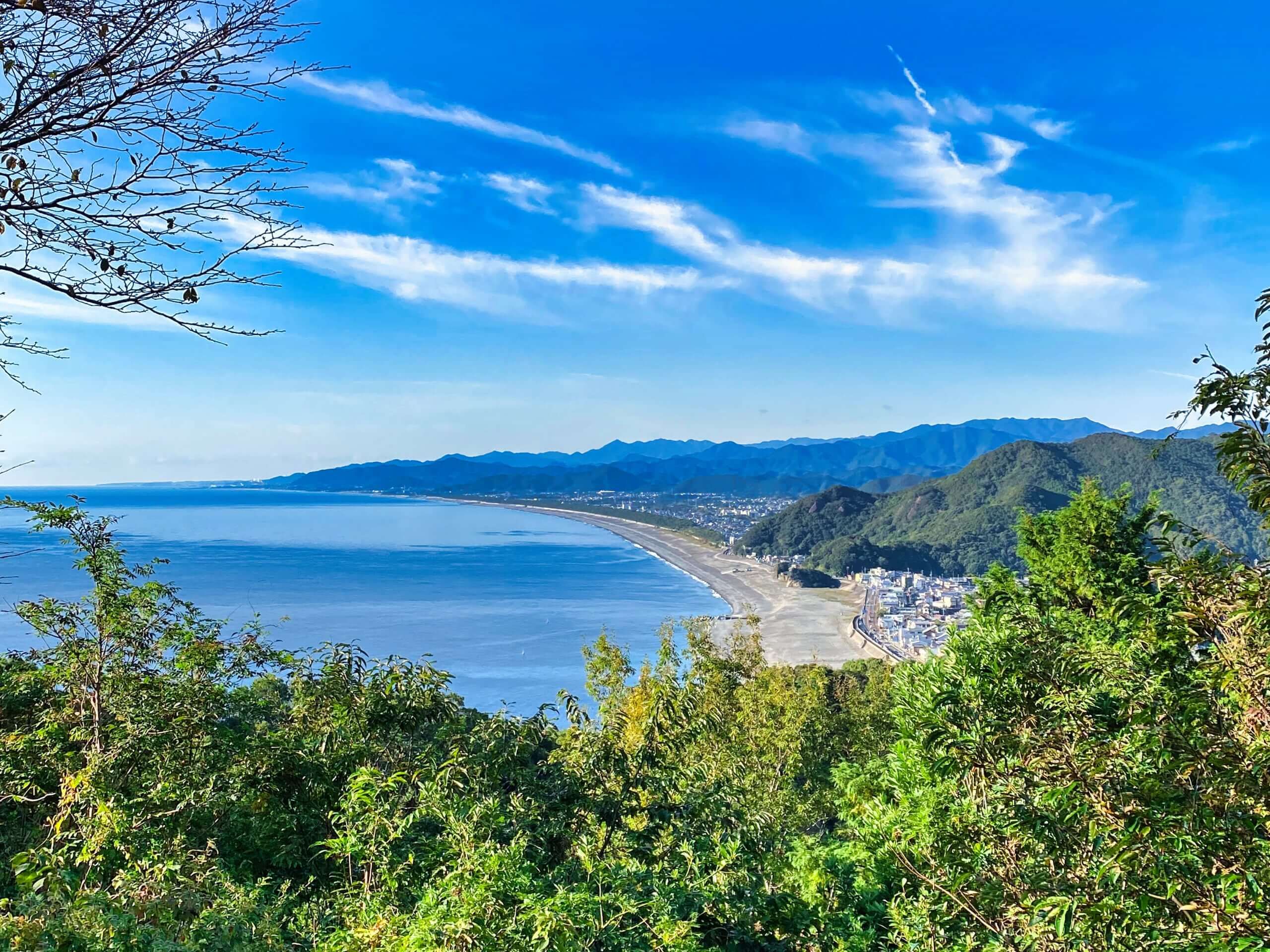
The Iseji is the eastern route of the Kumano Kodo, historically linking Ise Grand Shrine with the Kumano Sanzan. It is especially appealing for travellers who want a route that blends coastal scenery, forested passes, stone paths, shrines, small towns, and a quieter pilgrimage feel.
For a shorter Iseji-focused option, the Self-Guided 5-Day Iseji Kumano Kodo Hiking Tour follows a compact journey through Japan’s spiritual heartland, including Ise, Owase, Shingu, Nachi Taisha, and Nachi Falls.
Kohechi Route
The Kohechi links Koyasan with the Kumano area and is one of the more demanding Kumano Kodo routes. It is better for experienced hikers who are comfortable with steeper mountain terrain, longer days, and more remote sections. It can be very rewarding, but it is not usually the easiest first Kumano Kodo route.
Ohechi Route
The Ohechi follows a more coastal line around the Kii Peninsula. It is less commonly walked as a complete route today, but it remains part of the wider Kumano Kodo story and can appeal to travellers interested in coastal landscapes and historical route variants.
Saba Kaido and Kumano Kodo Combination
Some Japan walking itineraries combine Kumano Kodo with other historic routes. The Guided Saba Kaido & Iseji Kumano Kodo Hiking Tour is a longer option that links ancient trade and pilgrimage paths, starting with the Saba Kaido before continuing toward Ise and the Iseji Kumano Kodo. This is a good fit for travellers who want a deeper multi-day cultural walking experience rather than only a short trail sampler.
Best Time to Walk the Kumano Kodo
The best time to walk the Kumano Kodo is usually spring or autumn. March, April, May, October, and November are especially attractive for many walkers because temperatures are generally more comfortable, forests are beautiful, and the route feels alive without the worst of summer heat.
Spring can bring cherry blossoms and fresh greenery, while autumn can bring cooler air and seasonal colour. Early June and September can also work, but travellers should be more aware of rain, humidity, and changing trail conditions. Because accommodation in small villages is limited, popular months should be booked well in advance.
When not to walk the Kumano Kodo
Different seasons bring different challenges when walking the Kumano Kodo. Summer can be hot, humid, and wet, making climbs and stone paths more tiring. The rainy season and typhoon periods can also affect travel plans. Winter can be peaceful and possible on some sections, but shorter daylight, cold mornings, and occasional snow or ice on higher passes mean it is better for travellers who are prepared for variable conditions.
How Difficult Is the Kumano Kodo?
Kumano Kodo difficulty depends on the route and itinerary. Some sections are short and manageable, while others include steep climbs, uneven stone steps, forest trails, and repeated elevation changes. The trail is not technical mountaineering, but it can still feel demanding because of humidity, rain, daily walking, and the need to carry a daypack.
The key is matching the route to your fitness, comfort with stairs and uneven stone paths, and interest in shrine visits, villages, and transport connections.
How Many Days Do You Need for the Kumano Kodo?
Many travellers spend 4 to 7 days on a focused Kumano Kodo itinerary, depending on the route, daily distance, and how much cultural time you want before and after the walk. Shorter trips can focus on a few key trail sections and shrines, while longer itineraries can combine multiple historical routes or include Kyoto, Ise, Koyasan, Osaka, or coastal towns.
The right length depends on whether you want a pilgrimage-style walk, a cultural hiking add-on to a wider Japan trip, or a deeper route that links several historic paths.
Getting to the Kumano Kodo
Most international travellers reach the Kumano Kodo from Osaka, Kyoto, or Nagoya by train and local transport. The best access point depends on the route. Nakahechi itineraries often connect through the Tanabe area, while Iseji itineraries commonly involve Ise, Owase, Shingu, Nachi-Katsuura, and nearby coastal rail connections.
For travellers planning independently, the biggest challenge is usually not one single transfer but making the whole route work: arrival city, rail connections, luggage, accommodation, shrine visits, and daily walking distances all need to line up. This is where a pre-planned Kumano Kodo itinerary can save time.
Where to Stay on the Kumano Kodo
Accommodation is part of the Kumano Kodo experience. Depending on the route, walkers may stay in hotels, ryokan, minshuku, guesthouses, or hot spring inns. In smaller villages, rooms can be limited, especially in spring and autumn, so early booking is important.
Expect a different style of travel from a city hotel trip. Meals may be included in rural lodgings, rooms can be simple, and hospitality is often personal. This is one of the reasons a planned Kumano Kodo tour can be helpful: the overnight stops need to match the walking days, local transport, luggage arrangements, and available rooms.
Which Kumano Kodo Tour Is Right for You?
The best Kumano Kodo tour depends on how much time you have, how much support you want, and whether you prefer a compact pilgrimage experience or a longer cultural walking journey. These two 10Adventures options are the most relevant for travellers researching the Kumano Kodo trail:
- Self-Guided 5-Day Iseji Kumano Kodo Hiking Tour: best for travellers who want a shorter, easier Iseji-focused pilgrimage with hotels, public transport, sacred sites, and a compact walking itinerary.
- Guided Saba Kaido & Iseji Kumano Kodo Hiking Tour: best for travellers who want a longer cultural journey combining Saba Kaido, Ise Jingu, the Iseji Kumano Kodo, guided hiking days, shrines, villages, and coastal Japan.
A dedicated pre-planned tour can be especially useful because the pilgrimage is not one single path, but a collection of routes, each with its own terrain, history, access points, and atmosphere.
Travellers interested in other walking trips in the country can also browse Guided and Self-Guided Japan Tours, Guided and Self-Guided Japan Hiking Tours, and Guided and Self-Guided Honshu Hiking Tours.
If you are still unsure where to even begin researching regions within Japan, the Japan Walking Tours Guide can be a useful place to start! You can see how Kumano Kodo fits with Honshu, Hokkaido, Kyushu, Shikoku, and other Japan walking areas.
What to Pack for the Kumano Kodo
Pack for forest trails, stone paths, rain, humidity, and village-to-village walking. Yep, we know that’s a wide range of different terrain and conditions to consider.
In general, good broken-in hiking shoes or lightweight boots are important, especially on wet stone. Bring a breathable rain jacket, layers, a daypack, sun protection, blister care, a refillable water bottle, and clothing that dries quickly.
Because some itineraries use luggage transfers or hotel-to-hotel logistics, check your specific trip notes before packing. You may only need to carry a daypack on walking days, but you should still be ready for sudden weather changes and uneven trail surfaces.
Final Tips for Planning a Kumano Kodo Hike
First things first: choose your route before choosing your dates. It would be awful to go through the entire planning process only to find out that you picked the wrong season to walk in!
The Nakahechi is the classic route for many first-time pilgrims, the Iseji is excellent for travellers who want a quieter route with coastal and shrine connections, and the Kohechi is better for stronger hikers who want a more demanding mountain pilgrimage.
Book accommodation early, especially in spring and autumn. Be realistic about daily distance, elevation, and rain. Leave time for shrines, onsen, meals, train connections, and slow moments on the trail. The Kumano Kodo is rich with natural and cultural wonders, making it essential to treat the excursion more like a journey rather than a race.
Frequently Asked Questions About the Kumano Kodo Trail
What is the Kumano Kodo?
The Kumano Kodo is a network of ancient pilgrimage routes on Japan’s Kii Peninsula. The routes connect sacred shrines, mountain passes, villages, forests, and hot spring areas associated with the Kumano Sanzan.
Is the Kumano Kodo a single trail?
No. The Kumano Kodo is a network of routes. The most commonly discussed routes include Nakahechi, Iseji, Kohechi, Ohechi, and routes linked with Koyasan and other sacred areas.
What is the best Kumano Kodo route for first-timers?
Many first-time walkers choose the Nakahechi because it is the best-known inland pilgrimage route, but the Iseji is also a strong option for travellers who want a shorter or quieter route with forest paths, coastal towns, and major shrines.
When is the best time to walk the Kumano Kodo?
Spring and autumn are usually the best seasons. March to May and October to November often offer the best mix of comfortable walking conditions, scenery, and manageable temperatures.
Is the Kumano Kodo difficult?
It depends on the route. Some itineraries are easier and use shorter walking days, while others include steep climbs, remote passes, and longer distances. Rain, heat, stone steps, and elevation changes can make the trail feel harder than the mileage suggests.
How many days do you need for the Kumano Kodo?
Many travellers choose a 4 to 7 day Kumano Kodo itinerary, though longer trips can combine multiple routes or add Kyoto, Ise, Koyasan, Osaka, or other parts of Japan.
Can you walk the Kumano Kodo self-guided?
Yes, some Kumano Kodo routes can be walked self-guided with the right route notes, accommodation planning, luggage arrangements, and transport details. A self-guided tour can make the logistics easier while still allowing independent walking.
Is the Kumano Kodo like the Camino de Santiago?
Both are historic pilgrimage routes with UNESCO recognition, but they feel very different. The Kumano Kodo is generally more forested, mountainous, compact, and closely tied to Japanese shrine culture, hot springs, and rural hospitality.
Nadine Gravis
Jun 22, 2026
Whether exploring Algonquin Provincial Park by canoe, or hiking Torres del Paine, Nadine loves spending time outdoors and sharing about her experiences.
Recent stories
Destinations
Top Walking and Cycling Tours with Luggage Transfer
A point-to-point walking or cycling trip is easier to manage when you only carry what you need during the day.
Nadine Gravis
Sep 22, 2026
Destinations
Best Hiking and Cycling Tours for First-Time Active Travelers
Your first active vacation does not need to mean climbing a major peak or riding a mountain pass every day.
Lynn Campbell
Sep 19, 2026
Destinations
Best Time to Hike Tour du Mont Blanc in 2027
Mont Blanc's scenery evolves from a wildflower spectacle to a magical winter wonderland throughout the seasons, transforming from an "easier" (for lack of a better word) trek to a more technical adventure.
Kelsey Krahn
Sep 16, 2026