
BlogTrip GuidesAlpe Adria Trail: The Ultimate Guide to a Self-Guided Alpe Adria Tour in 2026
Alpe Adria Trail: The Ultimate Guide to a Self-Guided Alpe Adria Tour in 2026
Table of contents

Richard Campbell
Mar 20, 2026
If you are looking for one of Europe’s most rewarding hiking or cycling trips, the Alpe Adria is hard to beat. This is a journey that takes you from the Alps toward the Adriatic, crossing some of the most memorable landscapes in Austria, Slovenia, and Italy. Along the way, you move from dramatic mountain scenery to turquoise rivers, vineyard country, historic towns, and finally the coast. For travelers who want a trip that feels immersive, scenic, and deeply satisfying, a self-guided Alpe Adria tour is one of the best choices in Europe.
What makes the Alpe Adria especially appealing is that it works beautifully both as a hiking trip and as a cycling trip. The Alpe-Adria Trail is the long-distance hiking route, officially stretching about 750.0 km over 43 stages from the Grossglockner area to the Adriatic. The Alpe Adria Cycle Path is a separate route from Salzburg to Grado, covering about 410.0 km to 415.0 km, usually completed in around 8 days. Both routes are ideal for travelers who want the freedom of a self-guided trip, with the comfort of pre-booked accommodation, route notes, and luggage transfer.
What is the Alpe Adria Trail?
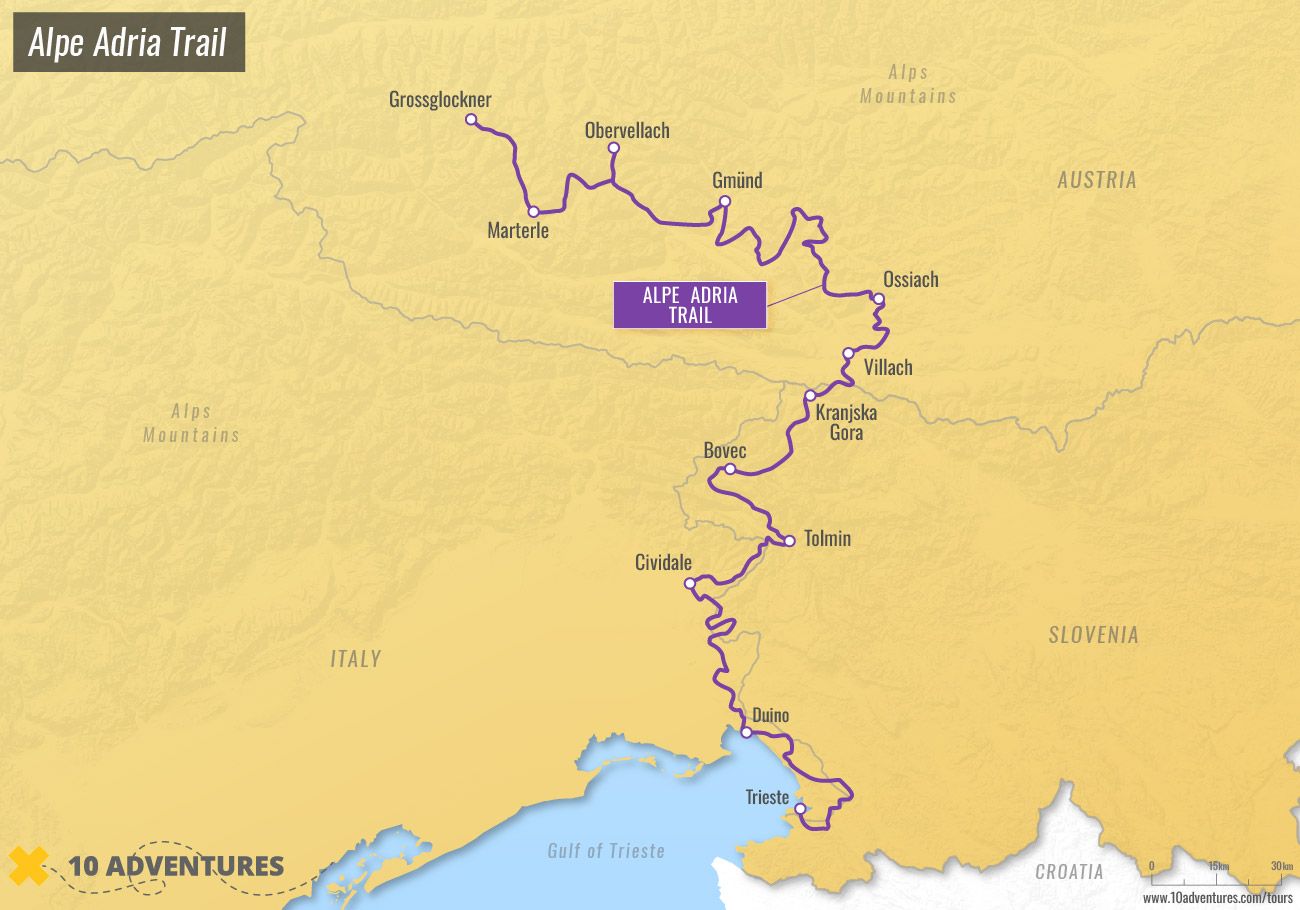
The Alpe-Adria Trail is a long-distance hiking route that begins at the foot of Austria’s highest mountain, Grossglockner, and leads through Carinthia, Slovenia, and Friuli Venezia Giulia before finishing near the Adriatic. It is designed for ‘pleasure hikers,’ with an average stage length of around 20.0 km and roughly 6 hours of walking per day. It is signposted throughout and was designed to avoid extreme altitude differences where possible, making it a very attractive choice for walkers who want a serious long-distance experience without needing technical mountaineering skills.
This is not a trail that stays in one landscape. That is one of its greatest strengths. Early on, you are in alpine terrain. Later, you pass through the dramatic scenery of Slovenia, including areas around Kranjska Gora and the Soča Valley, then continue into rolling wine country and toward the Adriatic. That sense of progression is part of what makes the Alpe Adria feel so special. You are traveling through distinct cultures, cuisines, and landscapes.
Recommended Alpe Adria Hiking Tours
Travelers who want logistics handled can look at a self-guided Alpe Adria Trail hiking tour or a walking tour combining the best of the Alpe Adria and Juliana Trail. These Alpe Adria hiking tours listed can be customized just for your needs, whether you want to add rest days, combine tours together to make a longer trip, or upgrading hotels.
What is the Alpe Adria Cycle Path?
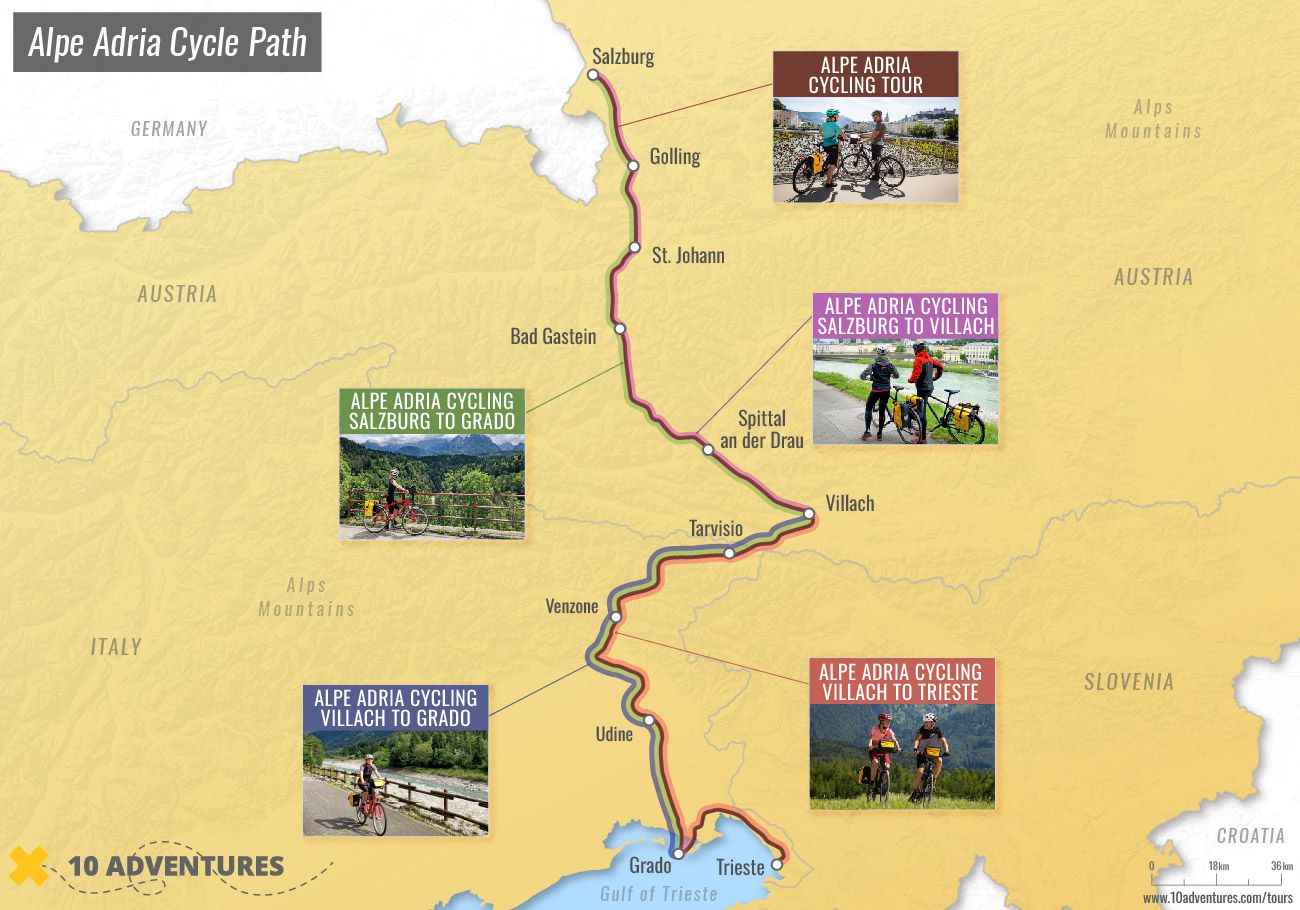
The Alpe Adria Cycle Path, also known as the Alpe Adria Radweg or Ciclovia Alpe Adria, is a separate route designed for cyclists. It runs from Salzburg to Grado and is generally listed at about 415.0 km, with more than 5,400 m of climbing and a typical duration of 8 days. It is usually rated moderate and is one of Europe’s classic point-to-point bike tours because it offers a true Alps-to-sea journey without being overwhelmingly difficult for recreational cyclists.
The cycling route works so well because the surfaces and infrastructure are generally friendly. Long sections use dedicated cycle paths in Austria, while Italy combines bike paths, quiet roads, and scenic repurposed rail corridors. For many riders, it feels adventurous without being intimidating.
Recommended Alpe Adria Cycling Tours
There is obvious the classic Alpe Adria Cycle Path from Salzburg to Grado, but also a shorter version that goes from Villach to Grado Alpe Adria bike tour. You can also extend the Alpe Adria on a self-guided Villach to Trieste bike tour. Finally, for those that want a trip they won’t ever forget, the Luxury Alpe Adria cycling tour combines deluxe accommodations with the Alpe Adria. All these Alpe Adria bike tours have the option to add rental hybrid bikes or e-bikes.
All the Alpe Adria bike tours listed above are custom tours so they can be customized just for your needs. Common customizations are adding rest days, combining tours together, and upgrading hotels.
Alpe Adria tour: Hike or Bike?
A lot of travelers searching for a self-guided Alpe Adria tour are not yet sure whether they want to hike or bike. The answer depends on the kind of experience you want.
Choose the hiking version if you want a slower, deeper, more immersive trip. Walking lets you absorb the changing scenery in a way that feels intimate. You notice the shift from alpine villages to vineyard landscapes and Mediterranean influences, and every day feels earned in a satisfying way.
Choose the cycling version if you want the same Alps-to-Adriatic storyline in a shorter timeframe. You still get the changing landscapes and cultural transitions, but you can complete the journey in roughly a week. It is a very strong option for couples, active travelers, e-bike riders, and anyone who wants a high-reward itinerary without committing to a six-week hike.
How long does the Alpe Adria take?
For hikers, the full Alpe-Adria Trail takes around 43 stages, and many travelers need about 6 weeks to walk the full route. Many self-guided travelers choose only a section of the route, which makes the experience much easier to fit into a normal holiday.
For cyclists, the full Salzburg-to-Grado Alpe Adria route is generally completed in around 8 days, though some itineraries are shorter if they start farther south, such as in Villach.
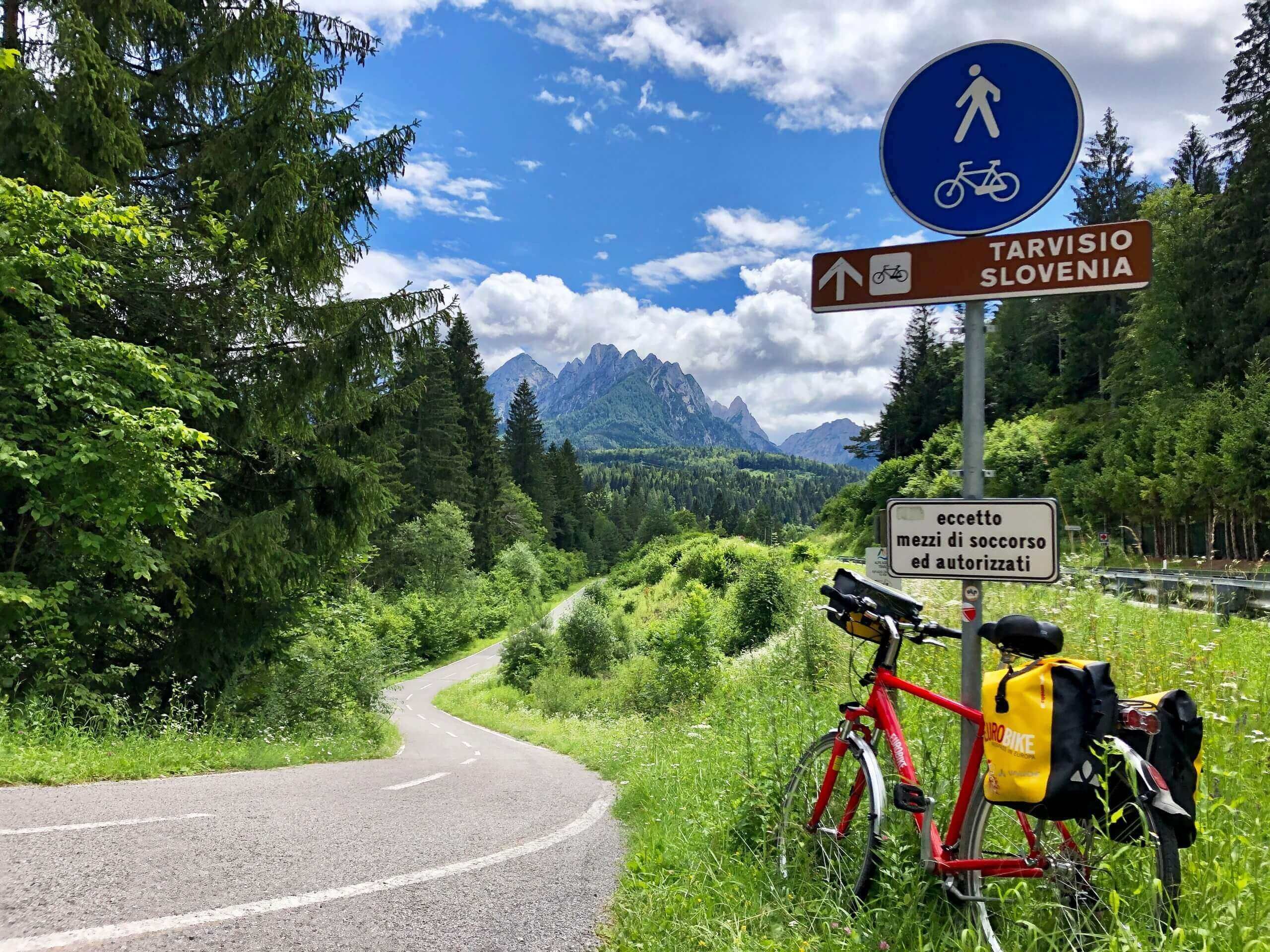
Best time to go on a self-guided Alpe Adria Tour?
The most reliable season for the Alpe Adria is spring through autumn. In practical terms, June and September are often the sweet spots, with good conditions, open services, and lighter crowding than peak summer.
July and August are popular because mountain services are fully open, but those months can also bring more competition for accommodation. For cyclists, shoulder season can be especially pleasant because lower sections near the Adriatic can be hot in midsummer.
How difficult is the Alpe Adria?
The hiking trail is best described as moderate overall, though daily stage difficulty varies. It suits travelers with good basic fitness who are comfortable walking 4 to 7 hours a day on varied terrain.
The cycle path is also generally considered moderate. Many daily rides fall in the 30.0 km to 60.0 km range, and the route is approachable for recreational cyclists, especially with e-bikes or luggage transfer.
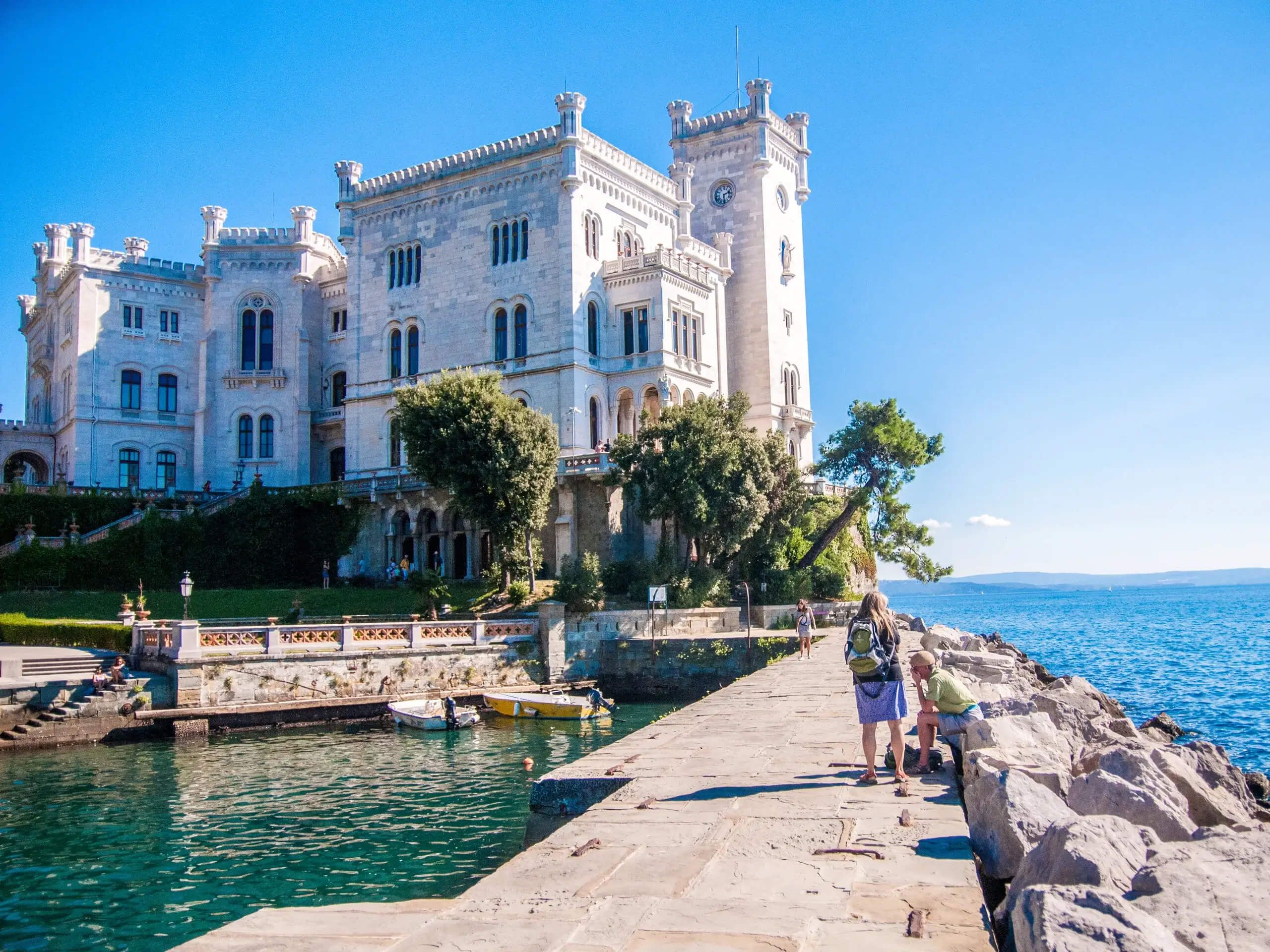
What are the biking surfaces like?
The Alpe Adria Cycle Path is not entirely traffic-free, but it includes many stretches of dedicated cycle path, particularly in Austria. In Italy, the route is generally a mix of dedicated bike paths, quiet country roads, and repurposed railway tracks.
Overall, the route is best suited to touring bikes, hybrid bikes, gravel bikes, and e-bikes. Riders on pure road bikes may be fine in many sections, but slightly wider tires are usually a better choice for comfort and versatility over several days.
Accommodation on the Alpe Adria
One of the biggest reasons the Alpe Adria works so well as a self-guided holiday is the accommodation style. This is not a wilderness camping route. It is far better suited to guesthouses, inns, apartments, and small hotels, which makes the trip much more comfortable and accessible.
For cyclists, all trips are hotel-based and designed to be comfortable rather than rugged. That makes the route attractive to travelers who want an active trip without carrying everything on their backs.
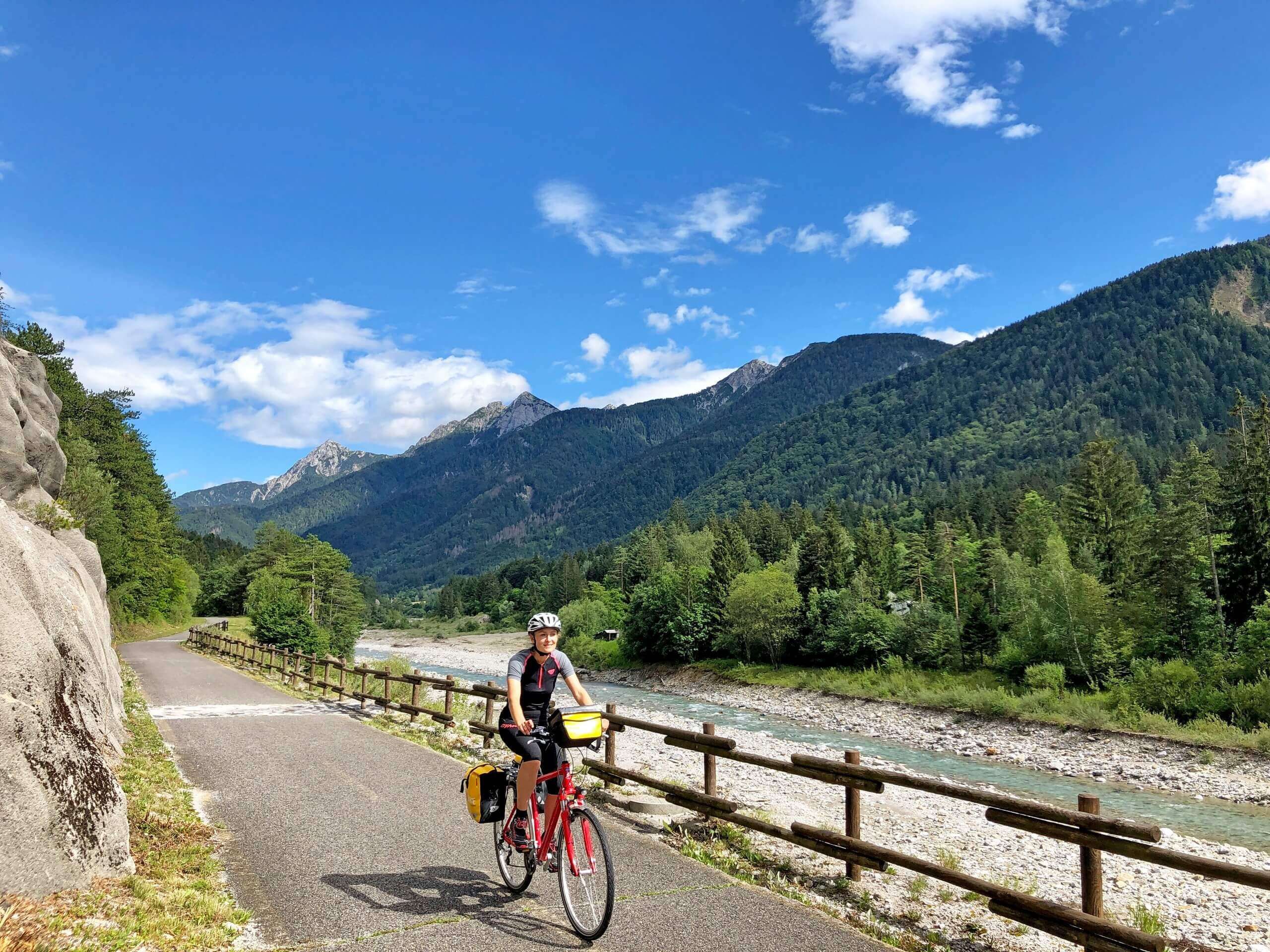
Is luggage transfer available?
Yes, and this is one of the biggest selling points of a self-guided Alpe Adria tour. Having luggage moved between accommodations means you can hike with only a daypack or ride without loaded panniers, which makes the trip dramatically more enjoyable.
It also lowers the barrier for first-time self-guided travelers who want the freedom of point-to-point travel without the burden of carrying every piece of gear themselves.
Can you camp on the Alpe Adria?
Not as a continuous wild camping trip. In practice, the Alpe Adria is much better suited to inn-to-inn or hotel-to-hotel travel.
For most travelers, that is actually good news: it means lighter bags, better recovery, easier logistics, and a more comfortable overall trip.
What should you pack for the Alpe Adria?
For hikers, pack for an inn-to-inn trip rather than for remote backpacking. A good list includes broken-in hiking shoes or light boots, moisture-wicking clothing, a warm layer, waterproof jacket, sun protection, a refillable water bottle, blister care, and a comfortable daypack.
For cyclists, the essentials are straightforward: padded shorts, breathable jerseys, rain gear, a light insulating layer, gloves, sunglasses, basic repair items, and comfortable off-bike clothes. E-bike riders should also plan for chargers and battery management.
Why the Alpe Adria is such a memorable self-guided trip
What makes the Alpe Adria stand out is not just that it is scenic. Plenty of routes are scenic. What makes this one different is the feeling of progression. You begin in the Alps and gradually move toward the Adriatic, passing through places that feel genuinely distinct in culture, cuisine, architecture, and atmosphere.
That is why the route works so well as a self-guided trip. You get independence, flexibility, and time to connect with the places you move through, but without the stress of designing every detail yourself.
Final thoughts on the Alpe Adria
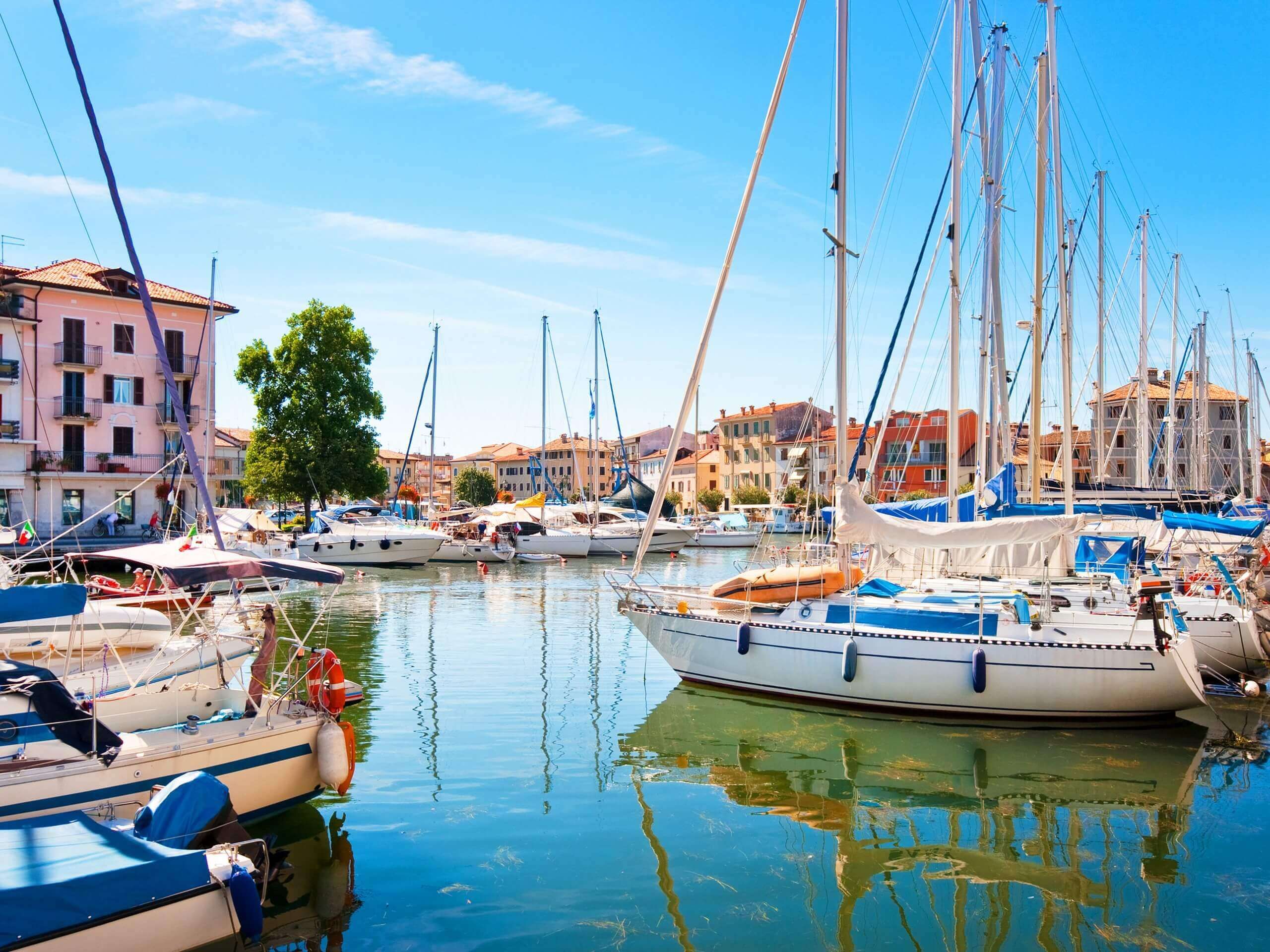
If you are searching for the best self-guided Alpe Adria tour, the real question is not whether the route is worth doing. It absolutely is. The real question is whether you want to experience it on foot or by bike.
For hikers, the Alpe-Adria Trail offers one of Europe’s most satisfying long-distance journeys, with a remarkable progression from alpine terrain to the sea. For cyclists, the Alpe Adria Cycle Path delivers that same Alps-to-Adriatic arc in a more compact, highly accessible format. Either way, this is the kind of trip that stays with you long after it ends.
Alpe Adria FAQ
How long is the Alpe Adria Trail?
The Alpe-Adria Trail is about 750.0 km long and divided into 43 stages.
How long is the Alpe Adria Cycle Path?
The Salzburg to Grado cycle route is about 410.0 km to 415.0 km long and is typically ridden in around 8 days.
What is the best time for a self-guided Alpe Adria tour?
Late spring to early autumn is best, with June and September often offering an especially good mix of conditions and lighter crowding.
Is the Alpe Adria difficult?
Both the hiking trail and cycle path are generally considered moderate, though some sections are more demanding than others. Good fitness is recommended.
Can you do the Alpe Adria as a self-guided trip?
Yes. It is one of the best routes in Europe for self-guided travel because accommodation, signposting, luggage transfer, and transport support are well developed.
Can you camp on the Alpe Adria?
Only on designated campsites, and not at every stop, so the route is much better suited to inn-to-inn or hotel-based travel.
Can I rent an e-bike for the Alpe Adria?
Yes you can. During your booking process you can request e-bikes or a standard touring bike.
How long in advance should I plan my Alpe Adria?
While we have booked last-minute Alpe Adria tours, it is best to book your tour in advance. This is because 10Adventures offers only custom, self-guided Alpe Adria Tours. This means that all your accommodations, luggage transfers, and bicycles need to be reserved just for you, and waiting until the last minute may mean there is no availability. For last minute reservations it may be necessary to use different hotels during your trip.
Are guided tours possible for the Alpe Adria?
Yes, guided Alpe Adria tours are possible. Due to the cost of a guide, these guided trips are typically only booked for groups of 4 or more.
Recent stories
Destinations
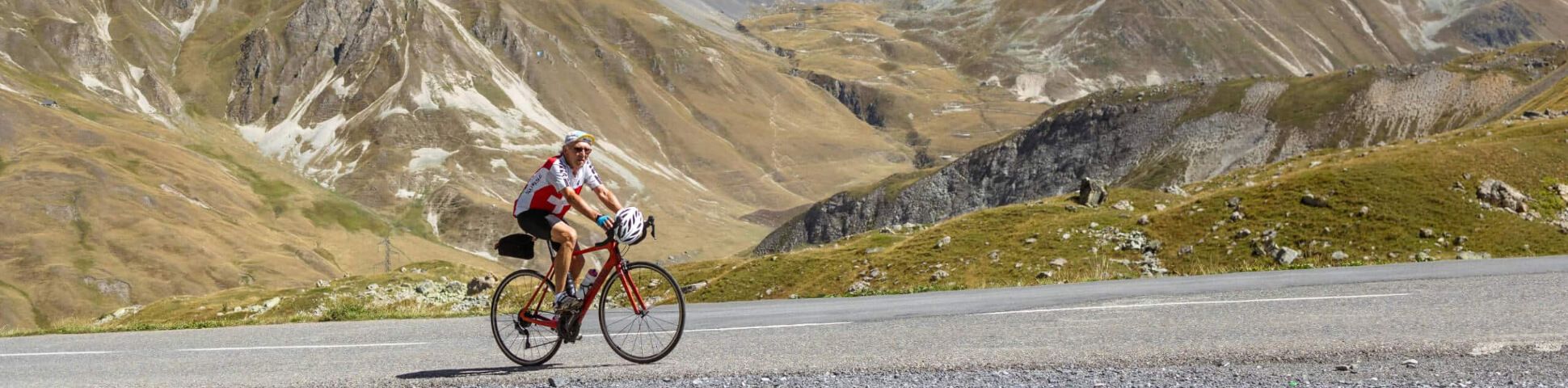
Best Cycling Tours in Italy for the 50+ Traveler
Cycling through Italy is one of the most rewarding ways to experience the country’s timeless beauty.
Alex Todd
Mar 12, 2026
Destinations
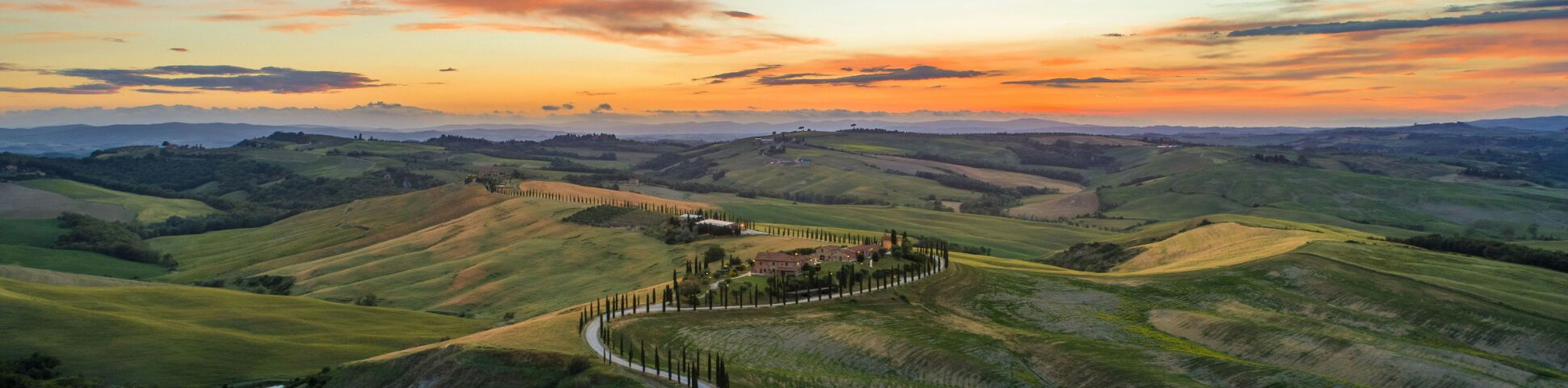
Hiking in Italy: Explore Italy’s Most Breathtaking Trails on Foot in 2026
Italy is a world-class hiking destination, and definitely deserves more buzz than it might get.
Lynn W
Mar 11, 2026
Bucket list adventures
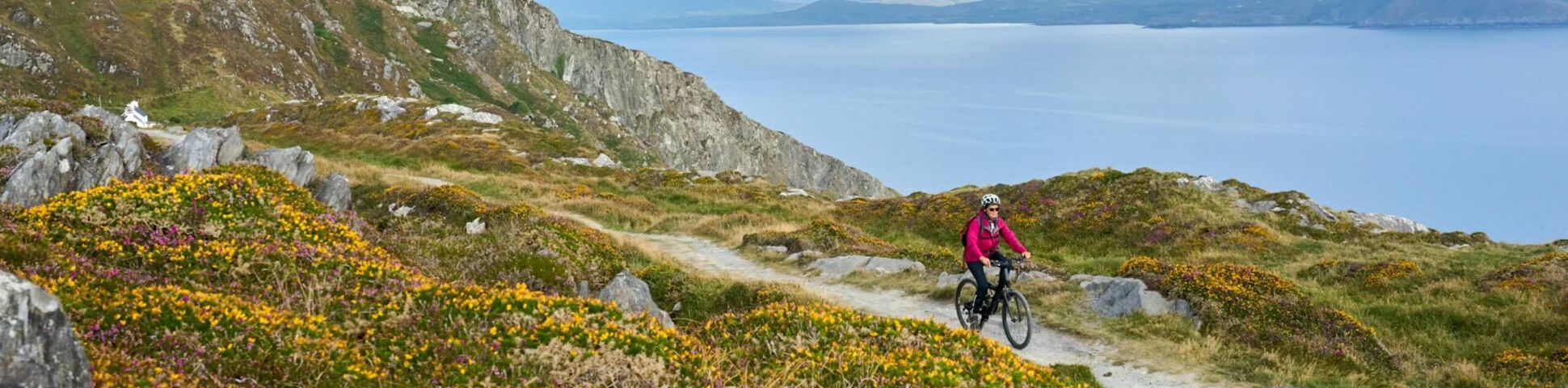
Village to Village Cycling in Europe
One of the Top 10 Bucket List Adventures by 10Adventures
Nadine Gravis
Mar 11, 2026