


Richard Campbell
Feb 5, 2026
Richard is the Founder of 10Adventures, and as a writer shares his experience from 30+ years exploring the world by foot, bike, ski, and boat.
What’s the best way to start a chilly day in the mountains? With a steaming hot cup of coffee. And the best way to end the day? With a hot meal. That’s where a camp stove comes in. As much fun as cooking over a fire is, it’s not nearly as simple and convenient as cooking with a camping stove. It’s also not always allowed. Let’s look at some of the choices for the best backpacking camp stove.
What To Look For In A Backpacking Camp Stove
Along the way, you’ll share many nights with your fellow pilgrims in albergues, which are hostels that provide respite to pilgrims on their journey. Most albergues cost less than 10 euros a night, and some even provide a hot meal for weary travelers. Nearly all towns along the way have restaurants that offer a 10 euro pilgrims menu that includes a four-course meal and a delicious bottle of red wine. The one drawback to albergues is that they have a curfew and an early check out time. If you need a night on the town, or a morning to sleep in, you can rent a hotel in a few of the large cities. If you are feeling rugged you can sneak off the trail and pitch a tent. Be aware that you are not allowed to camp at most places along the way, so do not plan to camp the entire journey.
Type of Stove
There are couple different kinds of camp stoves you can pick from - liquid stoves, canister stoves, and occasionally, pellet or alcohol stoves.
Liquid stoves

Liquid stoves attach to bottles of refillable liquid fuel, such as white gas (AKA camp fuel), via a fuel hose. These will usually burn hotter and more intensely than a canister stove (depending on size, of course), but are more complicated to pack, setup and use. They can take some experience and practice to use properly, and thus may not be the best choice if you’re just starting out. An added benefit is that you can adjust the temperature, which is great if you want to do something besides boiling water. An example would be the MSR Whisperlite.
Canister Stoves
In general, canister stoves are lightweight, super convenient, and good for any skill level. We particularly love them on fast and light trips where we are only making basic meals.
Pellet stoves and wood-burning stoves

These types of stoves are not as common as the other types above, but some backpackers prefer them. Pellet fuel, or fuel tablet, stoves like the Esbit UltraLight, are usually just small metal stoves that burn pellets or tablets of solid fuel; these are good, cheap and offer longer, dense burning.

Wood-burning stoves, such as an offering from Biolite, will let you burn any twigs, tinder or brush you can collect around your campsite. These are more novelty, as their weight make them unsuitable for backpacking.
Size and Weight
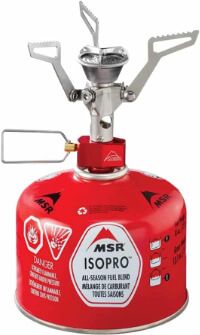
The size and weight are the most important consideration when choosing a backpacking camp stove; usually, the lighter the better for ultralight backpacking. But sometimes it might be worth investing in a larger model, especially if you’re going to be cooking for a multiple people and want to use more substantial pots and pans. Canister stoves, like the MSR Pocket Rocket 2, can be extremely small and weigh as little as 2 ounces, but doesn’t support heavy cookware. A fuel stove might be a bit larger and support more weight, and is very useful when in developing countries where finding canister gas may be challenging. Canister stoves are great for getting hot water fast.
Usage
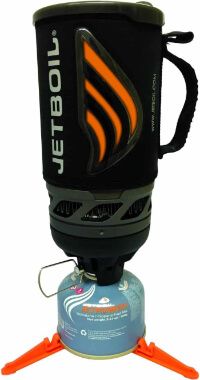
How you expect to use your stove makes a big difference in what stove to choose. If you just want to boil water to make dehydrated meals, then a canister stove, like the Jetboil Flash is a great choice. Going on a trek in the Andes or Himalaya, then a liquid stove, preferably the MSR Whisperlite International, which takes a wide variety of liquid fuel. Finally, if you are going on a short backpack and plan to actually cook, then the MSR Pocket Rocket 2 is a great option.
Our Picks For Backpacking Stoves
Our favorite ultralight canister stove is the MSR Pocket Rocket 2. If you’re looking for the easiest, lightest burner you can find, there isn’t much of a competition: it weighs only 2.6 ounces by itself and comes with a nice hard case for keeping it safe in your pack. Just screw it onto a fuel canister, fold out the arms to place the cookware on, and ignite. An easy, smooth burn, and sheer ultralight convenience – what’s not to love?
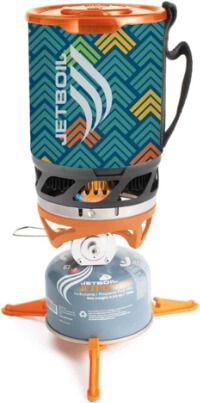
For something a bit bigger, we also like the Jetboil MicroMo. Jetboil makes a variety of ultralight stoves, and they all follow the same idea: a small burner that screws onto any regular fuel canister, with a cooking stand built-in to hold the included cup.
It’s Jetboil’s smallest, lightest cooking stove, weighing 12 ounces for both the burner and cookware.

The stand doubles a shroud to block wind, and Jetboil says it performs reliably down to 20F. Simple and easy to use; just attach the can, ignite, and cook. You can grab a larger model if there’s a group of you; and we’re partial to the Flash Java Press for a good cup of coffee.
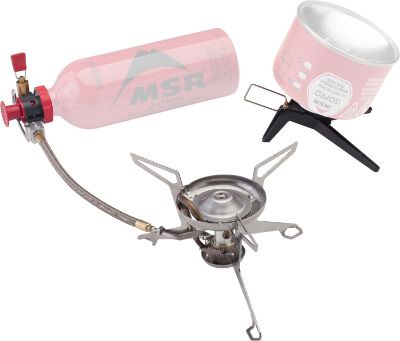
For a liquid stove, the MSR Whisperlite International has been the trusty go-to in the backpacking world since 1982. It’s small, tough and durable, weighing 11.5 ounces and made of stainless steel and brass. The flexible hose attaches to the fuel can and rolls up conveniently when not in use. It gives a nice, even burn, boils quickly in the cold and can easily simmer food. It’s also easy to clean.
Final Thoughts
There’s a lot of other backpacking stove choices out there, but we think these are a good place to start. Choose one that’s appropriately sized for your trip and stay well fed and nourished out on the trail. And maybe learn a few new backcountry recipes while you’re at it.
Richard Campbell
Feb 5, 2026
Richard is the Founder of 10Adventures, and as a writer shares his experience from 30+ years exploring the world by foot, bike, ski, and boat.
Recent stories
Destinations
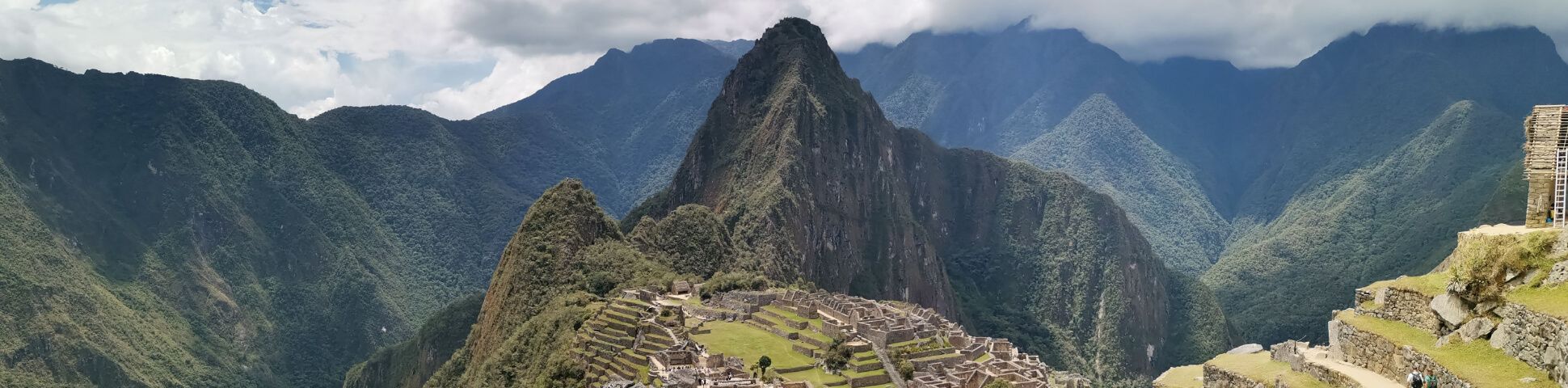
Peru Bike Tours: Best Cycling Routes and Trips for 2026
Peru bike tours are one of the most exciting ways to experience the Andes, Sacred Valley, Cusco, and Machu Picchu region.
Nadine Gravis
Jul 21, 2026
Destinations
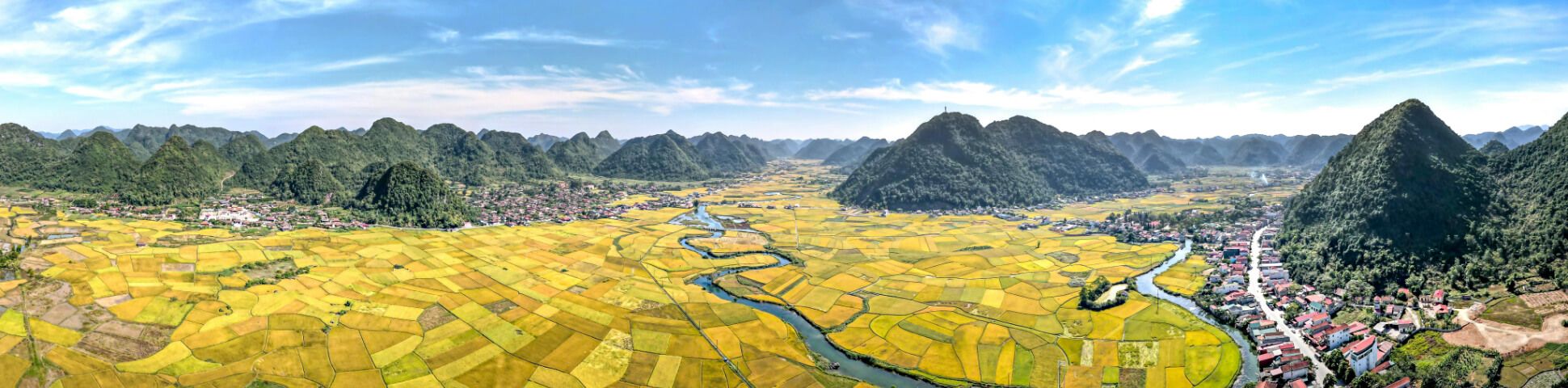
Bike Tours in Vietnam – the Ultimate Cycling Adventure
Imagine pedalling through lush rice paddies, vibrant cities, and along scenic coastal roads with the wind in your hair and the sun on your face.
Alex Todd
Jul 20, 2026

Trip guides
The Ultimate Travel Guide to Victoria
The salty seaboard, lively harbour, and array of hiking and biking routes and trails etched along the shoreline, and surrounding mountainous region makes Victoria the ultimate Canadian island-getaway destination for families, outdoor lovers, and anyone and everyone.
Richard Campbell
Jul 19, 2026