
BlogDestinationsCycling in Iceland: Bike Routes, Weather and Travel Tips for 2026
Cycling in Iceland: Bike Routes, Weather and Travel Tips for 2026
Table of contents

Lynn Campbell
Aug 16, 2026
Lynn is the co-Founder of 10Adventures. She had never slept outside until she was 28 years old, and now is an ardent hiker, backpacker, traveller, and bike tourer!
Cycling in Iceland is unforgettable, but it is not a casual ride through gentle countryside. This is a destination of volcanic deserts, glacier views, exposed roads, remote valleys, strong winds, and sudden weather changes. For riders who want a raw northern adventure, biking in Iceland can be one of the most memorable ways to experience the country. For travellers who want organized cycling support in other destinations, 10Adventures has Biking and Cycling Tours, while travellers focused on Iceland itself can check out Guided Iceland Tours for supported hiking, self-drive, and adventure options.
Why Go Cycling in Iceland?
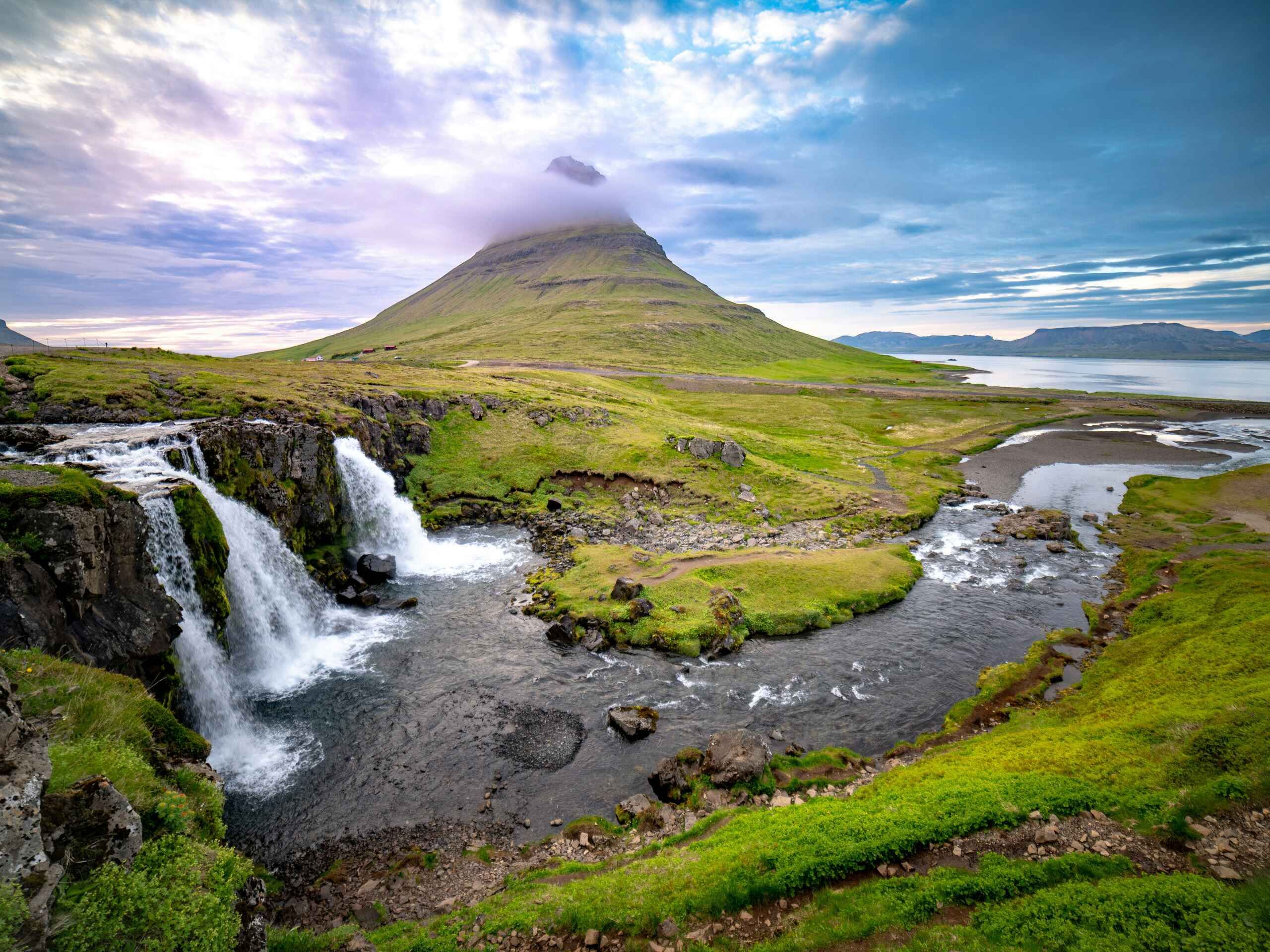
Iceland is a dramatic place to explore by bike because the landscape changes constantly. One day might include lava fields and black-sand coastlines, while the next brings hot springs, waterfalls, fjords, glacial rivers, and open highland views. The reward is space, silence, and scenery that feels much larger than the distance on the map.
Best Time to Cycle in Iceland in 2026
June to August: Best overall window
June, July, and August are the main cycling months in Iceland. The days are long, accommodation and campgrounds are more available, and there is enough daylight to adjust your schedule around wind, rain, and road conditions. This is the best period for Ring Road touring, Westfjords routes, and longer bikepacking plans.
May and September: Quieter but less predictable
May and September can appeal to experienced riders who want fewer visitors, but they come with shorter days, colder weather, and more limited services in some areas. These months are better for shorter rides, flexible itineraries, and riders who are not relying on every remote facility being open.
Winter: Not recommended for most cyclists
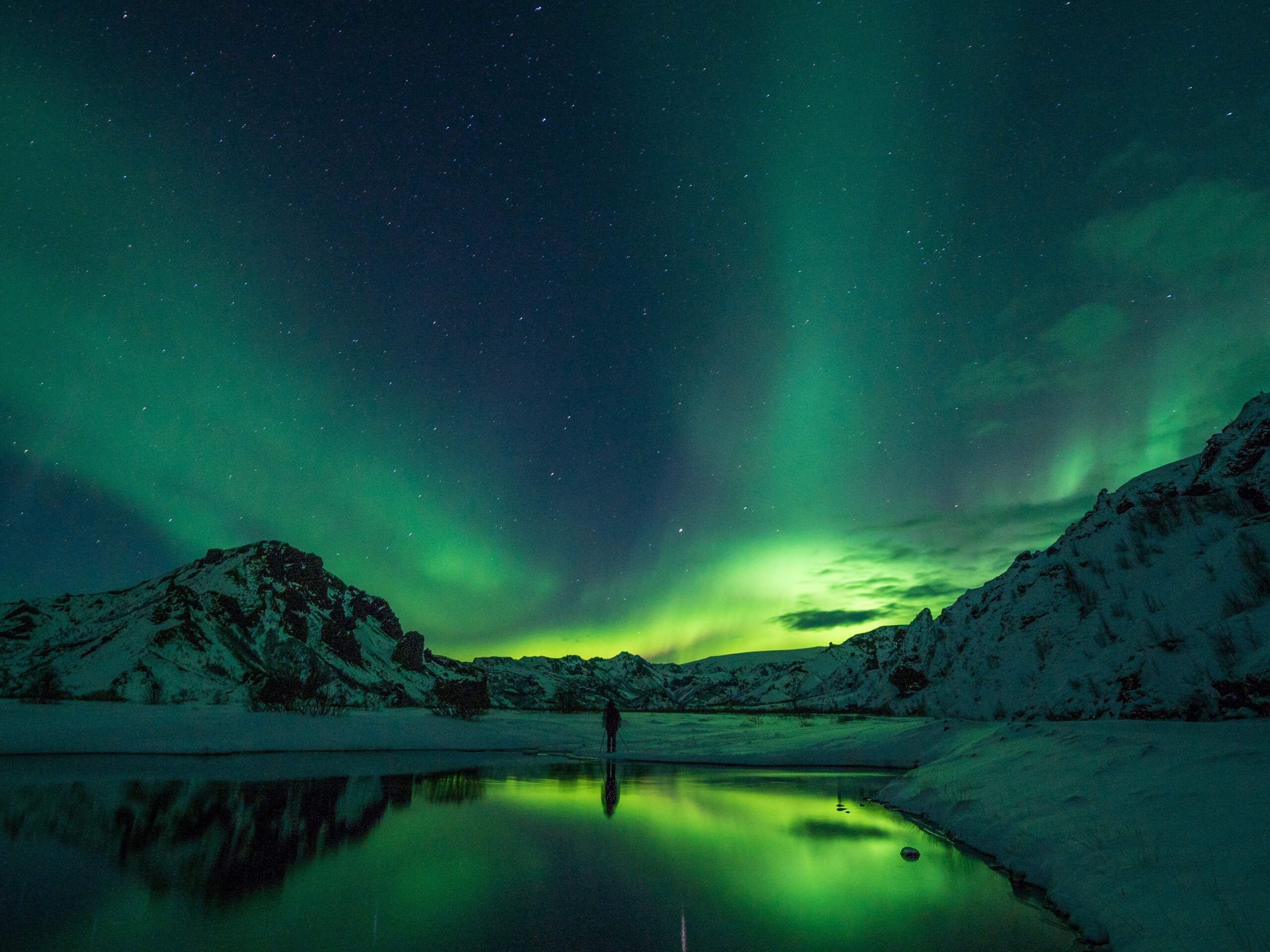
Winter cycling in Iceland is not a practical choice for most travellers. Darkness, ice, storms, limited services, and road closures can make winter riding unsafe or extremely difficult. Travellers visiting in winter are usually better served by a supported Iceland adventure, northern lights trip, or self-drive route rather than a bike tour.
Best Places and Routes for Cycling in Iceland
Ring Road cycling
The Ring Road is the classic long-distance idea for cycling around Iceland. It circles the island and connects many of the country’s best-known landscapes, including waterfalls, glaciers, volcanic plains, the north coast, and fishing villages. It is a major undertaking, so riders need to plan traffic exposure, accommodation, food stops, wind direction, and daily mileage carefully.
Westfjords cycling
The Westfjords are remote, wild, and spectacular, with steep climbs, quiet roads, dramatic coastal views, and a strong sense of isolation. Cycling here can be more rugged than the south coast or Golden Circle, so it suits confident riders who enjoy slower travel and are comfortable with changing conditions.
Golden Circle and South Iceland
South Iceland is one of the easiest parts of the country to understand for first-time visitors. The Golden Circle, waterfalls, black-sand beaches, and glacier views make it a natural area to consider, though cyclists still need to account for traffic, wind, and route safety. Travellers who prefer a supported non-cycling trip in this part of the country can compare Guided Southern Iceland Trips.
Reykjavik and nearby day rides
Reykjavik is the easiest base for shorter rides, bike rentals, and day-trip style cycling. It is not the same as a multi-day Iceland cycling tour, but it can be a good way to add biking to a wider Iceland itinerary. Riders who only have a few days in Iceland may find that day rides near the capital are more practical than committing to a long-distance route.
North Iceland and quieter roads
North Iceland gives cyclists access to quieter roads, volcanic landscapes, coastal towns, and wide-open scenery away from the busiest southern corridor. It can be a good fit for travellers who want a less crowded Iceland experience, although route planning still needs to account for long distances and weather exposure. Travellers comparing supported non-cycling options in the region can also look at Guided Northern Iceland Tours.
Highlands and gravel roads
The Icelandic Highlands are tempting for gravel riders and bikepackers, but they should be approached with caution. Roads can be rough, river crossings may be present, weather can change quickly, and services are limited. This is not the place to improvise with weak gear or vague plans. Riders considering highland routes should check road conditions, seasonal access, shelter options, and whether the route is suitable for their bike and experience level.
Types of Cycling in Iceland
Road cycling and touring
Road cycling in Iceland often means long open stretches, big views, and exposure to wind. The riding can be beautiful, but it is rarely sheltered. Riders should be prepared for weather, traffic on popular corridors, limited shoulders in places, and long distances between services.
Bikepacking in Iceland
Bikepacking Iceland appeals to riders who want independence and adventure. It can work well for prepared cyclists with good gear, repair skills, and flexible schedules. The key is to avoid treating Iceland like an ordinary bikepacking destination. Wind, rain, cold, road closures, and limited resupply points all matter.
Mountain biking in Iceland
Mountain biking in Iceland is best planned around the exact route, terrain, and season. Some rides follow rough tracks, gravel roads, or volcanic landscapes, while more technical trail riding requires careful local research. Riders should check surface type, bike suitability, access rules, support options, and weather before booking or planning a route.
Gravel biking in Iceland
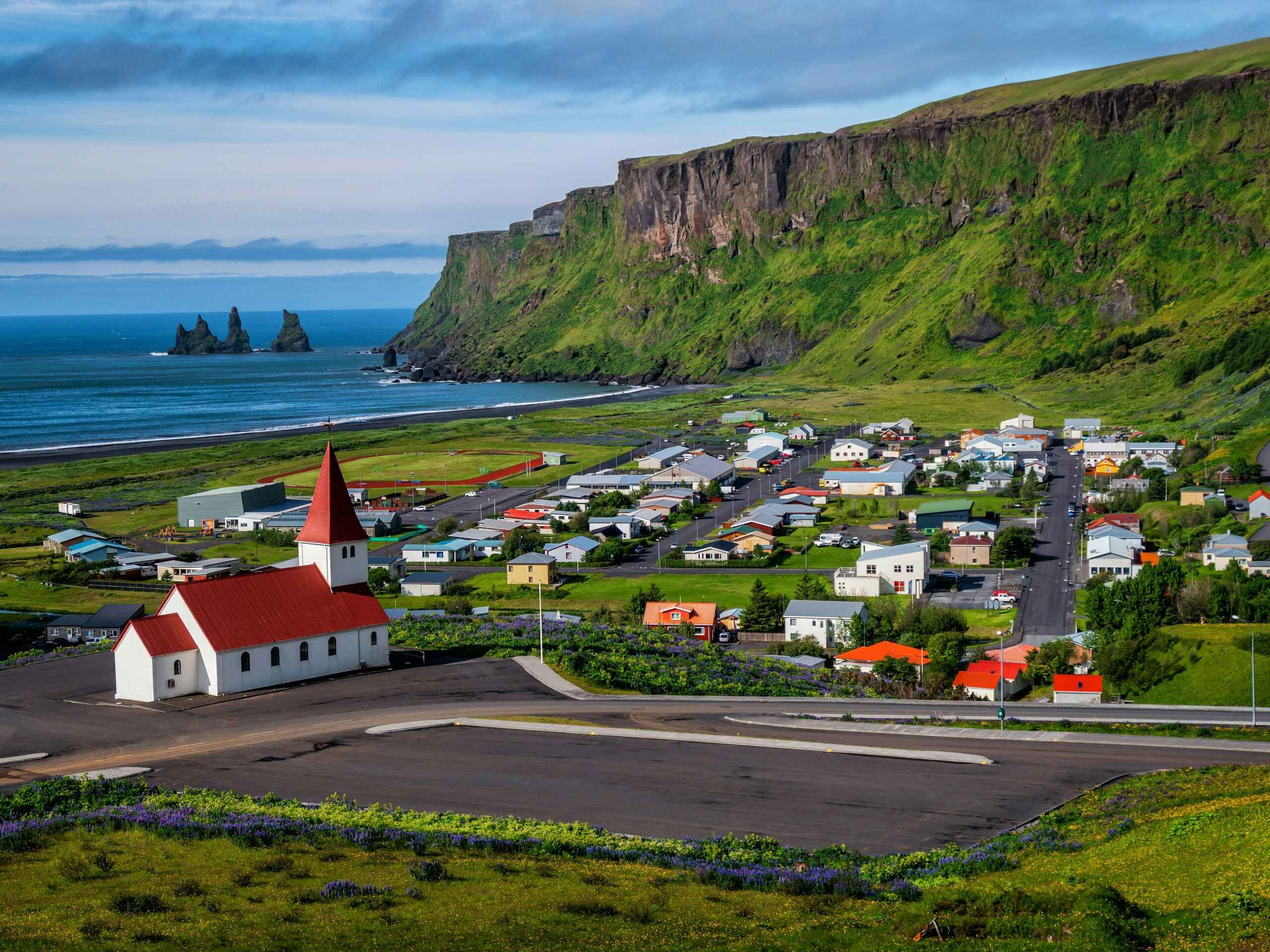
Gravel biking can be one of the most appealing ways to experience Iceland, especially for riders who want quiet roads and remote landscapes. It is also more demanding than many gravel holidays in mainland Europe. Riders who want a supported gravel-focused holiday may also want to compare broader Gravel Biking Tours before deciding whether Iceland’s remoteness is the right fit.
E-biking in Iceland
E-bikes can help with wind and rolling terrain, but they do not remove the need for careful planning. Battery range, charging access, cold weather, luggage weight, and long gaps between services all matter. E-biking is better suited to shorter routes or supported plans than remote, improvised travel.
Cycling Around Iceland vs Supported Iceland Adventure Tours
A supported Iceland adventure can be a better fit for travellers who want Iceland’s landscapes without committing to every kilometre by bike. The Iceland Circular Self-Drive Adventure Tour is one way to see many of the country’s major landscapes with logistics arranged differently from a cycling tour. Travellers interested in drive-based trips can also browse Self-Drive Tours.
Should You Choose Iceland Cycling or Another Europe Bike Trip?
If your priority is a supported cycling holiday with established routes, luggage transfers, accommodation planning, and a wider range of ride styles, compare Europe Bike Trips. Riders who want paved routes, climbing days, and classic cycling terrain can also look at Road Biking Tours, while travellers still deciding on the right country can browse Europe Trips.
What to Pack for Biking in Iceland
Packing for cycling in Iceland should start with weather protection. Even in summer, riders should be ready for wind, rain, cold mornings, and sudden changes. A waterproof jacket, warm layers, gloves, overshoes or waterproof socks, and reliable bags are important.
For longer routes, carry repair tools, spare tubes, a pump, chain links, lights, offline maps, food, and backup power. Riders heading into remote areas should also think about shelter, emergency communication, and whether they can manage delays caused by weather or road conditions.
How Difficult Is Cycling in Iceland?
Cycling in Iceland can be moderate to very hard depending on route choice. Short rides near Reykjavik or selected day routes are manageable for many travellers. Long-distance routes, the Ring Road, the Westfjords, and highland gravel routes are much more demanding.
Final Tips for Cycling in Iceland in 2026
- Do not underestimate the wind. It can shape the entire riding day.
- Plan accommodation or camping stops before committing to daily distances.
- Check road conditions, seasonal access, and weather forecasts regularly.
- Carry more food and warm clothing than you think you need.
- Build flexibility into the itinerary, especially outside peak summer.
- Choose Iceland for scenery, space, and adventure, not for easy cycling logistics.
FAQ About Cycling in Iceland
Is Iceland good for cycling?
Yes, Iceland can be excellent for cycling if you are prepared for exposed roads, changing weather, and remote sections. It is best for riders who want dramatic scenery and adventure rather than easy, predictable riding.
What is the best time to cycle in Iceland?
The best time to cycle in Iceland is usually June to early September. July and August are the safest choices for long-distance rides because daylight is long and services are more widely available.
Can you cycle around Iceland?
Yes! Experienced riders can cycle around Iceland, usually by following the Ring Road or a variation of it. It requires careful planning because of wind, traffic exposure, services, weather, and the overall distance.
Are there Iceland bike tours?
Some travellers do book Iceland cycling holidays, but options are more limited than in mainland Europe. Check the exact route, support level, bike type, season, and daily distances before booking. Travellers who want a wider choice of organized cycling holidays may find more options across Europe.
Is mountain biking popular in Iceland?
Mountain biking in Iceland is available in selected areas, but it should be planned carefully. Conditions, terrain, access, and weather vary, so riders should confirm route details rather than assuming every Iceland bike trip is designed for technical mountain biking.
What is the easiest way to experience Iceland if cycling feels too difficult?
If a full bike trip feels too demanding, consider a supported active itinerary instead. Iceland tours include hiking, self-drive, northern lights, and other adventure options that still focus on the country’s landscapes without requiring a full cycling route.
Lynn Campbell
Aug 16, 2026
Lynn is the co-Founder of 10Adventures. She had never slept outside until she was 28 years old, and now is an ardent hiker, backpacker, traveller, and bike tourer!
Recent stories
Destinations
Tour du Mont Blanc Map: Route, Variations and Key Stops
The Tour du Mont Blanc is a long-distance hiking circuit around the Mont Blanc massif, passing through France, Italy and Switzerland.
Lynn Campbell
Sep 28, 2026
Destinations
Trekking in Pakistan: Best Hikes and Walking Routes
Walking in northern Pakistan means high-altitude trekking through glacier valleys, alpine meadows, high passes, and remote settlements beneath some of the world’s highest mountains.
Richard Campbell
Sep 28, 2026
Destinations
Top Walking and Cycling Tours with Luggage Transfer
A point-to-point walking or cycling trip is easier to manage when you only carry what you need during the day.
Nadine Gravis
Sep 22, 2026