
BlogDestinationsIndia Cycling Tours: Best Places and Trips for 2027
India Cycling Tours: Best Places and Trips for 2027
Table of contents

Nadine Gravis
Aug 14, 2026
Whether exploring Algonquin Provincial Park by canoe, or hiking Torres del Paine, Nadine loves spending time outdoors and sharing about her experiences.
India cycling tours reveal a side of the country that is easy to miss from a train, car, or sightseeing bus. A bike trip can pass through Rajasthan's villages and fortress towns, climb into the green hills of Kerala, follow roads between tea and spice plantations, or take experienced riders toward the high-altitude landscapes of Ladakh. The scenery changes quickly, but so do the road surfaces, weather, elevation, and level of support required.
Travellers interested in India bike tours can begin with Guided India Adventure Tours, which includes cycling in the Western Ghats. There are also the Guided Asia Bike Trips. They provide a wider view of cycling across the continent, while Biking and Cycling Tours brings together the broader 10Adventures cycling collection.
Why Go Cycling in India?
Cycling in India is less about one famous national route and more about choosing the right region. Rajasthan offers dry landscapes, historic cities, forts, temples, wildlife areas, and rolling country roads. Kerala and the Western Ghats offer a completely different experience, with forests, farmland, tea country, villages, backwaters, and the coast. In the north, Ladakh and other Himalayan areas bring altitude, long climbs, remote roads, and expedition-style riding. Talk about distinct options!
A bicycle also creates opportunities for slower cultural travel. Riders pass farms, village markets, roadside tea stalls, religious sites, and everyday scenes that can disappear when travelling quickly between major attractions. The most rewarding trips leave time for local food, heritage, wildlife, and rest rather than treating every day as a race.
The variety is also the main challenge. A moderate distance can feel much harder in heat, humidity, traffic, rough surfaces, or altitude. The best itinerary matches the region, season, support level, and bike type to the rider.
Best Time to Go Cycling in India
India is too large for one cycling season to apply everywhere. Rajasthan, Kerala, the Western Ghats, Goa, and the high Himalayas all have different weather patterns, so the route should determine the travel dates.
October to March: Rajasthan and the Northern Plains
October through March is generally the most comfortable window for cycling in Rajasthan and much of the northern plains. Daytime temperatures are usually more manageable than during the intense pre-monsoon heat, making this period better for longer rides and days that combine cycling with forts, temples, markets, and wildlife areas.
November to April: Kerala and the Western Ghats
The cooler and drier part of the year is normally best for cycling in Kerala and the Western Ghats. Routes can still be warm and humid, but conditions are generally more suitable for riding through plantations, forests, villages, and backwater regions than during the main monsoon. The exact departure window should always be checked against the selected trip.
Summer (June-September): Ladakh and High-Altitude Himalayan Routes
High-altitude cycling in Ladakh and on routes such as Manali to Leh has a much shorter season. These rides are usually planned for the warmer summer months, when mountain roads are more likely to be open. Conditions can still change quickly, and altitude, cold mornings, strong sun, wind, and remote logistics make careful preparation essential.
When Not to Go Cycling in India
Try not to be swayed by the low prices offered during certain times of year! Rajasthan can be extremely hot before the monsoon, while heavy rain can disrupt southern routes. High Himalayan roads may be closed outside their short season. Check the itinerary, elevation, road conditions, and expected weather before booking.
Best Places for Cycling in India
Cycling in Rajasthan
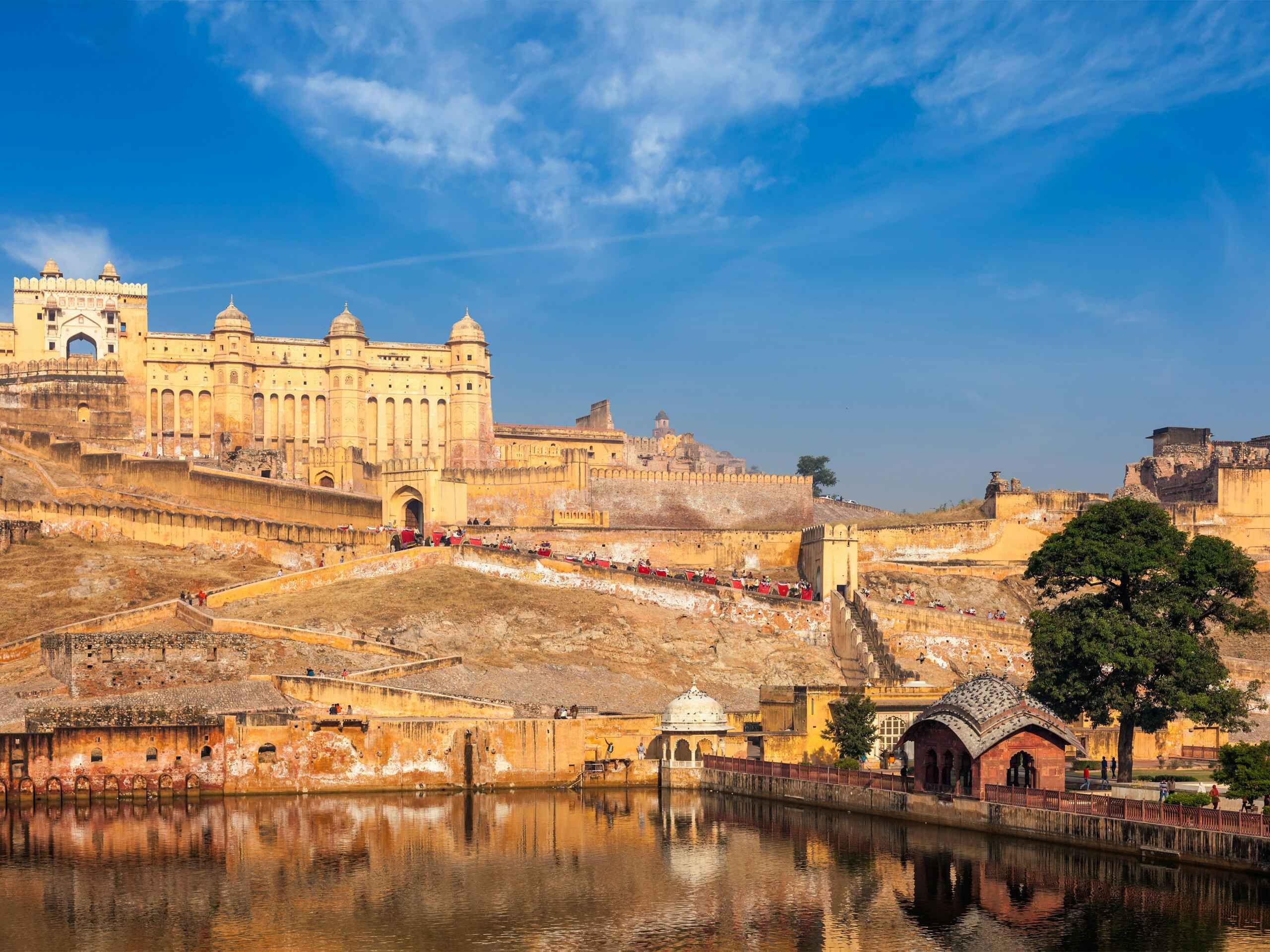
Rajasthan is one of the best places for cycling in India for travellers who want culture, road riding, and sightseeing in one holiday. Routes can connect Udaipur, the Aravalli hills, Kumbhalgarh, Ranakpur, Jodhpur, Jaipur, wildlife areas, and Agra. Between landmarks, riders pass farmland, villages, back roads, and historic buildings. October to March is usually most comfortable. Guided Northern India Trips provide wider regional context, though riders should expect varied surfaces and occasional transfers rather than continuous traffic-free cycle paths.
Guided Cycling in Kerala and the Western Ghats
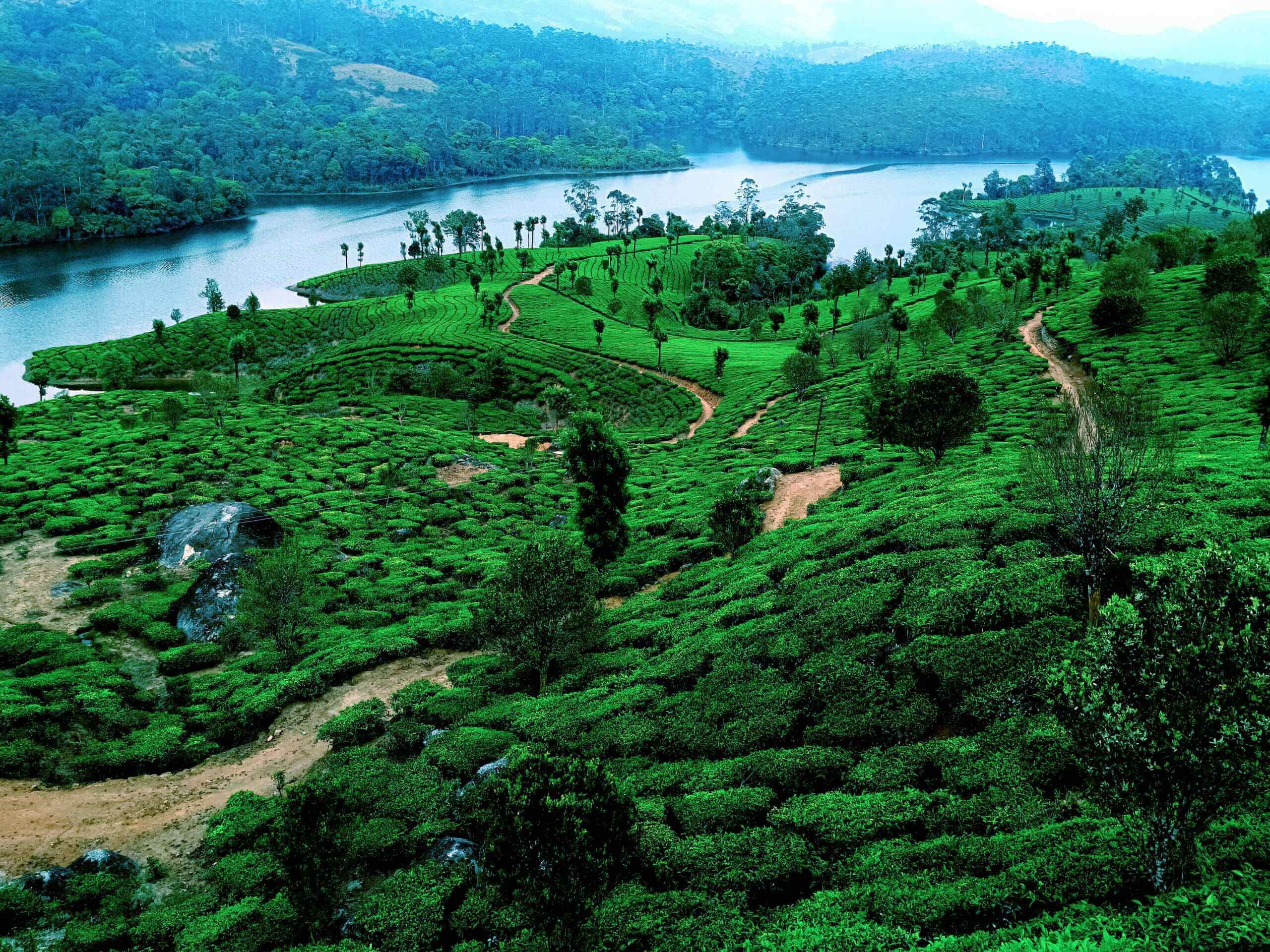
Kerala and the Western Ghats offer the strongest contrast to Rajasthan. Cycling here is greener, more humid, and more varied underfoot. Encounter mountain scenery, forests, waterfalls, tea and spice-growing areas, villages, wildlife country, backwaters, and the Arabian Sea coast as you ride. The riding often combines rolling roads and mixed surfaces, so the experience feels as much like a journey through local landscapes as a conventional bike holiday.
The Guided Cycling in the Western Ghats Tour is a 15-day mountain-bike trip through Kerala with bike rental, luggage transport, accommodation, and visits around Periyar, local villages, the backwaters, and Cochin. It is rated moderate and currently runs January to April and October to December.
Guided Southern India Trips shares more regional options, while the Guided Western Ghats Trekking Tour helps travellers compare cycling with exploring the same landscapes on foot.
Rajasthan
Ladakh and the Manali to Leh Route
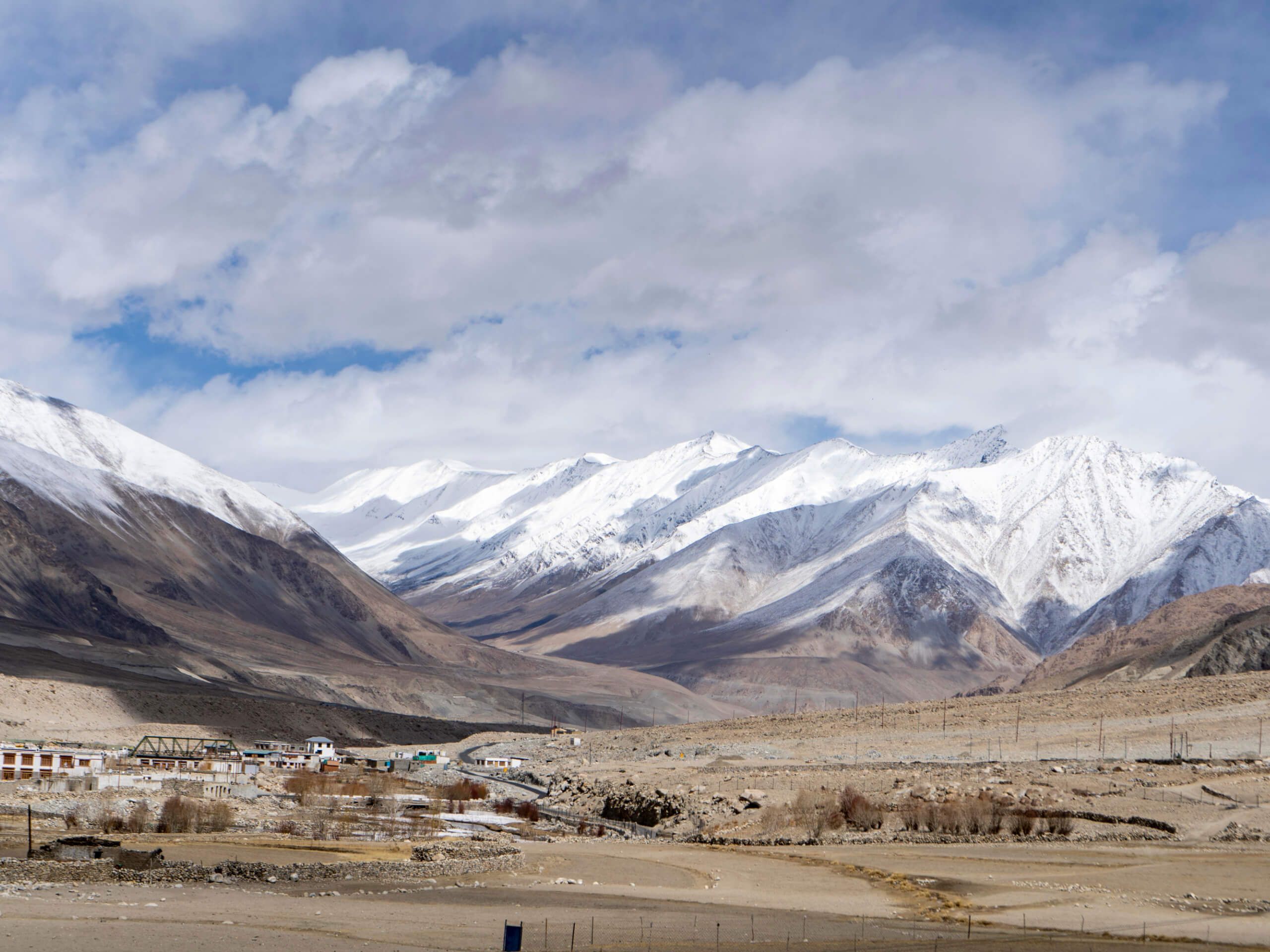
Ladakh is a high-altitude cycling destination with long climbs, mountain passes, dry valleys, monasteries, and remote settlements. The Manali to Leh route is an expedition rather than a casual cycling holiday. Guided Indian Himalayas Trips grant regional context. For another Himalayan perspective, Cycling in Nepal covers bike tours and routes in neighbouring Nepal. Cyclists need strong fitness, gradual acclimatization, suitable support, and plans for weather, food, water, road conditions, and mechanical problems. The season depends on summer road openings and local conditions.
Sikkim and Darjeeling
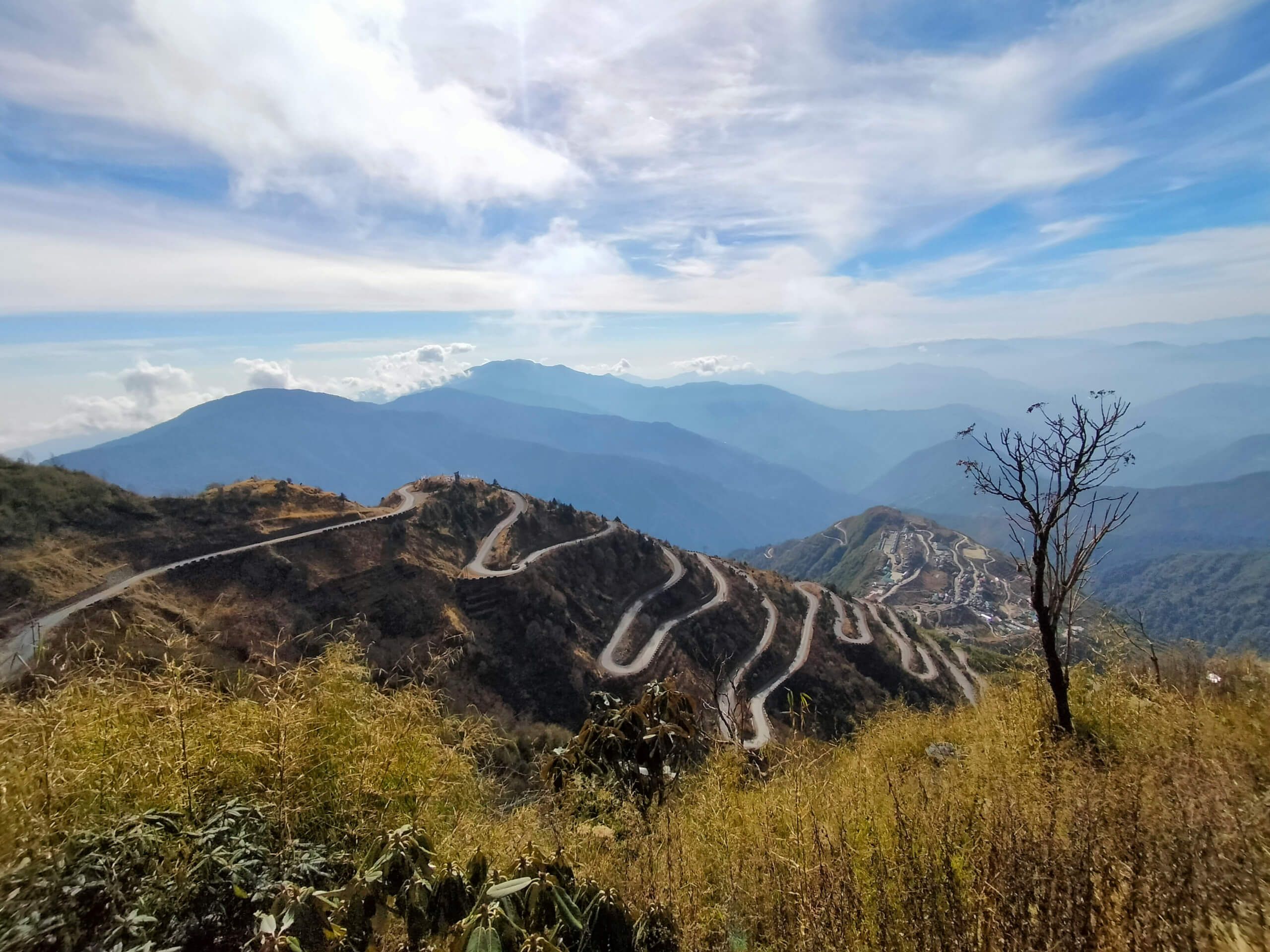
Sikkim and Darjeeling appeal to riders looking for Himalayan views, tea country, monasteries, and smaller mountain communities. Daily distances can be deceptive because of sustained climbing, changing surfaces, weather, and traffic. Spring and autumn are usually the most practical planning periods, while monsoon rain can affect visibility, road quality, and landslide risk. Shorter supported stages are often more enjoyable than ambitious daily distances.
Sikkim
Goa, Karnataka, and Southern Coastal Routes
Goa, Karnataka, and southern coastal routes work well for travellers who prefer shorter rides, village roads, beaches, historic towns, farmland, and lower elevations. These areas can suit relaxed touring, but humidity, traffic near cities, and the monsoon still matter. Early starts and carefully selected roads improve comfort. This style of cycling combines well with heritage stops, food, wildlife, and time in coastal towns.
Types of Cycling in India
Cultural Road Cycling
Cultural road cycling is one of India's strongest options. Rajasthan is the clearest example, where moderate rides can link forts, temples, villages, wildlife areas, and historic cities. Roads are not always quiet or perfectly surfaced, but a supported itinerary can select better riding sections and use transfers around busy or less enjoyable stretches.
Mountain Biking in India
Mountain biking ranges from plantation and forest roads in the Western Ghats to serious high-altitude riding in Ladakh. Check whether an itinerary uses paved roads, dirt roads, jeep tracks, singletrack, or a mixture. Mountain Bike Tours shows how difficulty and support vary across multi-day trips.
Gravel and Mixed-Surface Cycling
Many India bike trips are naturally mixed-surface journeys rather than pure gravel tours. A day may combine paved roads, rough lanes, village tracks, dirt sections, and short transfers. A robust touring or mountain bike is often more suitable than a narrow-tired road bike, but the exact equipment and tire choice should be confirmed before travelling.
Kerala
Why Book a Guided Cycling Tour in India?
Guided support is valuable because road conditions, traffic, weather, route finding, transfers, and mechanical problems can all affect a cycling day. A local team can select suitable riding sections, arrange transport around busy roads, move luggage, manage accommodation, and adjust the plan when heat, fatigue, rain, or a bike problem changes the schedule.
Support matters most on multi-day journeys. A Western Ghats trip can combine mountain roads, villages, protected landscapes, backwaters, and coastal travel, while Himalayan riding adds altitude and remote logistics. Independent cycling is possible in some areas, but it requires more research, route flexibility, and day-to-day problem-solving than a typical self-guided holiday on established European cycle routes.
What to Know Before Cycling in India
Traffic is one of the biggest differences between cycling in India and riding on established cycle paths. A good itinerary avoids the busiest roads where possible, uses transfers when necessary, and starts early for cooler temperatures and quieter conditions. Riders should remain alert to vehicles, pedestrians, animals, roadworks, and sudden changes in the surface.
Distance alone does not explain difficulty. Forty kilometres in Rajasthan can feel very different from the same distance in the Western Ghats or Ladakh. Heat, humidity, climbing, altitude, surface quality, sightseeing stops, and consecutive riding days all affect effort. Read the daily itinerary rather than relying only on an overall difficulty label.
Before booking, confirm the bike type and size, helmet, support vehicle, luggage transfers, spare parts, meals, airport transfers, accommodation, and included non-cycling activities. Hydration and recovery also matter: carry water, use sun protection, eat regularly, and treat acclimatization as an essential part of any high-altitude route.
Ladakh
What to Pack for a Cycling Trip in India
Pack for the region rather than for India as a whole. For Rajasthan and southern routes, bring breathable cycling clothing, padded shorts, gloves, sunglasses, strong sun protection, a refillable bottle or hydration system, and a light rain shell. Quick-drying layers and insect repellent are useful in Kerala and around forest or backwater areas. Himalayan riders also need warm, windproof and waterproof layers, full-finger gloves, and clothing that works across large temperature changes.
If the bike and helmet are provided, confirm the model, sizing, pedal system, and repair support. Personal medication, basic first-aid items, and familiar accessories such as pedals or a saddle can improve comfort, provided the operator confirms compatibility.
Final Tips for Planning India Cycling Tours
It’s best to choose the region before considering the trip length! To sum the regions up:
- Rajasthan is strongest for history and road cycling.
- Kerala and the Western Ghats suit riders seeking green landscapes and tropical scenery.
- Ladakh is for experienced cyclists seeking altitude and a challenge.
After you pick your region, consider what you want away from the bike too, as shorter riding days leave more time for food, heritage, wildlife, and recovery.
Travellers considering a walking-based adventure can browse Guided India Hiking Trips. The India Travel Guide also provides practical guidance on regions, seasons, transport, and trip planning.
Frequently Asked Questions About India Cycling Tours
Is India good for cycling tours?
Yes! India offers cultural road cycling, tropical mountain riding, coastal routes, and high-altitude expeditions. The experience depends heavily on the region, season, daily distance, and support level, so choosing the right itinerary is more important than choosing India in general.
What is the best region for cycling in India?
Rajasthan is a strong choice for cultural road cycling, Kerala and the Western Ghats for green scenery and mixed surfaces, and Ladakh for experienced high-altitude cyclists. Goa and southern coastal routes suit travellers who want shorter rides combined with beaches, heritage, and relaxed sightseeing.
When is the best time to cycle in India?
October to March generally suits Rajasthan and many northern lowland routes. The Western Ghats tour runs January to April and October to December, while high-altitude Himalayan routes depend on summer road openings and local conditions.
How difficult are cycling tours in India?
Difficulty ranges from moderate cultural and tropical cycling to demanding Himalayan expeditions. Assess daily climbing, surfaces, heat, humidity, altitude, and consecutive riding days rather than distance alone. A supported moderate itinerary may suit a reasonably fit beginner, but high-altitude routes require stronger fitness and experience.
Can beginners go cycling in India?
A reasonably fit beginner can consider a supported moderate itinerary with manageable daily distances and vehicle support. New cyclists should avoid high-altitude expeditions and technical terrain until they have more experience, and should ask how much of each day is spent riding rather than transferring or sightseeing.
Nadine Gravis
Aug 14, 2026
Whether exploring Algonquin Provincial Park by canoe, or hiking Torres del Paine, Nadine loves spending time outdoors and sharing about her experiences.
Recent stories
Destinations
Tour du Mont Blanc Map: Route, Variations and Key Stops
The Tour du Mont Blanc is a long-distance hiking circuit around the Mont Blanc massif, passing through France, Italy and Switzerland.
Lynn Campbell
Sep 28, 2026
Destinations
Trekking in Pakistan: Best Hikes and Walking Routes
Walking in northern Pakistan means high-altitude trekking through glacier valleys, alpine meadows, high passes, and remote settlements beneath some of the world’s highest mountains.
Richard Campbell
Sep 28, 2026
Destinations
Top Walking and Cycling Tours with Luggage Transfer
A point-to-point walking or cycling trip is easier to manage when you only carry what you need during the day.
Nadine Gravis
Sep 22, 2026