
BlogDestinationsLe Puy Camino (Via Podiensis): Complete Route and Tour Guide for 2026
Le Puy Camino (Via Podiensis): Complete Route and Tour Guide for 2026
Table of contents

Alex Todd
May 14, 2026
Ontario-based Alex combines his love of adventure and history, and has worked as a writer and editor at 10Adventures. He has spent months exploring New Zealand, and loves exploring Europe, from the Swiss Alps to Greek beaches.
Considering an active holiday in France? And no, we aren’t talking about the famed Tour du Mont Blanc, but the Le Puy Camino, one of the great pilgrimage walks in the country, where you’ll trace the historic Via Podiensis across the landscapes of southwest France. Beginning in Le Puy-en-Velay and travelling toward Saint-Jean-Pied-de-Port at the foot of the Pyrenees, this route combines long-distance walking, medieval villages, Romanesque churches, rural hospitality, and the steady rhythm of a classic Camino journey.
Whether you’re looking to complete the entire 39-day trek or explore smaller sections, walking the Le Puy Camino promises a cultured, storied escape from the noise of everyday life. If you want to find your ideal adventure, we recommend sifting through our list of self-guided walking tours of Le Puy Camino.
What Is the Le Puy Camino?
Some of you may have read "pilgrimage in France” and thought: “yup, that is all the information I need to book this trip,” which we respect, but we have several more fact tidbits for those who need further convincing!
The Le Puy Camino is the French Camino route also known as the Via Podiensis. It is part of the wider Camino de Santiago network and one of the main Camino de Santiago France route options, especially for travellers who want a quieter, more rural walking experience before reaching the Pyrenees.
Historically, Le Puy-en-Velay has been an important pilgrimage departure point in France. For centuries, pilgrims have set out from this volcanic hilltop town and followed the Via Podiensis west toward the Pyrenees, where the route connects naturally with the Spanish Camino routes beyond Saint-Jean-Pied-de-Port. Today, the Le Puy Camino keeps that pilgrimage tradition alive while also offering a deeply cultural walking holiday through rural France.
Unlike a point-to-point mountain trek where the goal is mostly scenery, the Le Puy Camino is about the journey as a whole. Walkers pass through small towns and historic villages, stay in local accommodations, eat regional food, and follow a route with centuries of pilgrimage tradition. It can be walked in one long journey or broken into shorter stages depending on time, fitness, and travel plans.
If you’re feeling inspired and want to continue beyond Saint-Jean-Pied-de-Port into Spain, you can check out our entire list of Camino de Santiago tours, where you’ll also find options for walking tours and cycling adventures.
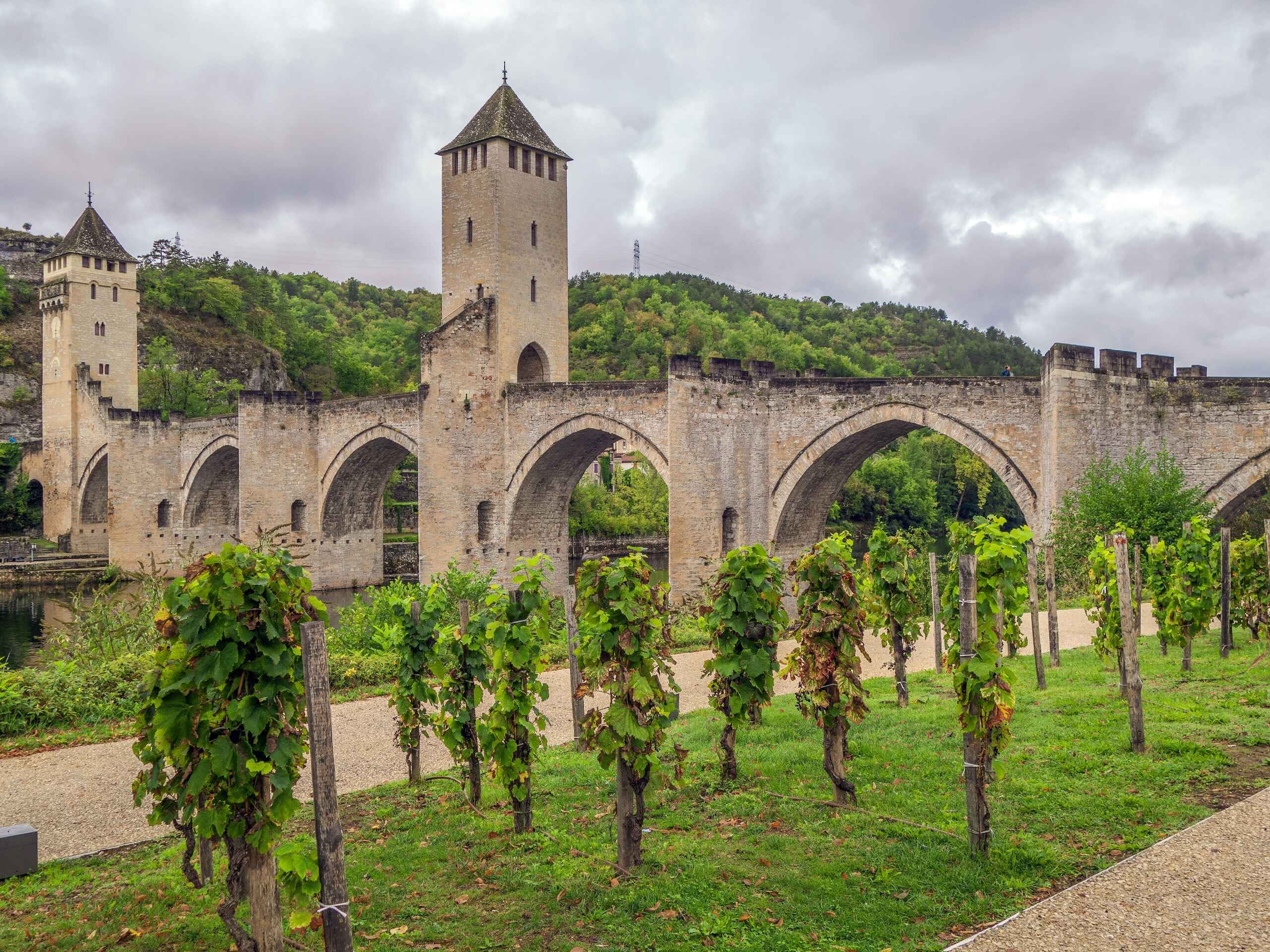
Pont Valentré bridge in Cahors
Le Puy Camino Route Overview
The classic Le Puy Camino route starts in Le Puy-en-Velay and finishes in Saint-Jean-Pied-de-Port, where many pilgrims continue onto the Camino Frances in Spain. The full route is roughly 750 km, with our walking itinerary designed as a 39-day self-guided journey.
For planning purposes, the Le Puy Camino can be divided into six practical walking stages. If you’re short on time but still want to revel in the French Camino experience, you can easily choose to walk one or two different stages. Curious which stage to book if you can’t do the full route? Most people rave about Conques to Cahors or the final approach into Saint-Jean-Pied-de-Port.
A good starting section for travellers who want to begin at Le Puy-en-Velay and experience the early landscapes of the route.
A strong option for walkers interested in the Aubrac landscapes and the approach to Conques.
A popular stage linking historic towns, river valleys, limestone landscapes, and classic rural Camino scenery.
A later section that suits travellers who want a quieter pilgrimage through southwest France.
A stage through the Gers and Armagnac countryside, with small towns and rolling rural landscapes.
The final French section toward Saint-Jean-Pied-de-Port and the foothills of the Pyrenees.
What Makes the Le Puy Camino Special?
The Le Puy Camino feels different from many long-distance hikes because it is both a walking route and a cultural journey. The scenery changes gradually as you move west, but the real appeal comes from the combination of landscapes, villages, churches, meals, accommodations, and daily Camino rhythm.
The route is also flexible. You can walk the full Camino section over several weeks, choose one self-guided stage, combine multiple stages, or cycle the route if you prefer to cover more ground in less time. That flexibility makes the Le Puy Camino a strong choice for both committed pilgrims and active travellers who want a structured walking holiday in France.
On the 10Adventures podcast, our CEO and founder, Richard Campbell, discusses Le Puy Camino with Jennifer Andrewes, who shares how walking across France transformed her mindset after a Parkinson’s diagnosis. The podcast grants a deeper look into how powerful a journey like the Le Puy Camino can be for the mind, soul, and body!
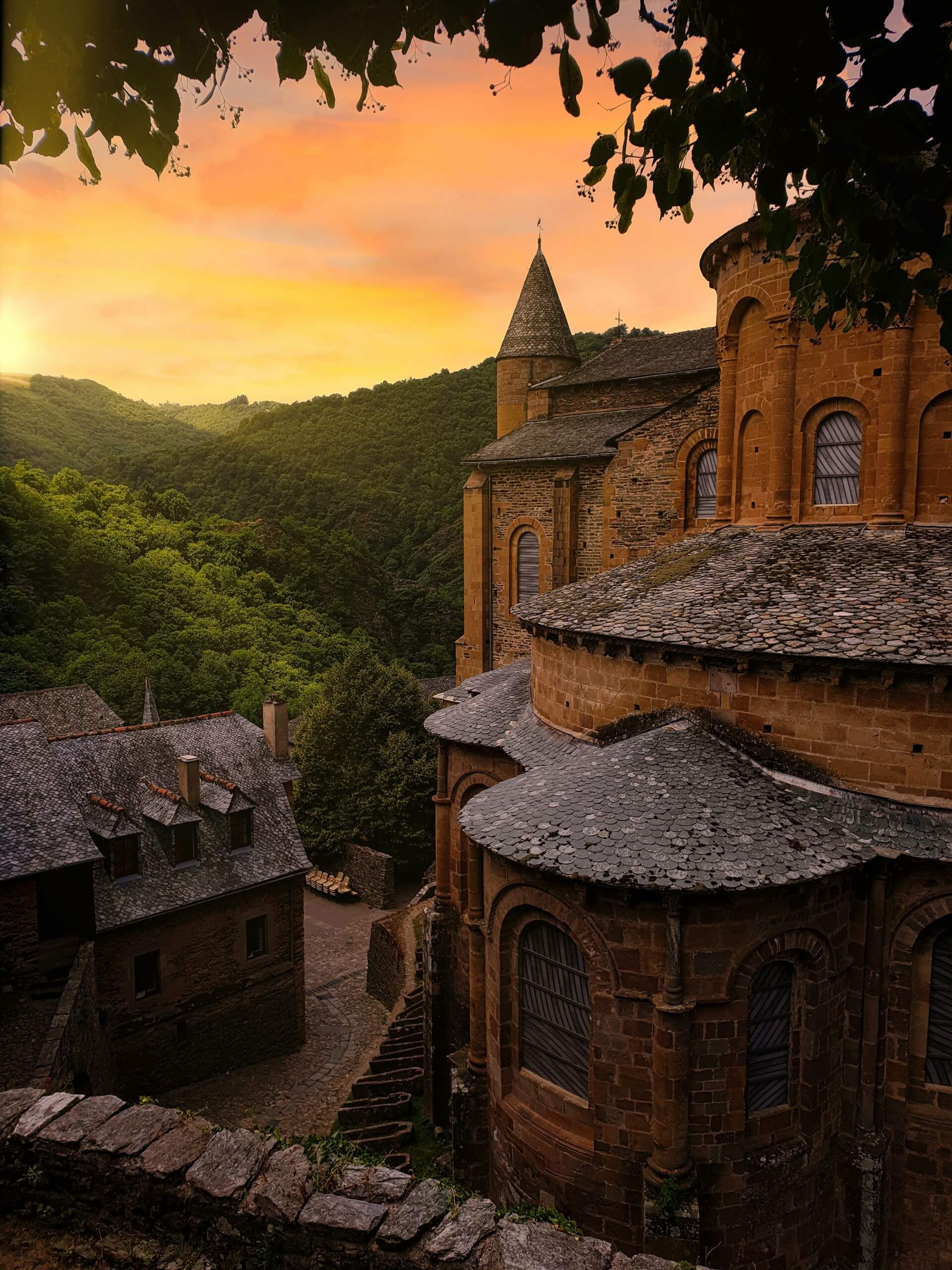
Abbey Church of Sainte-Foy in Conques
How Difficult Is the Le Puy Camino?
The Le Puy Camino isn’t technical, but it is still physically demanding. The challenge comes from repeated walking days, rolling terrain, changing weather, and the cumulative fatigue of a long-distance route. Some stages include steady climbs and descents, while others feel gentler but still require stamina. Overall, your limbs may be sore, but nothing beats that accomplished feeling at the end of a long walking day, where a rewarding meal and a cozy bed await.
Most fit walkers with previous multi-day hiking experience can enjoy a well-planned Le Puy Camino itinerary. If you are new to long-distance walking, a shorter stage may be the best starting point. A self-guided tour can also help because accommodation, luggage transfers, and route notes are arranged in advance.
When Is the Best Time to Walk the Le Puy Camino?
The main Le Puy Camino travel season is generally spring through autumn, with many 10Adventures Le Puy Camino tours operating from April to October. Spring brings green landscapes and cooler walking temperatures, summer offers long days but can be brutally hot and busy, and autumn is often appealing for milder weather, harvest-season atmosphere, and quieter trails.
May, June, September, and early October are often practical months for walkers who want a balance of pleasant conditions and manageable crowds. If you’re only free in July and August, we recommend booking far in advance as accommodation availability might be tight. Those bothered by high temperatures may also want to avoid walking during the summer months, especially with the occasional heat wave striking Europe the last few years. There’s nothing worse than long walking days in unbearably warm weather!
However, another important late-season planning note—for those who prefer walking in milder temperatures—is that many small businesses and accommodations along the route start to reduce services or close in early to mid-October. If you are considering an October trip, confirm accommodation, meals, luggage transfers, and local services before finalizing your dates.
Whatever month you choose, check current weather and local trail conditions before setting out each day.
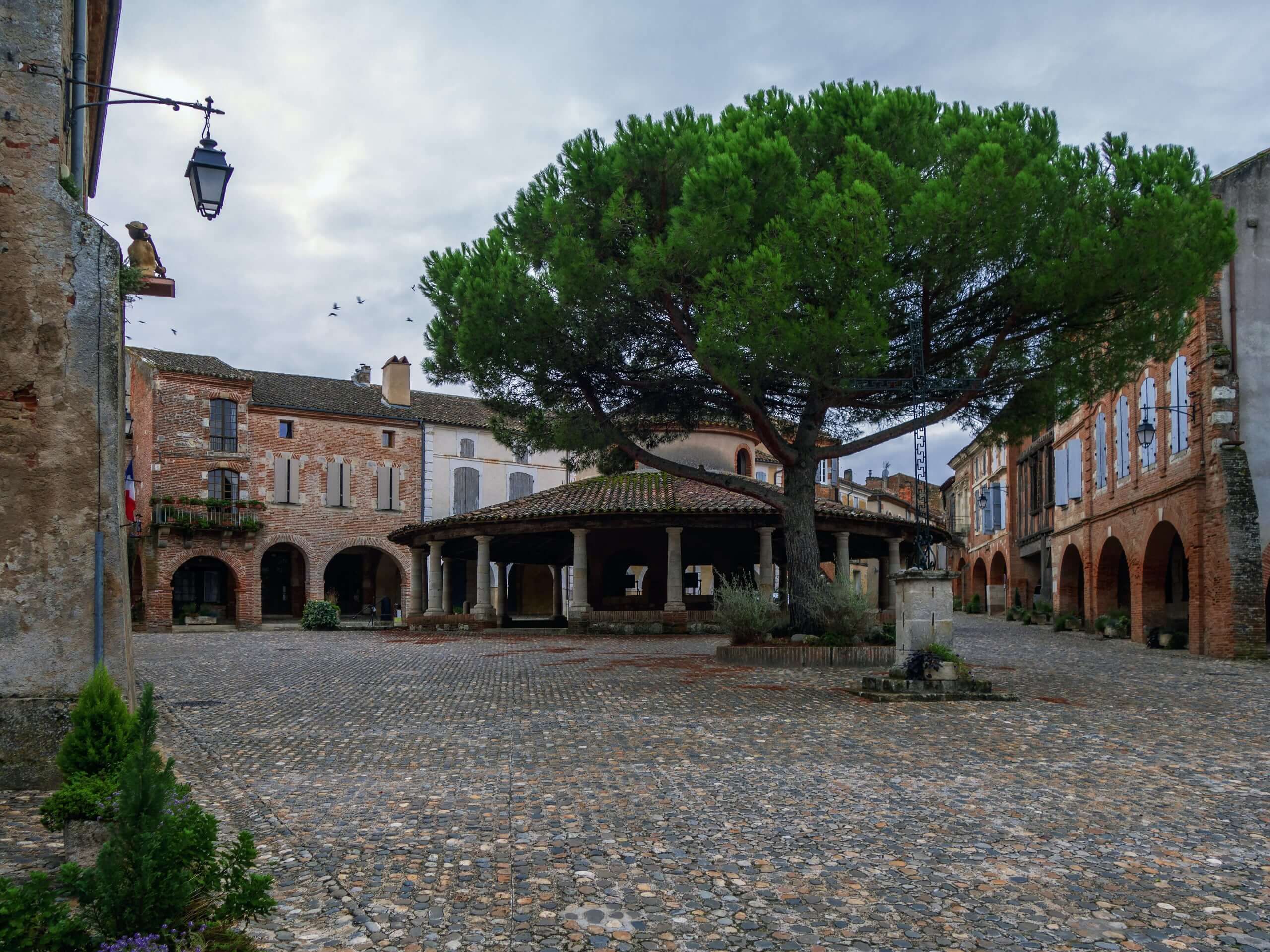
Village Square on the Le Puy Camino
Where Do You Stay on the Le Puy Camino?
Accommodation on the Le Puy Camino can include small hotels, guesthouses, B&Bs, pilgrim-style lodging, and local inns depending on the section and itinerary. Carrying yourself via two feet may be the draw to the Le Puy Camino, but the smaller communities waiting for you at the end of each day enrapture with their undeniable charm. You may think of Paris or other popular cities when you dream of France, but the rural towns sprinkled along the countryside offer a cozy perspective of the world’s most visited country.
We mentioned the following before, but we feel it is important to mention again:
Since the best-known sections can be popular in peak season, accommodation should be arranged early.
This is one of the main benefits of choosing a self-guided Le Puy Camino tour—your overnight stays, luggage transfers, and key logistics are organized before you arrive.
How to Get to the Le Puy Camino
The traditional starting point is Le Puy-en-Velay in south-central France. Travellers often reach Le Puy by train after flying into a larger French gateway such as Paris or Lyon. Lyon is usually a practical airport option for travellers who want a closer major city, while Paris may be easier for international flights and onward rail connections. (If you book in Paris, you’ll have an excuse to spend a couple days there before and after your walking adventure.)
The final destination, Saint-Jean-Pied-de-Port, is a historic Basque town near the Pyrenees. From there, travellers can continue into Spain on the Camino Frances, return by rail or transfer, or connect onward through nearby regional transport hubs. Because the Le Puy Camino is a point-to-point route, it is important to plan arrival and departure logistics before choosing your section.
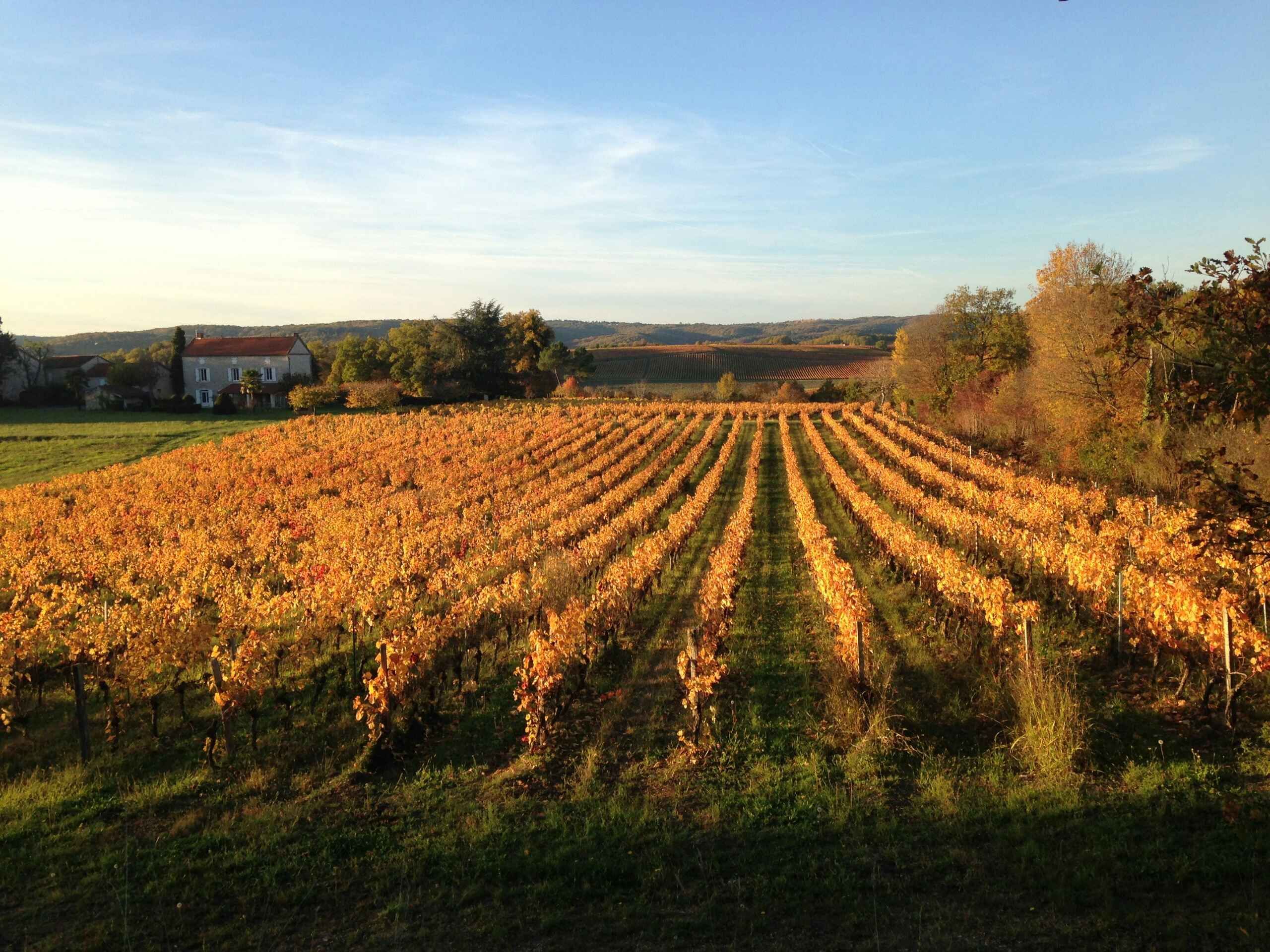
Rural Landscape near Cahors, France
Cycling the Le Puy Camino
Did you know you can also cycle the Le Puy Camino? Well, now you do!
Cycling the Le Puy Camino is a fun alternative for travellers who want to experience the pilgrimage route but prefer to cover more distance each day. A cycling itinerary is not simply the walking route done faster; cyclists need suitable roads, bike-friendly planning, appropriate daily distances, and support for luggage and accommodation.
Cycle the full Le Puy Camino
If you’re wavering between walking and cycling, but don’t have a lot of time to complete the full walking route, following the Le Puy Camino from Le Puy-en-Velay to Saint-Jean-Pied-de-Port on two wheels gives you a chance to cover the route in a shorter timeframe.
Cycle the first half of the Le Puy Camino
The first half of the cycling route is a good fit for travellers who want to begin at Le Puy-en-Velay and ride toward Cahors, experiencing the early landscapes and pilgrimage towns without committing to the full route.
Cycle the second half of the Le Puy Camino
The second half of the cycling route suits travellers who want to ride from Cahors toward Saint-Jean-Pied-de-Port, finishing closer to the Pyrenees and the connection with the Spanish Camino routes.
Cycling is best for active travellers who are comfortable with consecutive riding days, rolling terrain, and rural roads.
E-bikes on the Le Puy Camino
Recently, e-bikes have become more popular on the Le Puy Camino, especially for travellers who want extra support on rolling terrain or longer cycling days. All Le Puy Camino cycling trips on 10Adventures offer the option of renting regular hybrid/commuter bikes or e-bikes, so riders can choose the setup that best matches their comfort, fitness, and preferred travel style.
What to Pack for the Le Puy Camino
We know you’re going to France, where fashion dominates the cities, but the primary goal for packing for the Le Puy Camino should be comfort. Bring broken-in walking shoes or boots, moisture-wicking layers, a waterproof jacket, sun protection, a refillable water bottle, basic first aid, blister care, a light daypack, and offline route information. Trekking poles can also be useful on longer or hillier days.
If your itinerary includes luggage transfers, you can keep your daypack lighter, but you should still carry water, snacks, rain protection, sun protection, and any medication or essentials you may need during the day.
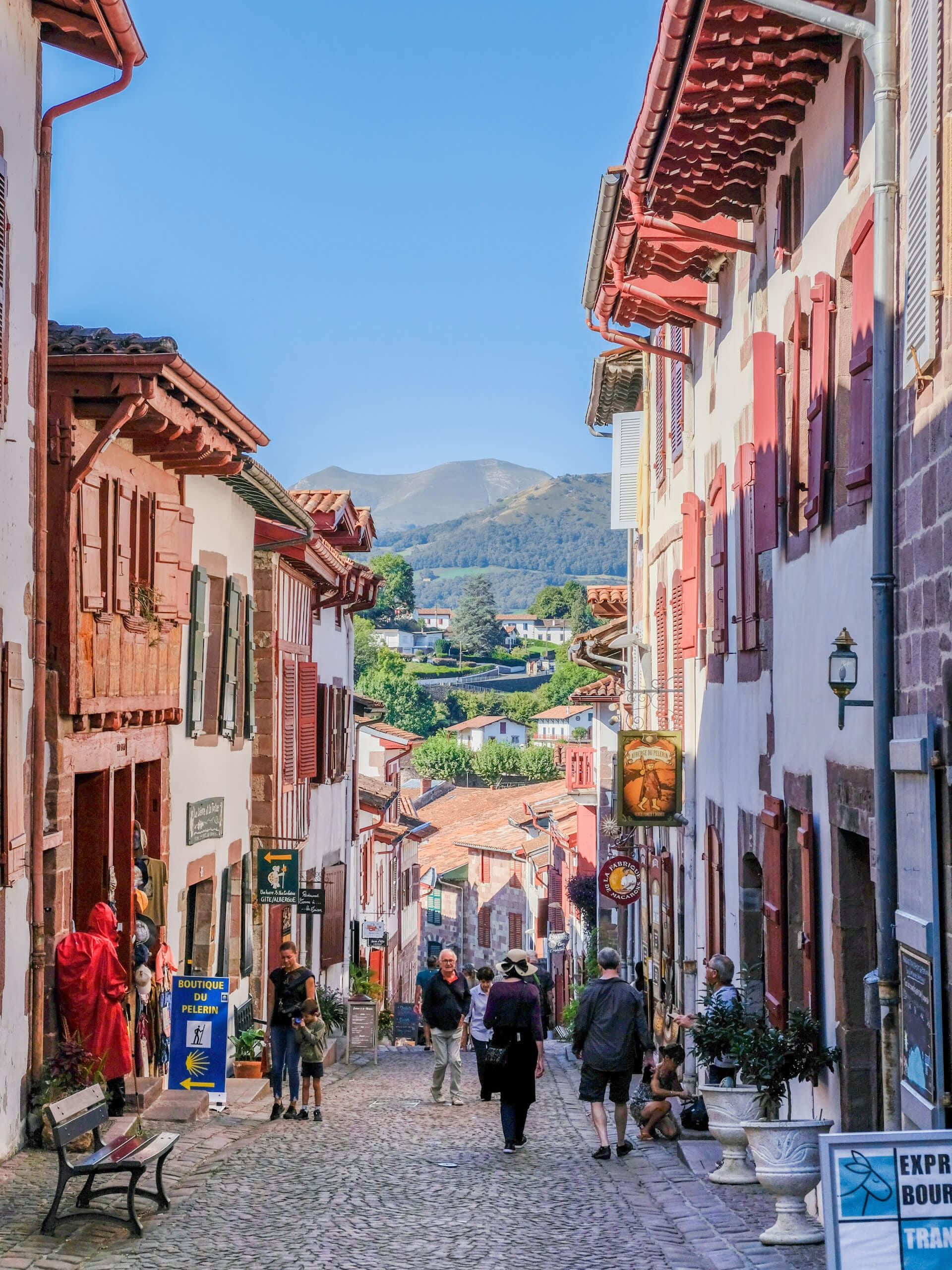
Pilgrims Walking Through Saint-Jean-Pied-de-Port, France
Which Le Puy Camino Tour Is Right for You?
- Walk the Complete Le Puy Camino: Best for travellers who want the full pilgrimage experience across France.
- Walk the Le Puy Camino: Le Puy to Aumont: Best for those who want to start at the traditional beginning of the route.
- Walk the Le Puy Camino: Aumont-Aubrac to Conques: Best for walkers interested in the Aubrac landscapes and the approach to Conques.
- Walk the Le Puy Camino: Conques to Cahors: Best for travellers who want a beautiful middle section with a strong Camino atmosphere.
- Walk the Le Puy Camino: Cahors to Lectoure: Best for travellers who want a quieter pilgrimage through southwest France.
- Walk the Le Puy Camino: Lectoure to Aire-sur-l’Adour: Best for travellers who want the Gers and Armagnac countryside.
- Walk the Le Puy Camino: Aire-sur-l’Adour to Saint-Jean-Pied-de-Port: Best for walkers who want the final approach to the Pyrenees and Saint-Jean-Pied-de-Port.
- Self-Guided Cycle the Full Le Puy Camino: Best for cyclists who want to complete the route on two wheels.
- Self-Guided Cycle the Le Puy Camino: Le Puy to Cahors: Best for cyclists who want the first half of the route.
- Self-Guided Cycle the Le Puy Camino: Cahors to St. Jean Pied de Port: Best for cyclists who want the second half of the route toward the Pyrenees.
Final Tips for Planning the Le Puy Camino
In short, you have several options for how to tackle the Le Puy Camino. You can choose your section based on time, fitness, and the type of experience you want or you can opt for the full 39-day pilgrimage. Lastly, if you want to cover more ground, but have limited time, cycling might suit your adventure style more.
No matter which route or transportation mode you decide on, it’s a good idea to plan ahead, especially if you plan on booking everything yourself. If you’re not into booking each accommodation and tracing your own route, our adventure specialists at 10Adventures can help you out with that!
Finally, the Le Puy Camino is more than a walk across France. It is a journey through landscapes, villages, food, history, and pilgrimage tradition, making it one of the most rewarding ways to experience the Camino in France.
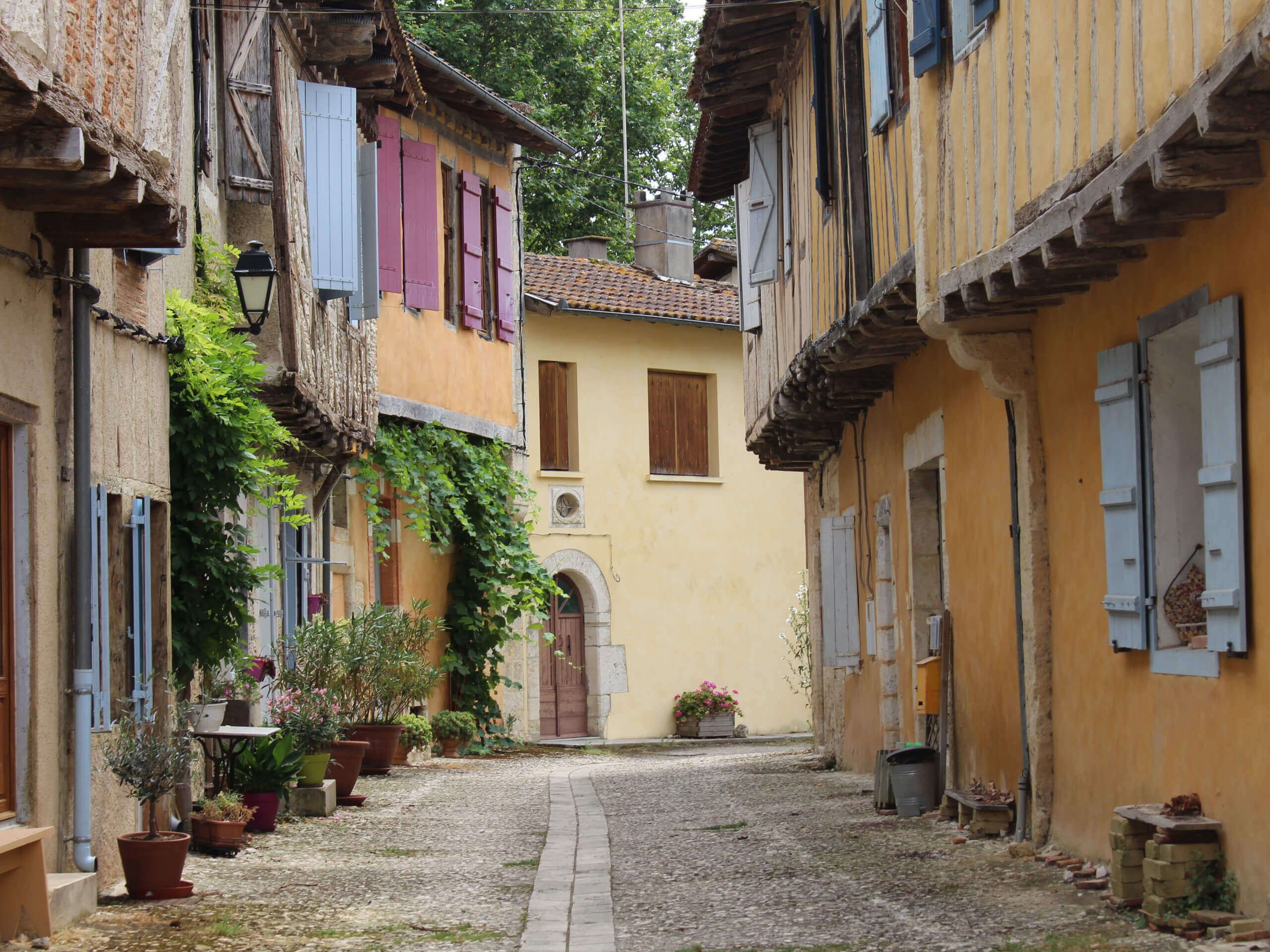
Picturesque French Village Along the Le Puy Camino
Frequently Asked Questions About the Le Puy Camino
Is the Le Puy Camino the same as the Camino Frances?
No. The Le Puy Camino is the French route from Le Puy-en-Velay to Saint-Jean-Pied-de-Port. The Camino Frances begins after Saint-Jean-Pied-de-Port and continues across northern Spain toward Santiago de Compostela.
What is another name for the Le Puy Camino?
The route is also known as the Via Podiensis and is associated with the GR65 long-distance walking route in France.
How long does it take to walk the full Le Puy Camino?
The full 10Adventures walking itinerary is 39 days from Le Puy-en-Velay to Saint-Jean-Pied-de-Port. Some travellers walk the full route, while many choose one shorter stage or combine several stages over multiple trips.
Is the Le Puy Camino hard?
It can be hard because of the repeated walking days and long-distance nature of the route. The terrain is not usually technical, but good fitness, comfortable footwear, and preparation for changing weather are important.
Can you cycle the Le Puy Camino?
Yes. There are dedicated cycling options for the Le Puy Camino, including a full cycling route and shorter cycling sections. Cycling is a better fit for travellers who are comfortable with multi-day riding and want to cover more distance each day.
Do you need to book accommodation in advance?
Yes, advance booking is strongly recommended, especially in popular months or on well-known sections. A self-guided tour helps by arranging accommodation, luggage transfers, and route materials before the trip begins.
Alex Todd
May 14, 2026
Ontario-based Alex combines his love of adventure and history, and has worked as a writer and editor at 10Adventures. He has spent months exploring New Zealand, and loves exploring Europe, from the Swiss Alps to Greek beaches.
Recent stories
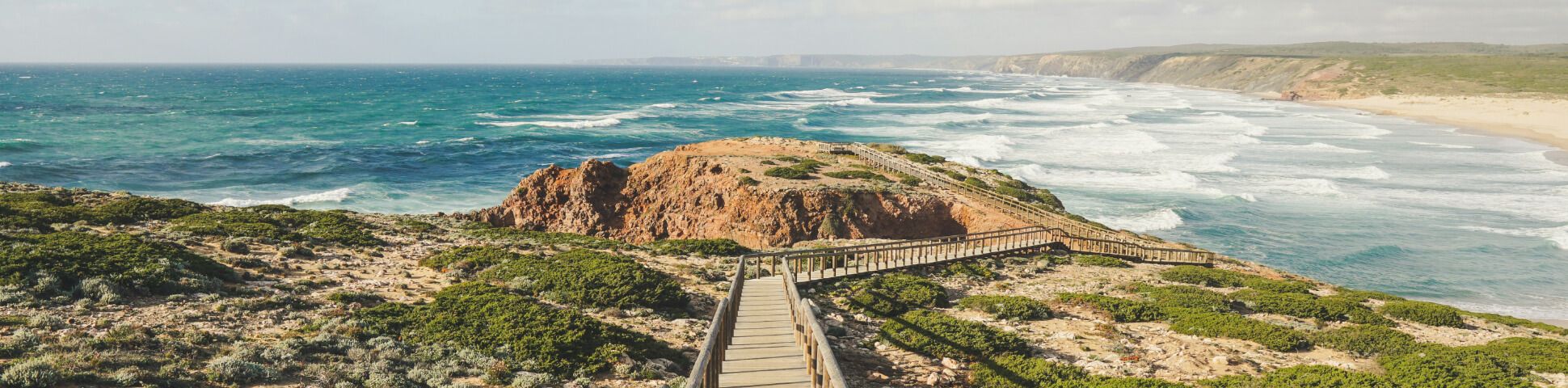
Destinations
Walking in Portugal: Best Walking Trips and Routes
Portugal packs an unusual amount of variety into a relatively small country.
Nadine Gravis
Oct 5, 2026
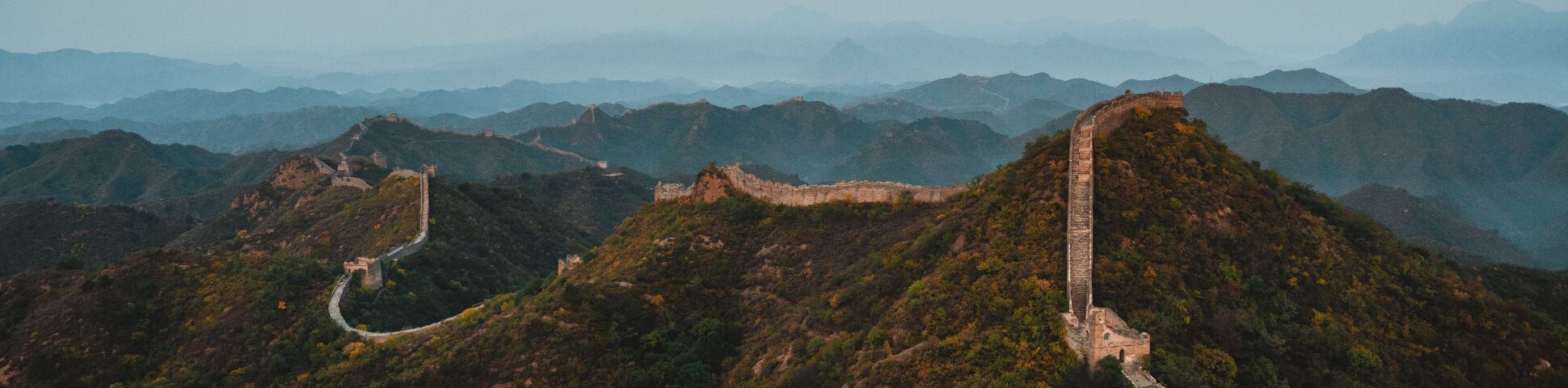
Destinations
Walking in China: Best Walking Trips and Routes
China offers walking experiences that range from historic routes to high mountain treks.
Kelsey Krahn
Oct 2, 2026
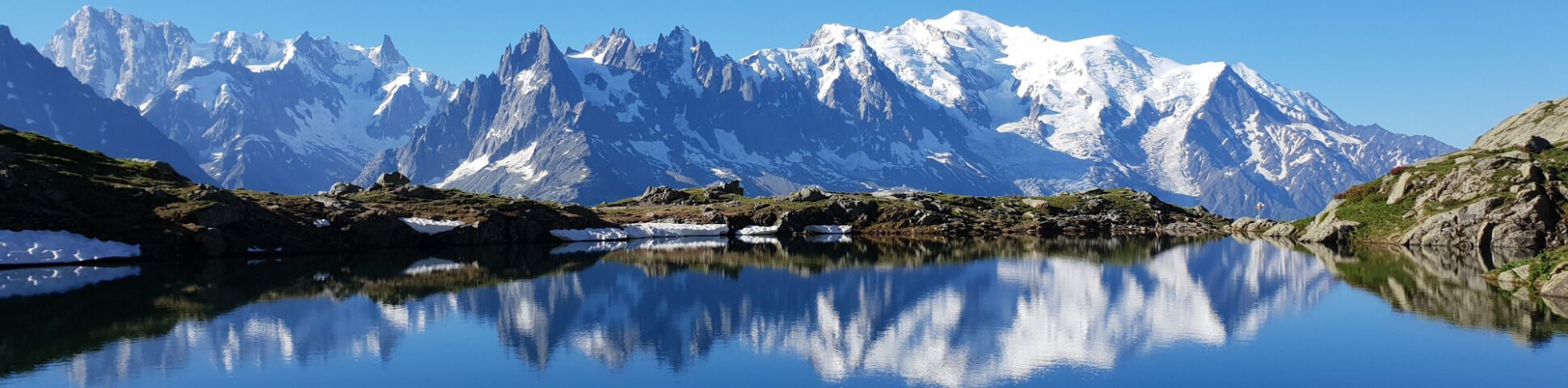
Destinations
Tour du Mont Blanc Map: Route, Variations and Key Stops
The Tour du Mont Blanc is a long-distance hiking circuit around the Mont Blanc massif, passing through France, Italy and Switzerland.
Lynn Campbell
Sep 28, 2026