
BlogDestinationsMichinoku Coastal Trail Guide: Japan’s Wild Coastal Hike for 2026
Michinoku Coastal Trail Guide: Japan’s Wild Coastal Hike for 2026
Table of contents

Richard Campbell
Jun 23, 2026
Richard is the Founder of 10Adventures, and as a writer shares his experience from 30+ years exploring the world by foot, bike, ski, and boat.
The Michinoku Coastal Trail is one of Japan’s most memorable long-distance walking routes. Escape into a quiet, more local side of Japan as you follow the wild Pacific coast of Tohoku through fishing villages, forested headlands, sea cliffs, beaches, hot springs, and communities shaped by the 2011 earthquake and tsunami.
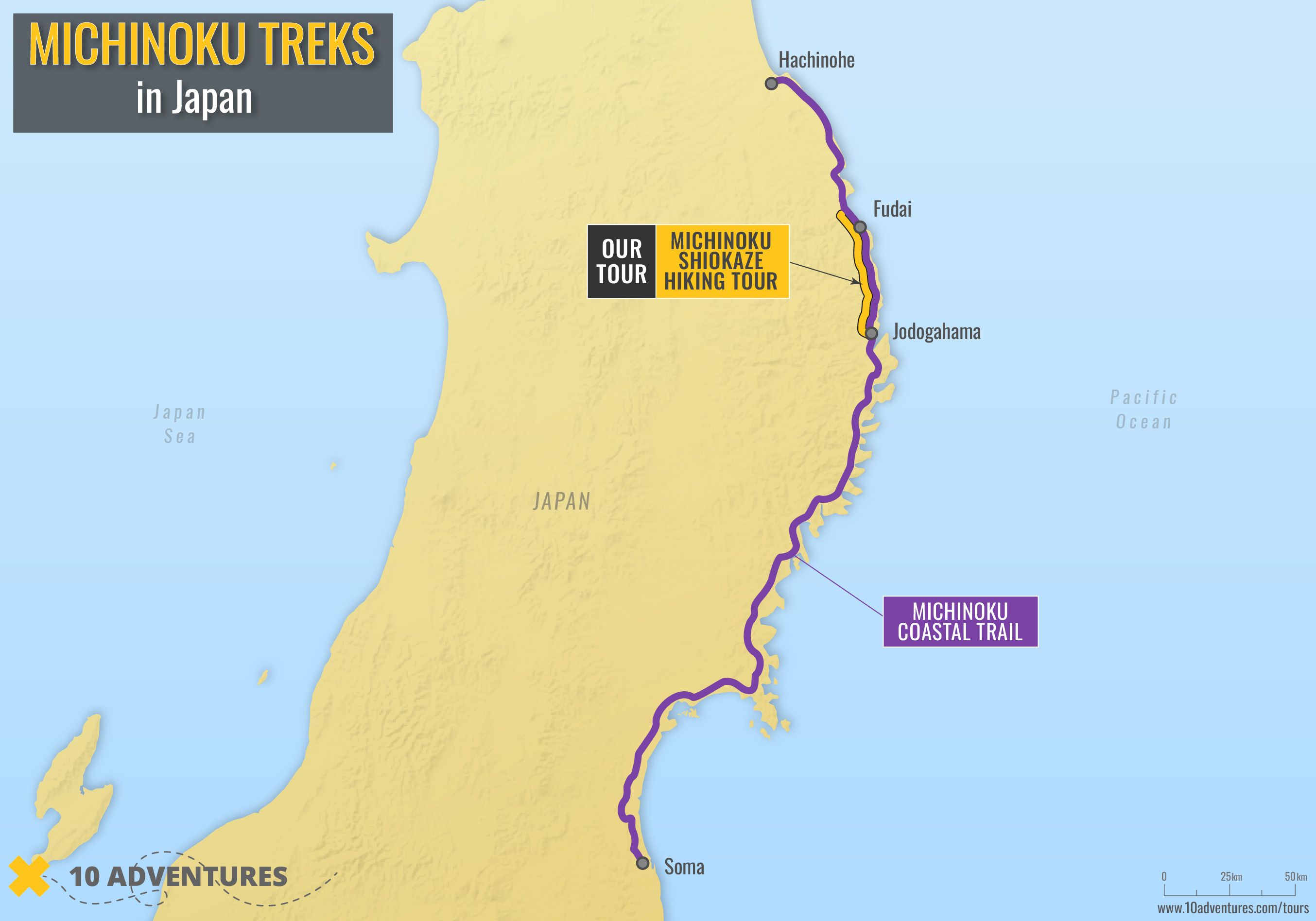
We should note that most hikers do not walk the full route in one continuous 1,025-kilometre journey—that would require a lot of time booked off work (unless you’re retired, of course!). Instead, you can choose a shorter section that balances coastal scenery, cultural interest, logistics, and daily distance. For example, travellers who want the route planning, accommodation, luggage transfers, and local support arranged can consider the Self-Guided Michinoku Coastal Trail Hiking Tour, which follows dramatic sections of the Sanriku Coast from Jodogahama toward Hachinohe.
If you are still researching walking routes, the Japan Walking Tours Guide is a useful broader starting point for seeing how the Michinoku Coastal Trail compares with Kumano Kodo and other hiking regions in Japan.
What Is the Michinoku Coastal Trail?
The Michinoku Coastal Trail, often shortened to MCT, is a long-distance coastal route in northeastern Honshu. The full trail stretches along Japan’s Pacific coastline, connecting the Tohoku coast from Aomori Prefecture south toward Fukushima Prefecture. It was developed after the Great East Japan Earthquake as a way to connect landscapes, communities, memory, and recovery through walking.
Unlike a classic mountain trek that stays mostly in remote terrain, the Michinoku Coastal Trail moves between natural areas and lived-in coastal communities. Hikers can expect a mix of paths, roads, headlands, small ports, beaches, forests, viewpoints, and train connections. This gives the trail a distinct character: it is both a scenic coastal hike and a cultural journey through northeastern Japan.
Why Hike the Michinoku Coastal Trail?
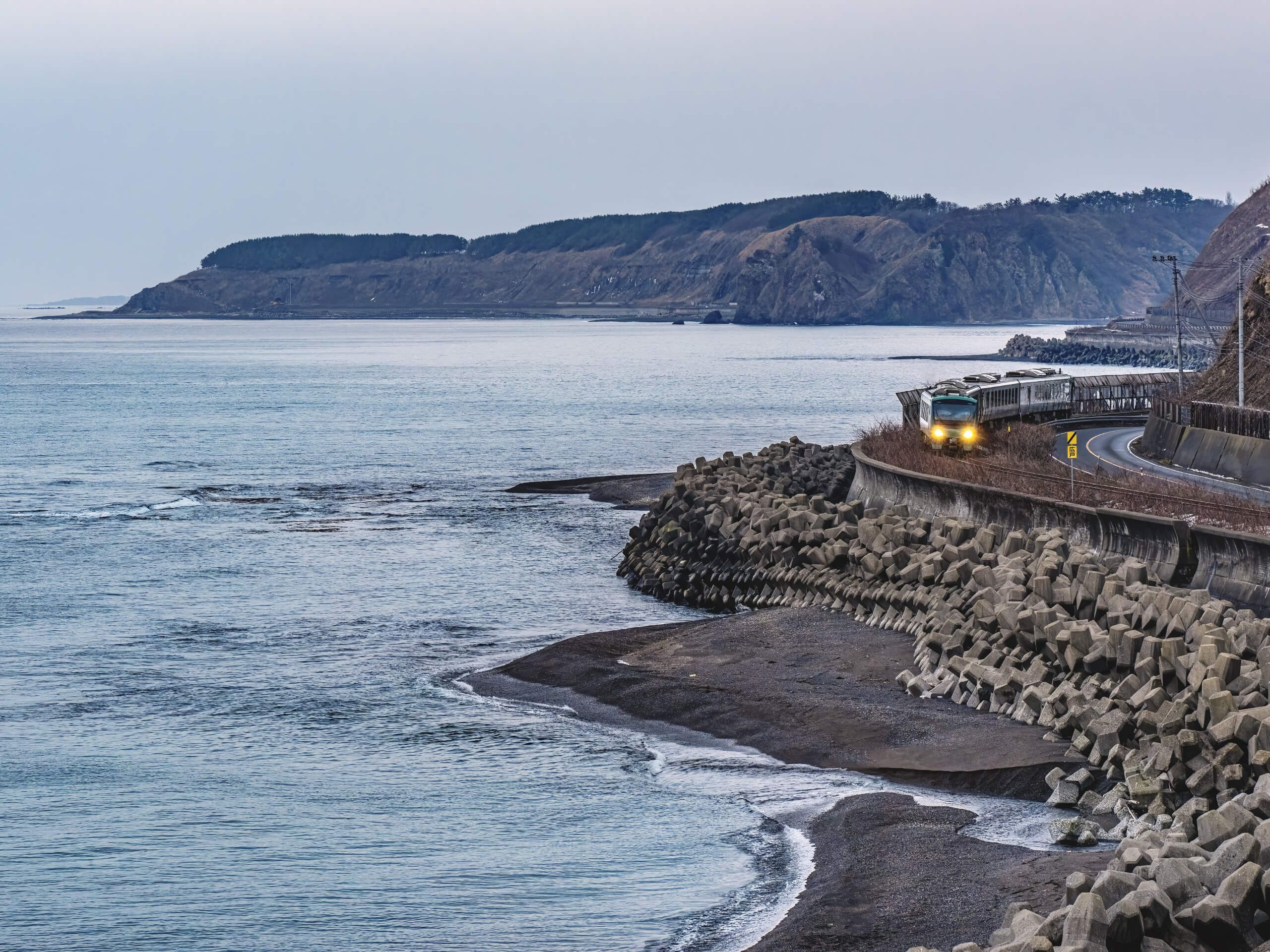
The Michinoku Coastal Trail is ideal for travellers who want a quieter side of Japan. It trades the crowds of Kyoto, Tokyo, and the most famous pilgrimage routes for fishing villages, rugged ocean scenery, regional food, and local hospitality. Days on the trail can include cliffside paths, pine forests, beaches, fishing harbours, hot springs, and small coastal towns.
It also has a stronger story than many coastal hikes. The route passes through areas affected by the 2011 disaster, and walking here can bring travellers into contact with places of resilience, remembrance, and renewal. That does not make the trail sombre; rather, it gives the journey more depth than a simple sightseeing route.
For travellers comparing Japan with wider regional trekking options, Guided and Self-Guided Asia Hiking Tours show how the Michinoku Coastal Trail fits alongside other long-distance walking and trekking trips across Asia.
Where Is the Michinoku Coastal Trail in Japan?
The Michinoku Coastal Trail is in Tohoku, the northeastern region of Honshu, Japan’s main island. For many international travellers, the trip starts with arrival in Tokyo before continuing north by train or transfer toward the Sanriku Coast. If you have time, you can revel in the electrifying excitement lighting up Toyko before drifting to a more rural and calm Japan. The contrast grants a nice well-rounded experience of the country!
This location is part of what makes the trail special. Tohoku is less visited than many classic Japan destinations, but it rewards hikers with open coastlines, regional food, slower travel, and a strong sense of place.
Travellers planning to do more walks in Japan can also browse Guided and Self-Guided Japan Hiking Tours or Guided and Self-Guided Honshu Hiking Tours to compare MCT with other routes on the main island.
If you are building a broader itinerary around the trail, Guided and Self-Guided Honshu Tours are also useful for comparing walking, hiking, and cultural trips.
Michinoku Coastal Trail Map and Route Overview
A Michinoku Coastal Trail map can be confusing at first because the full MCT is not a short point-to-point holiday route. It is a long trail system with many possible stages, access points, towns, and transport connections. For most travellers, the practical question is not whether to walk every kilometre, but which section gives the best balance of scenery, culture, distance, accommodation, and transport.
A typical visitor-friendly itinerary focuses on selected highlights of the Sanriku Coast rather than the full 1,000 km route. This makes the trail more accessible while still giving hikers the essential experience.
Best Time to Hike the Michinoku Coastal Trail
The best time to hike the Michinoku Coastal Trail is generally spring and autumn. These seasons offer a good balance of comfortable walking temperatures, coastal scenery, and fewer weather extremes than high summer or deep winter. The 10Adventures Michinoku Coastal Trail tour runs in February to June and September to November, which reflects the better walking windows for this part of Japan.
Spring can bring mild weather, fresh greenery, and a sense of renewal along the coast. Autumn is also excellent, with cooler walking conditions and seasonal colour in the surrounding forests and hills. Early and late season departures can be rewarding, but hikers should still prepare for wind, rain, and changeable coastal weather.
When not to hike the Michinoku Coastal Trail
The best time to visit the Michinoku Coastal Trail differs from central Japan city travel. Summer can be humid, rainy, and affected by storms, while winter can bring cold conditions and shorter daylight. Some sections may still be possible outside the main walking windows, but most travellers will have a better experience by choosing spring or autumn and by checking conditions close to departure.
Highlights of the Michinoku Coastal Trail
Check out the highlights spanning the MCT below!
Sanriku Coast and Jodogahama
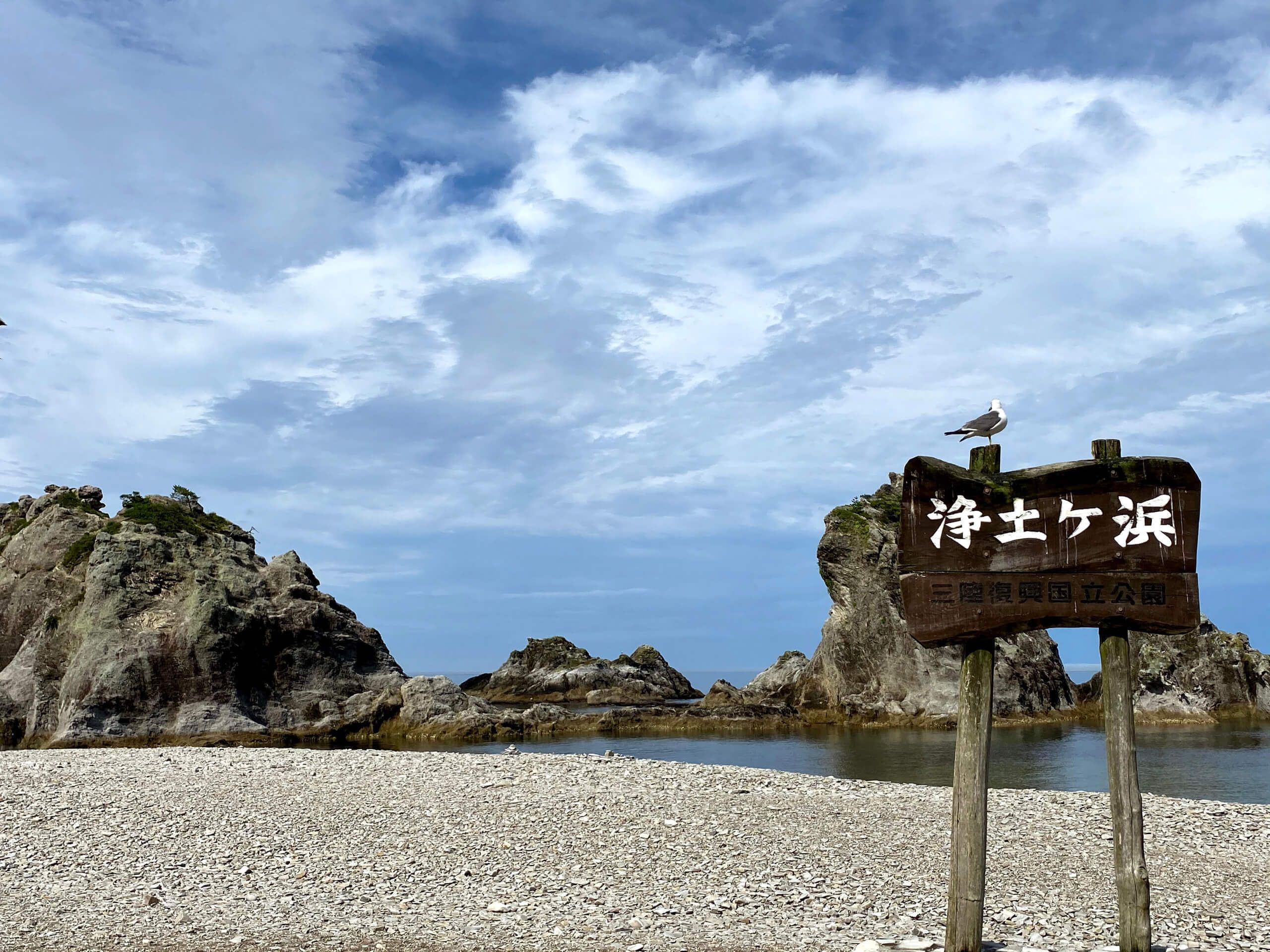
The Sanriku Coast is one of the signature landscapes of the Michinoku Coastal Trail. Around Jodogahama, hikers can expect striking coastal scenery, rocky shorelines, blue water, and dramatic ocean viewpoints. This is a strong starting point for travellers who want the classic visual identity of the route without committing to the entire trail.
Fishing Villages and Coastal Communities
Some of the most memorable parts of the MCT come from walking through fishing villages and small coastal towns. These sections show the human side of the trail: harbours, local meals, family-run accommodation, community stories, and the relationship between people and the sea. This makes the route feel more personal than a pure wilderness hike.
Forested Headlands, Cliffs and Ocean Viewpoints
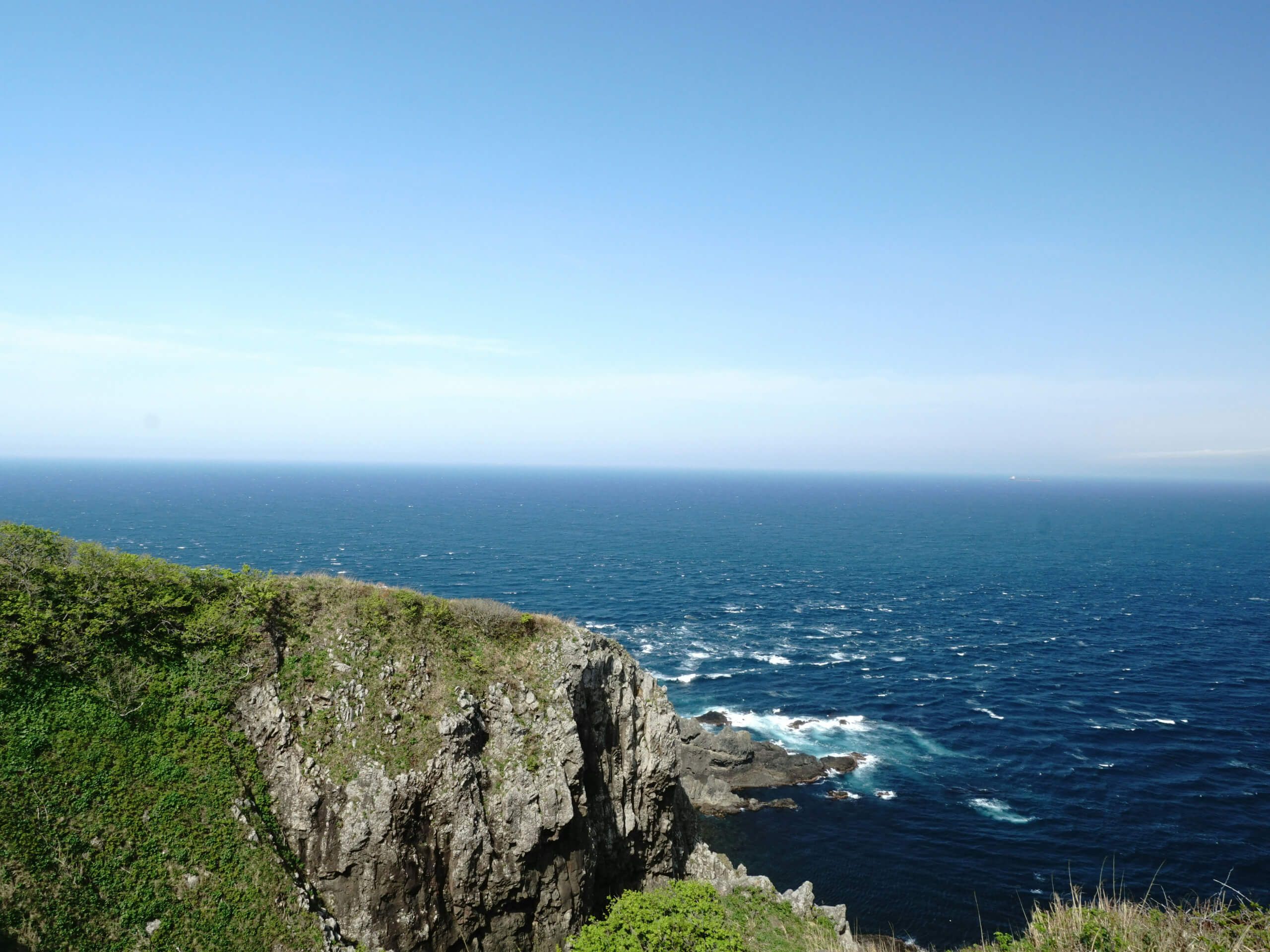
The trail is not flat coastal strolling the whole way. Many of its best viewpoints require climbs over headlands, forested paths, and uneven coastal terrain. These sections reward hikers who want active days, big views, and a route that feels varied rather than repetitive.
Hot Springs and Traditional Stays
One of the pleasures of hiking in Japan is the way active days can end with a hot spring, a regional dinner, or a comfortable traditional stay. On a well-planned Michinoku Coastal Trail itinerary, accommodation is part of the experience, not just a place to sleep.
How Difficult Is the Michinoku Coastal Trail?
The Michinoku Coastal Trail is usually best described as moderate when walked in selected sections, but difficulty depends on the exact itinerary. Some days include shorter distances and good transport links, while others involve climbs, uneven paths, stairs, exposed coastal sections, and changing weather.
The 10Adventures self-guided Michinoku Coastal Trail itinerary is rated moderate and is a good fit for active travellers who are comfortable with several days of walking, varied coastal terrain, and rural logistics. It is not a technical mountain trek, but hikers should still be ready for uneven paths, climbs, descents, weather changes, and back-to-back walking days.
How Many Days Do You Need for the Michinoku Coastal Trail?
Walking the full Michinoku Coastal Trail would take many weeks. Most international travellers choose a shorter itinerary of about 7 to 10 days, which gives enough time to experience the Sanriku Coast, coastal villages, train transfers, hot springs, and several rewarding day hikes without turning the trip into a full thru-hike.
How to Get to the Michinoku Coastal Trail
For most international travellers, the easiest route is to fly into Tokyo and continue north by train or arranged transfer. From there, access depends on the exact section being walked. Many itineraries use a combination of trains, local transfers, and walking stages to connect coastal towns and trailheads.
This is one reason a supported self-guided itinerary can be useful. Tohoku is rewarding, but it is not as simple to plan as a city-based Japan trip. Having accommodation, transport timing, route notes, and luggage logistics arranged removes much of the friction while still allowing travellers to walk independently.

Where to Stay on the Michinoku Coastal Trail
Accommodation on the Michinoku Coastal Trail can include coastal hotels, ryokans, minshuku-style stays, and onsen properties depending on the exact itinerary. The most memorable stays are often small and local, giving travellers a closer connection to the communities along the route.
Because accommodation can be limited in smaller coastal towns, it is better not to leave lodging to chance. Book early, especially during good walking seasons, and check what meals are included. In rural Japan, dinner and breakfast at the accommodation can be a major part of the experience.
Which Michinoku Coastal Trail Trip Is Right for You?
The Self-Guided Michinoku Coastal Trail Hiking Tour is great for active travellers who want a curated introduction to the Sanriku Coast rather than attempting the full 1,000 km route. It works well for hikers who want coastal scenery, fishing villages, hot springs, and Japan’s quieter northeastern coast with accommodation, route notes, luggage transfers, and key logistics arranged in advance.
The self-guided style is especially useful in Tohoku, where language, rural transport, and accommodation timing can be more challenging than in Japan’s major cities. Travellers can still walk at their own pace, stop for photos, enjoy local meals, and absorb the coastline, while knowing the main structure of the trip has been arranged. For additional Japan trip planning beyond the MCT, see Guided and Self-Guided Japan Tours.
How the Michinoku Coastal Trail Compares with Kumano Kodo
The Michinoku Coastal Trail and Kumano Kodo are two of Japan’s standout long-distance walking experiences, but they feel very different. Kumano Kodo is older, more spiritual in tone, and closely tied to pilgrimage history, forested passes, shrines, and stone paths. The Michinoku Coastal Trail is newer.
If you are curious about Japan’s walking adventures, the Best Treks and Hikes in Asia for 2026 includes MCT alongside other major regional excursions.
What to Pack for the Michinoku Coastal Trail
Pack for coastal walking and changeable weather. A good kit should include broken-in walking shoes or lightweight hiking boots, a waterproof jacket, breathable layers, a warm layer, sun protection, a daypack, blister care, refillable water bottle, personal medication, and offline route information.
Because some sections involve rural towns and train connections, pack light enough to move comfortably. If luggage transfer is included, your daypack can stay simple, but you should still carry water, snacks, rain gear, a charged phone, and any essentials needed between accommodation stops.
Final Tips for Planning the Michinoku Coastal Trail
Some essential tips to keep in mind when preparing for the MCT:
- Plan the Michinoku Coastal Trail as a coastal journey, not just a hiking checklist.
- Build in time for viewpoints, local meals, village walks, hot springs, and weather changes.
- Check train connections, accommodation availability, and route conditions before committing to a section.
The best MCT experience comes from choosing the right section and pace. Strong hikers may want longer days and more remote walking, while first-time visitors to Tohoku may prefer a supported itinerary with carefully chosen highlights. Either way, this is one of Japan’s most rewarding routes for travellers who want coast, culture, and quieter adventure.
Frequently Asked Questions About the Michinoku Coastal Trail
How long is the Michinoku Coastal Trail?
The full Michinoku Coastal Trail is more than 1,000 km long. Most travellers do not walk the entire route in one trip; they choose a shorter section or supported itinerary.
Where is the Michinoku Coastal Trail?
The trail follows the Pacific coast of Tohoku in northeastern Honshu, Japan. Many trips begin with arrival in Tokyo before continuing north toward the Sanriku Coast.
What is the best time to hike the Michinoku Coastal Trail?
Spring and autumn are usually the best seasons. These windows offer more comfortable walking conditions than humid summer or colder winter periods.
Is the Michinoku Coastal Trail difficult?
Selected sections are usually moderate for active walkers, but the full trail is a major long-distance route. Difficulty depends on daily distance, terrain, weather, and the exact section chosen.
Can you hike the Michinoku Coastal Trail self-guided?
Yes, selected sections can work well as a self-guided hiking trip, especially when accommodation, route notes, luggage transfers, and local support are arranged in advance.
Is the Michinoku Coastal Trail the same as Kumano Kodo?
No. Kumano Kodo is an ancient pilgrimage network in the Kii Peninsula, while the Michinoku Coastal Trail follows the Pacific coast of Tohoku. Both are important Japan walking routes, but they offer very different experiences.
Do you need a map for the Michinoku Coastal Trail?
Yes. Even on a supported itinerary, hikers should carry route notes and offline maps. The trail has multiple sections, towns, and access points, so current route information is important.
Richard Campbell
Jun 23, 2026
Richard is the Founder of 10Adventures, and as a writer shares his experience from 30+ years exploring the world by foot, bike, ski, and boat.
Recent stories

Destinations
Top Walking and Cycling Tours with Luggage Transfer
A point-to-point walking or cycling trip is easier to manage when you only carry what you need during the day.
Nadine Gravis
Sep 22, 2026
Destinations
Best Hiking and Cycling Tours for First-Time Active Travelers
Your first active vacation does not need to mean climbing a major peak or riding a mountain pass every day.
Lynn Campbell
Sep 19, 2026

Destinations
Best Time to Hike Tour du Mont Blanc in 2027
Mont Blanc's scenery evolves from a wildflower spectacle to a magical winter wonderland throughout the seasons, transforming from an "easier" (for lack of a better word) trek to a more technical adventure.
Kelsey Krahn
Sep 16, 2026