
BlogDestinationsGermany Cycling Tours: Best River Routes, Regions and Trips for 2026
Germany Cycling Tours: Best River Routes, Regions and Trips for 2026
Table of contents

Lynn Campbell
Jun 4, 2026
Lynn is the co-Founder of 10Adventures. She had never slept outside until she was 28 years old, and now is an ardent hiker, backpacker, traveller, and bike tourer!
Cycling in Germany includes scenic river paths, wine villages, historic towns, alpine lakes, and well-organized point-to-point routes. While this may sound like any other cycling tour in a European country, it’s worth emphasizing that Germany specializes in gorgeous river-based bike tours. These types of tours are a great fit for beginners because many routes follow established cycle paths, connect regular towns, and aim to avoid demanding mountain terrains.
This guide explains the best cycling regions in Germany, when to go, when to avoid, where e-bikes can help, and which 10Adventures trips fit different riding styles.
Side note: for travellers who want route guides, accommodations, luggage transfers, and support arranged in advance, self-guided Germany Bike Tours are a practical way to explore Germany by bike without having to plan every detail yourself.
Why Germany Is Great for Cycling Tours
Germany works well for cycling because many of its classic routes follow rivers, rail-trail corridors, lake districts, and quiet regional roads. That means riders can pair daily activity with castles, vineyards, spa towns, old city centres, beer gardens, and comfortable hotels rather than treating the trip like a pure endurance challenge. Germany is also strong for dedicated cycle paths and separated bike routes that keep riders away from car traffic for many parts of a journey, which makes daily riding feel more comfortable and approachable.
Best Time to go Cycling in Germany
For most cycling tours in Germany, the best time to ride is late spring through early autumn. May, June, September, and early October often offer a good mix of comfortable temperatures, open services, and fewer crowds than the peak summer holiday period. July and August can still work well, especially on river and lake routes, but popular towns may be busier.
River routes such as the Rhine, Moselle, Elbe, Main, and Danube corridors are often easier to plan than high mountain crossings because the terrain is usually more forgiving. Alpine and cross-border routes around Bavaria, Lake Constance, Austria, or Italy may be more seasonal and should be matched carefully to weather, elevation, and route difficulty.
When not to go cycling in Germany
Winter is less suitable for most classic self-guided bike trips because of short days, colder temperatures, and reduced rural services. Some higher-elevation or alpine routes can also be affected by colder weather outside the main cycling months. If you are planning a river route, summer can be enjoyable, but book accommodation early in popular areas such as the Rhine, Moselle, Lake Constance, and Bavaria.
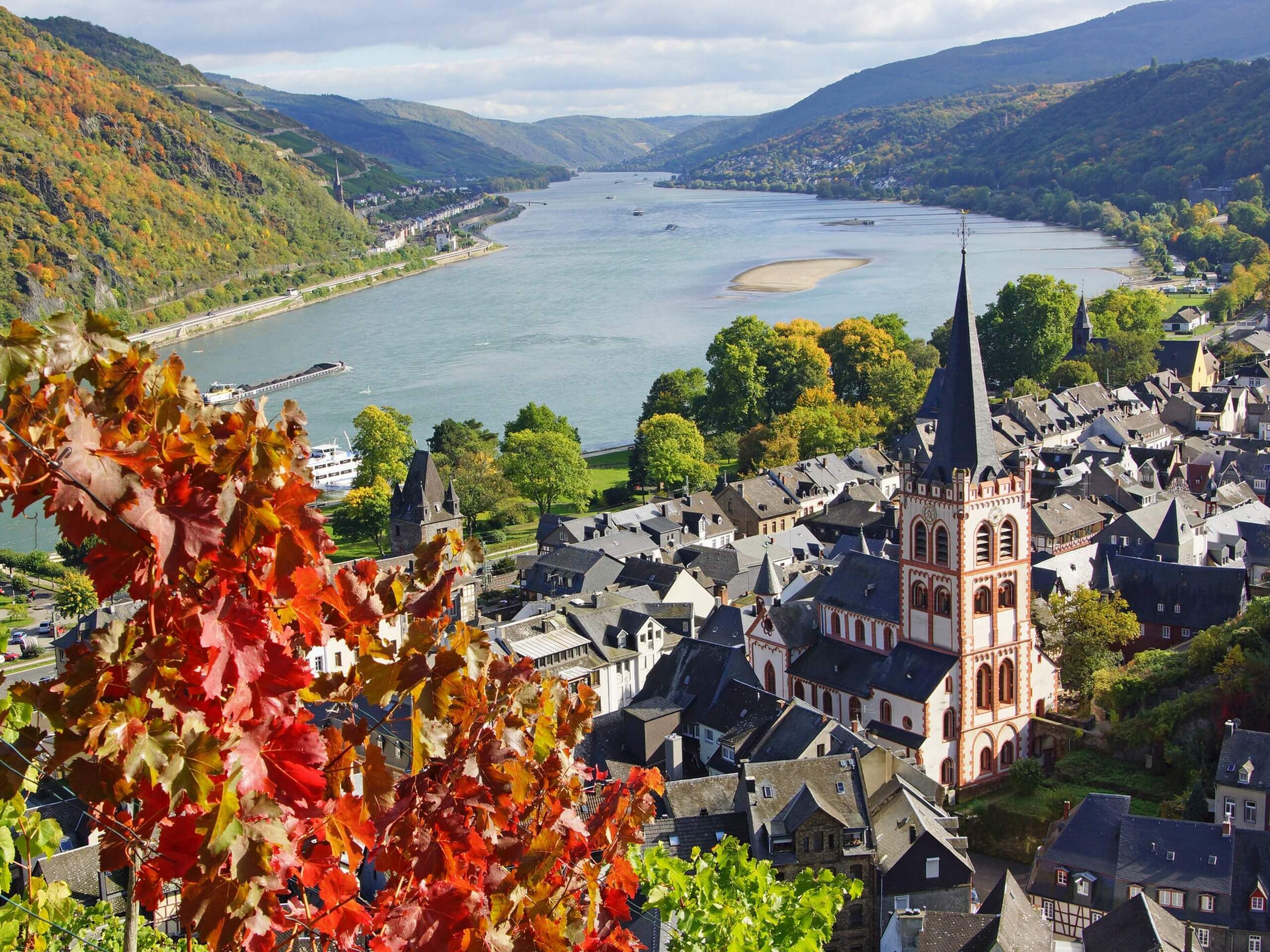
Cycling the Rhine, Main and Moselle River Routes
The Rhine, Main, and Moselle routes are among the most useful starting points for Germany cycling tours. They combine riverside paths, wine villages, castles, historic towns, and manageable daily logistics. These river-based tours are especially good for beginner or intermediate cyclists because they usually focus on steady point-to-point riding rather than big climbs.
A shorter Rhine option is the Self-Guided Rhine River Bike Tour, which links Frankfurt, Mainz, Oberwesel, and Koblenz through the Upper Middle Rhine Valley.
Riders who want a broader river-focused route can compare the Self-Guided Rhine, Main and Moselle Cycling Tour, while wine lovers may prefer the Moselle or Palatinate options.
Speaking of a Moselle route, the Self-Guided Moselle River Bike Tour follows one of Germany’s classic wine-valley cycling corridors.
Best time to go: May, June, September, and October.
When not to go: Midwinter is less appealing for classic river cycling, and peak summer can be busier in famous wine towns.
Cycling the Elbe, Saxony and Northern Germany
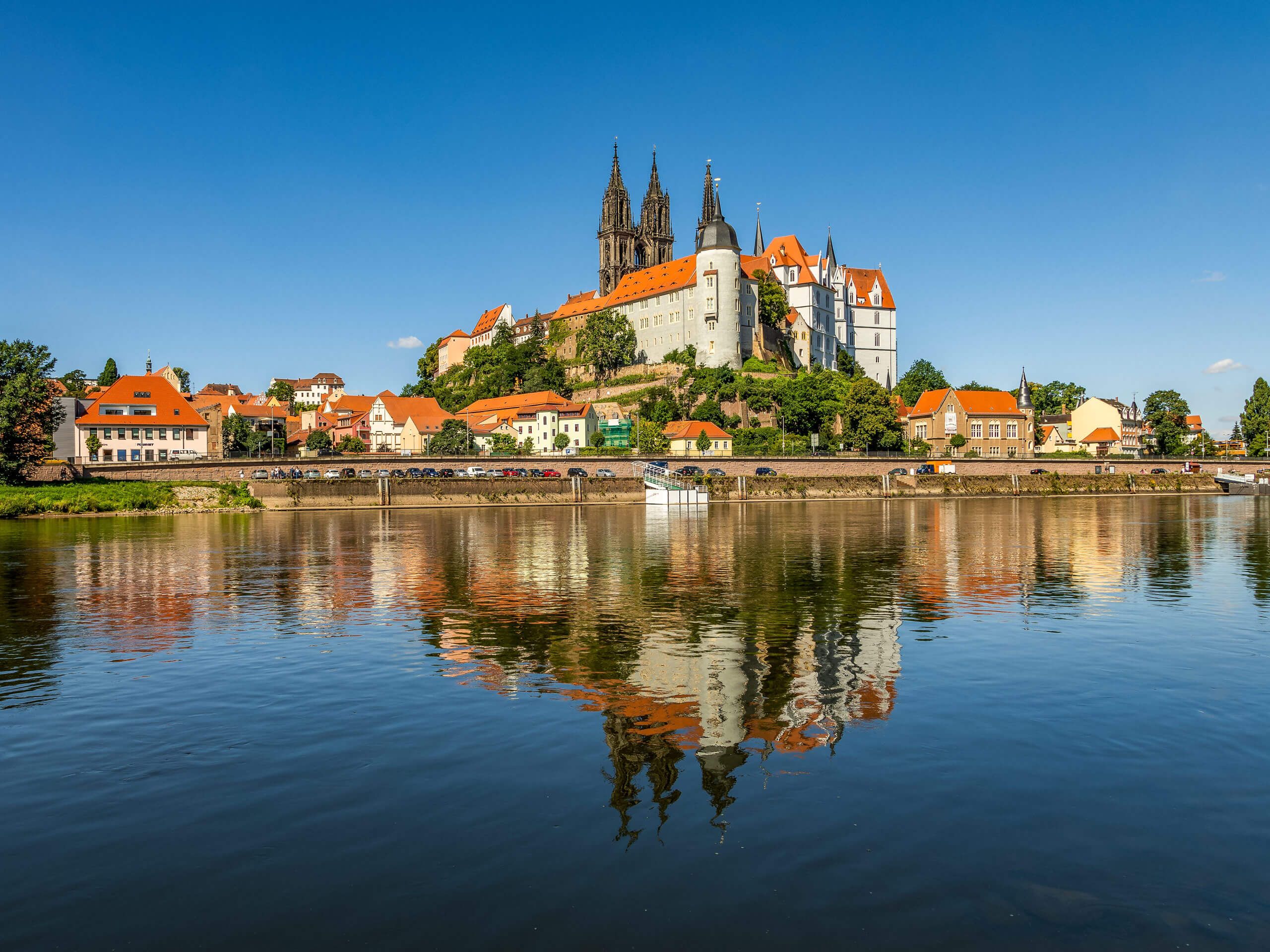
The Elbe corridor is another classic Germany cycling region, with routes that connect Saxony, river towns, cultural cities, and northern landscapes. This region tends to attract cyclists who want history, architecture, quieter countryside, and longer point-to-point journeys without needing a mountain focus.
The Self-Guided Dresden to Dessau Bike Tour is a compact Saxony-focused option with castles, wine villages, and historic towns along the Elbe.
Longer routes include the Hamburg to Dresden Bike Tour on the Elbe Cycle Path and Prague to Berlin on the Elbe Cycle Path, both of which suit riders who want a longer cross-regional cycling holiday.
For a northern countryside route, the Magdeburg to Hamburg Cycling Tour offers an Elbe-linked journey toward one of Germany’s great port cities.
For a deeper look at the Elbe route, our Elbe Cycle Route guide covers Prague to Dresden, Saxony, Hamburg, difficulty, e-bikes, and timing.
Best time to go: May to September for long daylight and easier services.
When not to go: Late autumn and winter can be less suitable because of shorter days and cooler, wetter riding conditions.
Cycling in Bavaria, Chiemgau and the Bavarian Lakes
Bavaria is one of Germany’s most scenic cycling regions, especially for riders who want alpine views, lake towns, traditional villages, and a strong cultural identity. You can find routes that promise relaxed lake cycling and e-bike touring, or more ambitious alpine-style journeys.
For lake-focused riding, the Self-Guided Bavarian Lakes Cycling Tour works well for travellers who want classic Bavarian scenery without committing to a hard mountain route.
The Self-Guided 7-Day Chiemgau Cycling Tour is another Bavaria option for riders who want alpine lakes, villages, and cultural landscapes.
Travellers specifically interested in e-bikes can look at the Guided Bavaria E-Bike Tour, which winds through Bavaria, lake scenery, and alpine foothills.
Best time to go: Late spring to early autumn, especially June and September.
When not to go: Winter and early spring are less reliable for classic lake and alpine-foothill cycling.
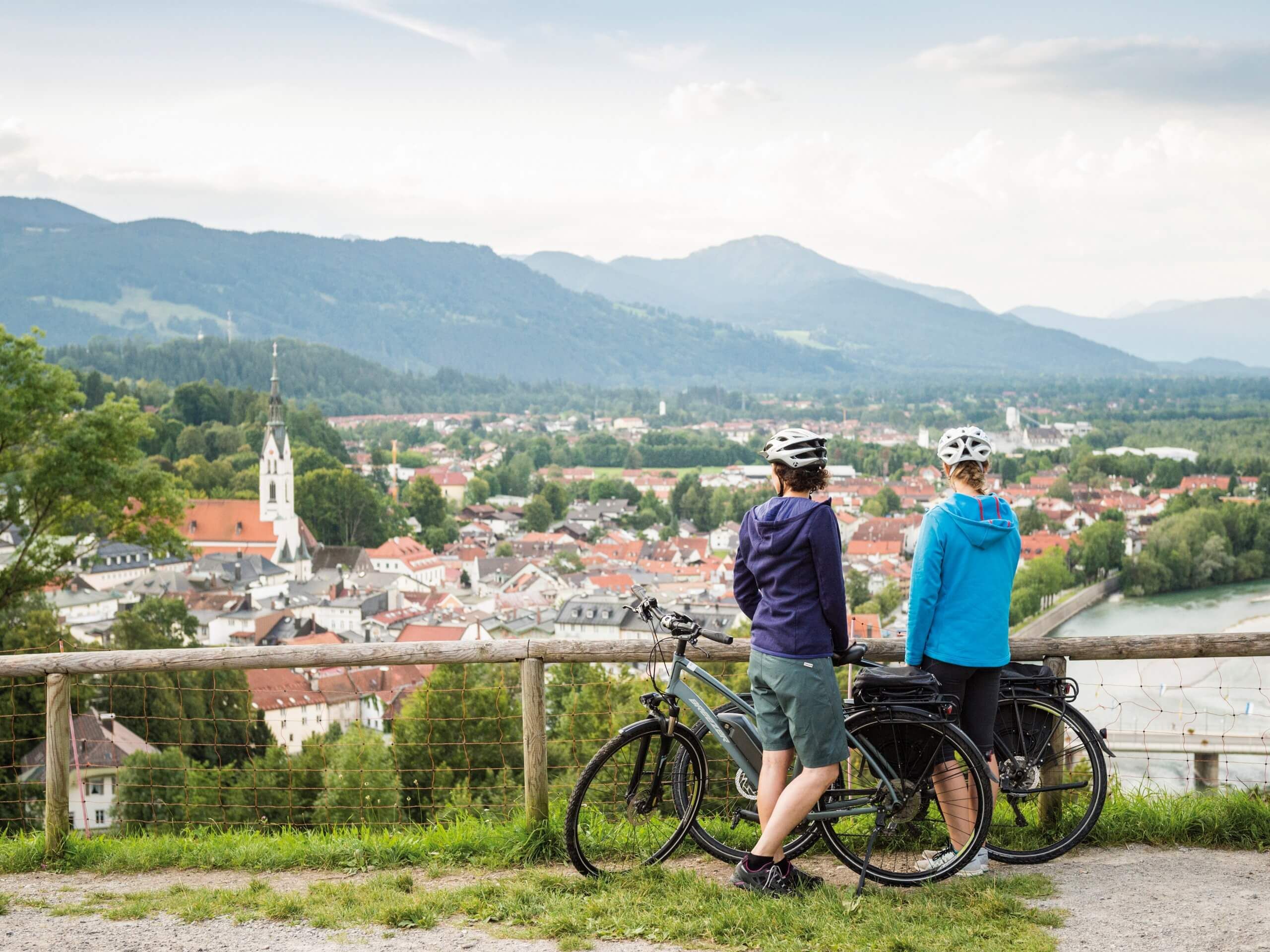
Cycling Lake Constance and Cross-Border Routes
Heading to Germany for a cycling adventure makes it easy for cross-border trips as many routes connect naturally with other European countries. Lake Constance is one of the best examples, with Germany, Austria, and Switzerland all connected by lake scenery, historic towns, and approachable cycling terrain. A Self-Guided Lake Constance Bike Tour can be especially appealing for travellers who want a scenic, moderate route with a classic cross-border feel.
For a different cross-border style, the Cycle Holland, Belgium, and Germany Tour links three countries and four national parks on an easy self-guided cycling holiday.
More experienced riders can compare the Munich to Lake Garda Bike Tour or the Munich to Venice Self-Guided Bike Tour if they want a bigger alpine crossing from Germany toward Italy.
Best time to go: May to September for lake and cross-border routes; May to October may work for some alpine crossings.
When not to go: Avoid treating alpine routes like simple river tours; elevation and weather matter more.
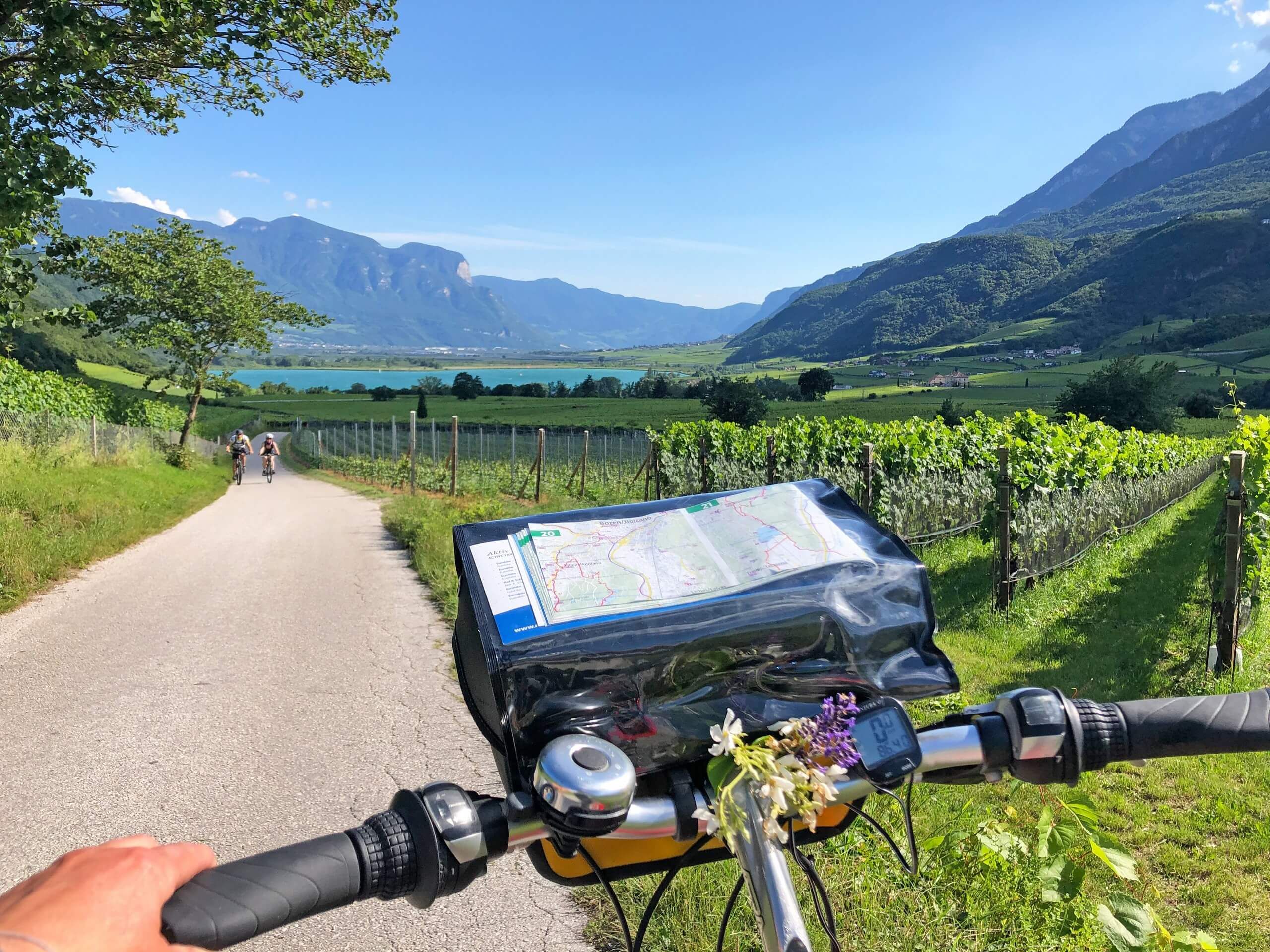
Cycling the Danube, Vennbahn and Multi-Country Routes
Good news! We have more cross-border cycling adventures. These routes are useful for travellers who like the idea of exploring different countries in one tour, following major rivers, or combining cycling with historic cities and different cultural regions.
The Danube River Guided Bike and River Cruise includes Germany as part of a broader guided bike-and-boat experience through multiple countries.
The 5-Country Tour on the Vennbahn Rail Trail is a more ambitious multi-country cycling option spanning Belgium, France, the Netherlands, Germany, and Luxembourg.
Travellers comparing Germany with wider European options can also check out Europe bike tours for cross-border cycling trips.
Best time to go: Late spring through early autumn.
When not to go: These trips require more attention to weather, daily distance, and border-crossing logistics, so avoid choosing dates without checking the specific itinerary season.
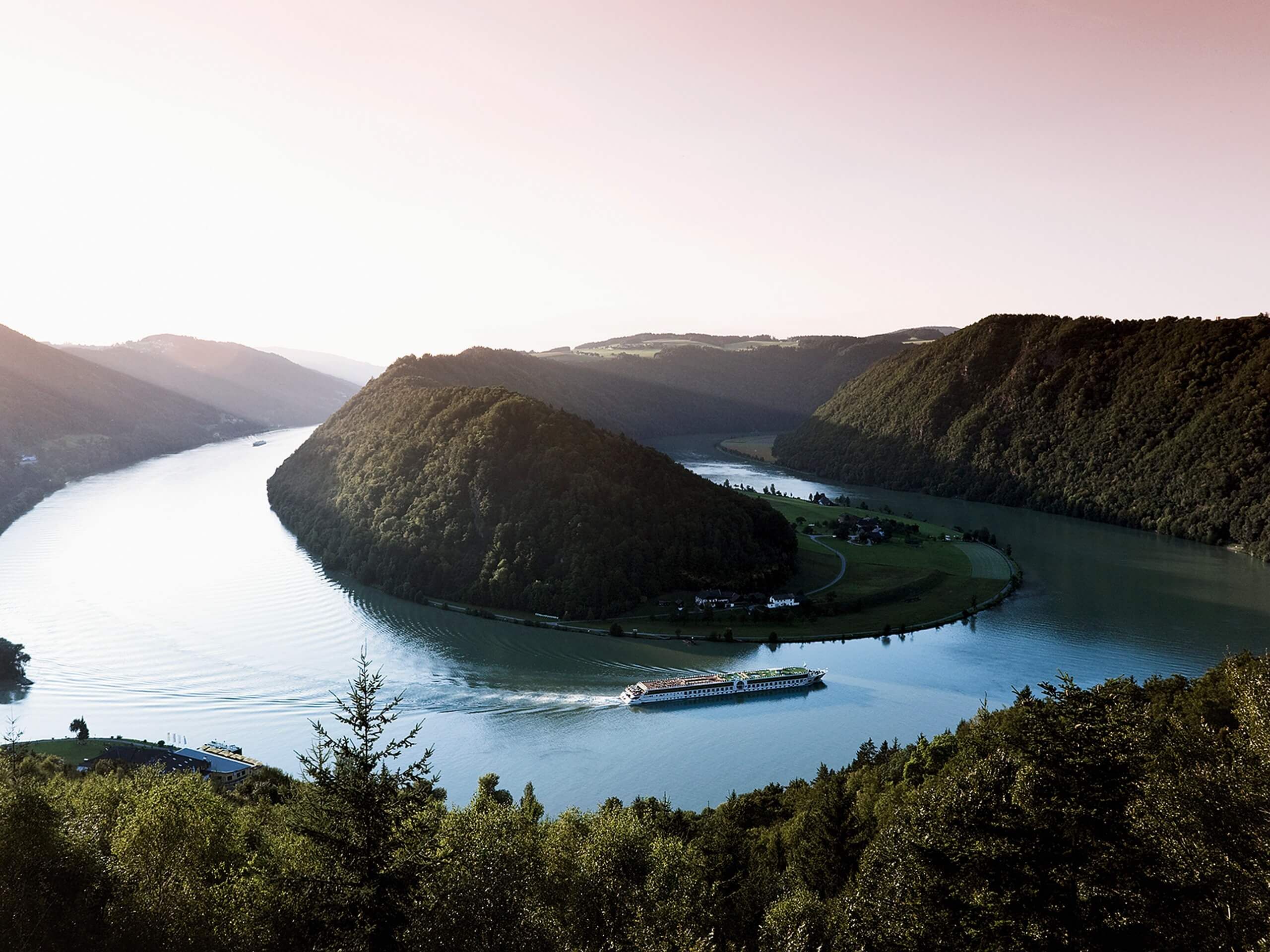
E-biking in Germany
E-biking is a very good option in Germany, especially for riders who want help with longer river days, rolling wine country, Bavarian lake routes, or cross-border terrain. An e-bike can make the experience more comfortable while still keeping the trip active and independent.
Many cycling trips in Germany have regular bike and e-bike rental options, but availability depends on the specific itinerary. Check the individual tour page before booking, especially if you want an e-bike for a river route, a Bavaria trip, or a longer multi-country cycling holiday. Travellers comparing electric-bike options across destinations can also browse E-Bike Tours.
Why Book a Self-Guided Cycling Tour in Germany?
A self-guided cycling tour in Germany gives you independence on the road while removing much of the logistics that require detail and research. Accommodation, luggage transfers, route notes, bike rental, and local support can make a point-to-point route much easier to enjoy.
This is especially useful on river-based tours because the daily rhythm is simple: ride between towns, stop for viewpoints or historic sites, and settle into a new hotel each evening. For first-time cycling travellers, a self-guided river route in Germany can be one of the easiest ways to try a multi-day bike holiday.
Which Germany Cycling Tour Is Right for You?
- Self-Guided Rhine River Bike Tour: Best for travellers who want a short, scenic Rhine route with castles, vineyards, and river towns.
- Self-Guided Rhine Cycling Tour from Frankfurt to Cologne: Best for cyclists who want a longer Rhine journey between two major cities.
- Self-Guided Rhine, Main and Moselle Cycling Tour: Best for riders who want several classic German river landscapes in one trip.
- Self-Guided Moselle River Bike Tour: Best for wine villages, gentle river cycling, and a more relaxed pace.
- Self-Guided Palatinate Cycling and Wine Tour: Best for travellers who want wine country, spa-hotel comfort, and a base-style trip.
- Self-Guided Dresden to Dessau Bike Tour: Best for Saxony, Elbe River scenery, historic towns, and cultural stops.
- Hamburg to Berlin by Bike: Best for riders who want a north-to-capital route with countryside, rivers, and city finish.
- Self-Guided Bavarian Lakes Cycling Tour: Best for Bavaria, alpine lakes, villages, and approachable scenery.
- Guided Bavaria E-Bike Tour: Best for travellers who want e-bike support and a guided Bavaria experience.
- Self-Guided Lake Constance Bike Tour: Best for a moderate lake route across Germany, Austria, and Switzerland.
- Munich to Venice Self-Guided Bike Tour: Best for strong cyclists who want a bigger cross-Alps challenge from Germany to Italy.
- 5-Country Tour on the Vennbahn Rail Trail: Best for riders who want a multi-country cycling route with a rail-trail feel.
What to Pack for a Cycling Trip in Germany
Your cycling packing list should include comfortable cycling shorts, breathable layers, a lightweight rain jacket, gloves, sunglasses, sun protection, personal medication, a refillable water bottle, and casual clothes for evenings. Even in summer, river valleys and lake regions can bring cooler mornings or rain, so layers are important.
If your bike and helmet are included or rented through the tour, confirm the details before packing. For e-bike trips, check battery logistics, charger availability, and whether accommodations are set up for bike storage and charging.
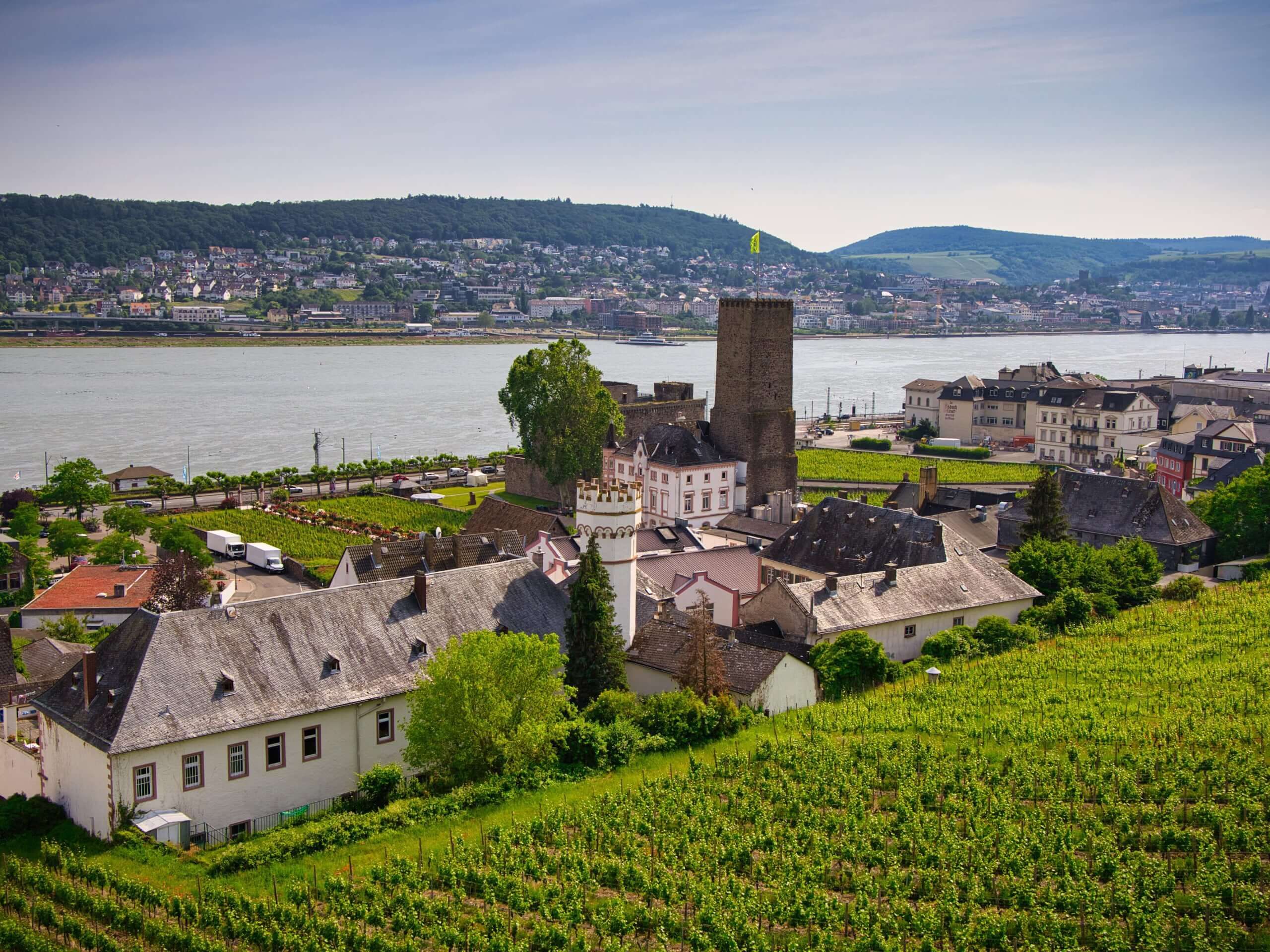
Final Tips for Planning a Cycling Trip in Germany
Seriously think about the adventure you want and then choose your route from there! In summary, Rhine and Moselle tours are best for river scenery, wine villages, and easier riding. Elbe routes are strong for Saxony, Berlin, Hamburg, and longer cultural journeys. Bavaria and Lake Constance are better for alpine views, lakes, and cross-border variety. If you are new to cycling holidays, a river-based self-guided tour is often the easiest place to start.
Frequently Asked Questions About Germany Cycling Tours
What is the best region for cycling in Germany?
The Rhine and Moselle valleys are excellent for first-time Germany cycling tours because they combine river scenery, wine towns, castles, and manageable daily logistics. Bavaria, Lake Constance, and the Elbe are also strong choices depending on the style of trip you want.
When is the best time to cycle in Germany?
Late spring through early autumn is the main cycling season. May, June, September, and early October are often especially appealing because conditions are comfortable and some popular towns are less busy than peak summer.
Are river cycling tours in Germany good for beginners?
Yes. River-based tours can be some of the best Germany cycling options for beginners because they often follow established cycle paths, connect regular towns, and avoid the most demanding mountain terrain.
Can you do an e-bike tour in Germany?
Yes. E-bike options are available on many Germany cycling trips, though availability depends on the specific itinerary. E-bikes can be especially helpful on rolling wine routes, Bavarian lake ventures, or longer daily stages.
Are Germany cycling tours self-guided?
Many 10Adventures Germany cycling tours are self-guided, meaning you ride independently while accommodations, luggage transfers, route notes, and many logistics are arranged in advance.
Is Germany good for family cycling trips?
Germany can be good for families or newer riders when the route is chosen carefully. River paths, lake routes, and shorter self-guided itineraries are generally more approachable than alpine crossings or long multi-country tours.
Lynn Campbell
Jun 4, 2026
Lynn is the co-Founder of 10Adventures. She had never slept outside until she was 28 years old, and now is an ardent hiker, backpacker, traveller, and bike tourer!
Recent stories
Destinations
Where to Go Instead: 10 Less Crowded Alternatives to Europe’s Famous Trails
Europe's best-known hiking trails deserve their reputations, but popularity changes the experience.
Nadine Gravis
Sep 16, 2026
Destinations
Best Family Adventure Tours for Kids 12 and Under
As most parents know, family adventure travel is hard to plan while your children are young.
Richard Campbell
Sep 16, 2026

Destinations
How Much Does the Tour Du Mont Blanc Cost?
How much does the Tour du Mont Blanc cost in 2026?
Kelsey Krahn
Sep 15, 2026