
BlogDestinationsWhere to Go Instead: 10 Less Crowded Alternatives to Europe’s Famous Trails
Where to Go Instead: 10 Less Crowded Alternatives to Europe’s Famous Trails
Table of contents
Nadine Gravis
Sep 16, 2026
Whether exploring Algonquin Provincial Park by canoe, or hiking Torres del Paine, Nadine loves spending time outdoors and sharing about her experiences.
Europe's best-known hiking trails deserve their reputations, but popularity changes the experience. On the Tour du Mont Blanc, Camino Francés, Cinque Terre, and other headline routes, busy summer weeks can mean crowded paths, full accommodations, and little sense of solitude. In many parts of Europe, nearby routes offer comparable scenery with fewer people on the trail.
None of the alternatives below is a secret, and none is guaranteed to be empty. Weekends, school holidays, good weather, and local events still draw hikers. Each route offers a different way to experience the landscapes that make the famous trails appealing, from high Alpine passes and pilgrimage paths to Atlantic coastlines, volcanic terrain, and mountain ridges.
1. Instead of the Tour du Mont Blanc, Hike the Beaufortain Loop
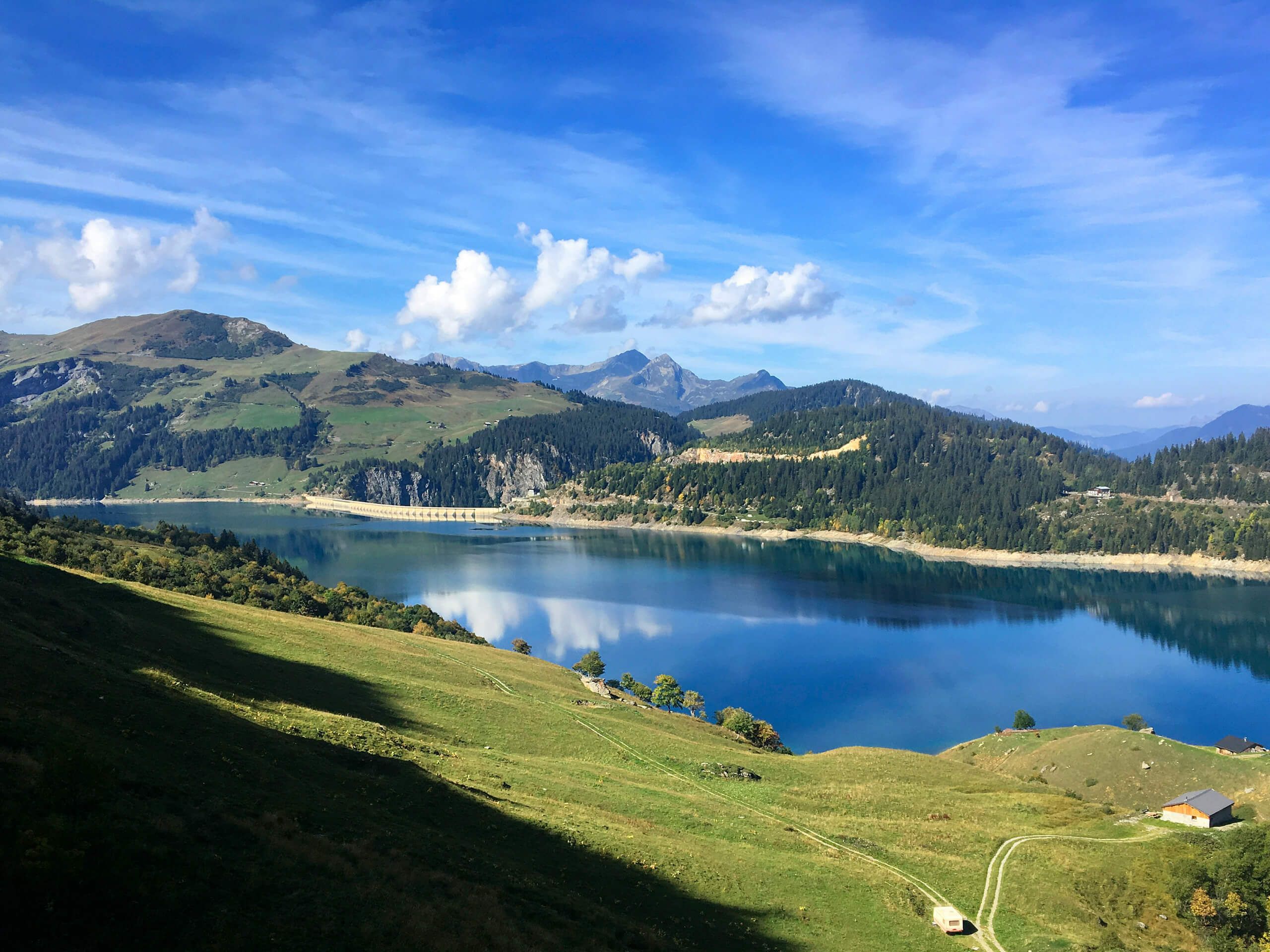
The Tour du Mont Blanc circles the Mont Blanc massif through France, Italy, and Switzerland and is one of Europe's best-known long-distance mountain routes. Just to the southwest, the Beaufortain has high passes, green valleys, mountain huts, alpine lakes, and views toward Mont Blanc without following the TMB circuit.
The Beaufortain can be walked on the Self-Guided Beaufortain Loop Trek, a seven-day moderate hut-to-hut circuit. Most of the walking stays within the Beaufortain massif, making it a good fit for hikers who want a quieter week in the French Alps rather than spending the whole trip on the TMB.
2. Instead of the Camino Francés, Walk the Camino del Norte
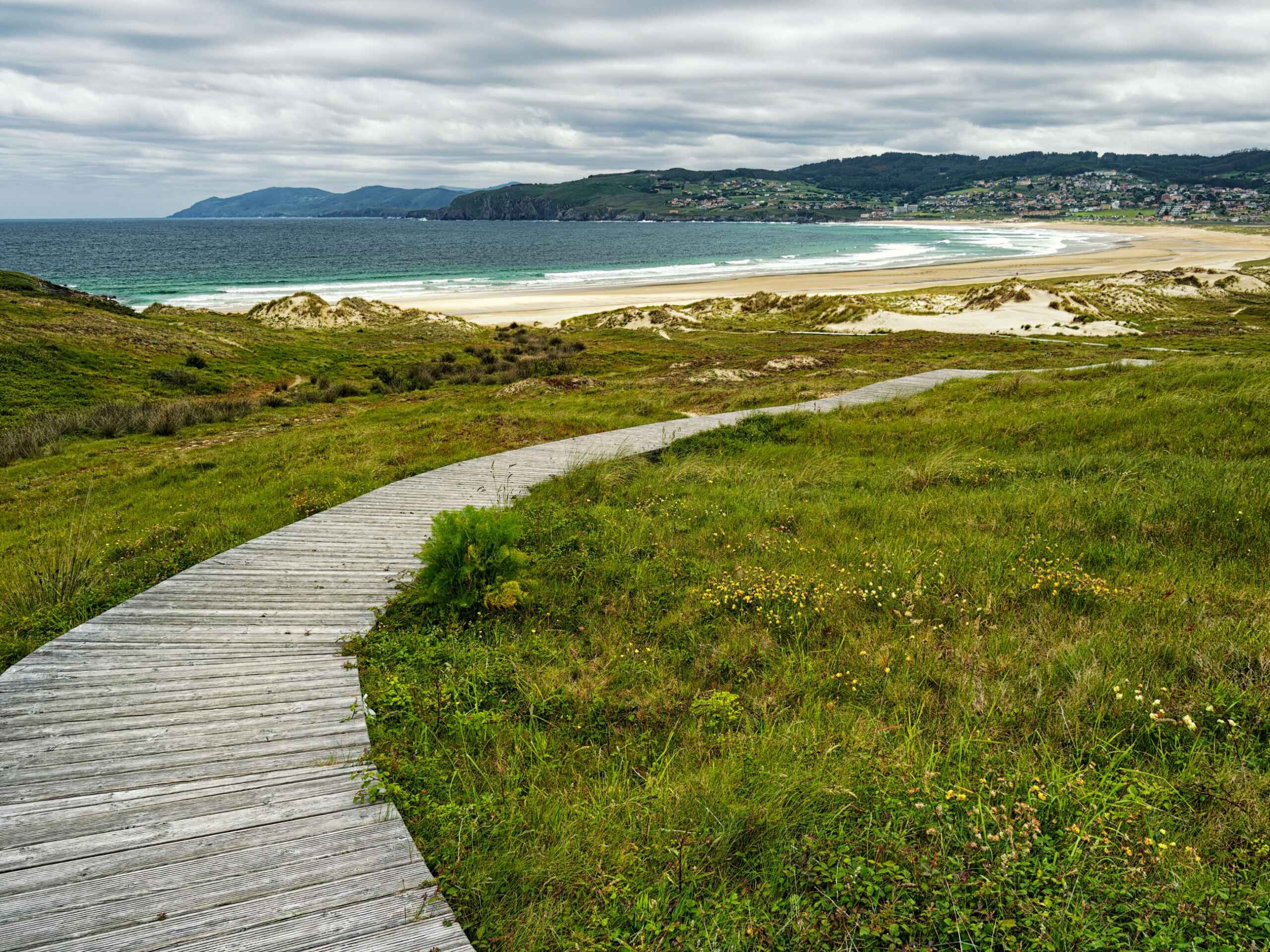
The Camino Francés is the most popular route to Santiago de Compostela, so meeting other pilgrims is a major part of the experience. For more breathing room, the Camino del Norte follows Spain's northern coast before turning inland toward Santiago. It is longer and more demanding, with beaches, green hills, fishing towns, and rugged coastal walking along much of the route.
The Camino del Norte extends for more than 800 km across northern Spain. Pilgrims still finish in Santiago and share the traditions of the Camino, but spend much of the journey on a quieter northern route.
3. Instead of Alta Via 1, Try the High Tatras
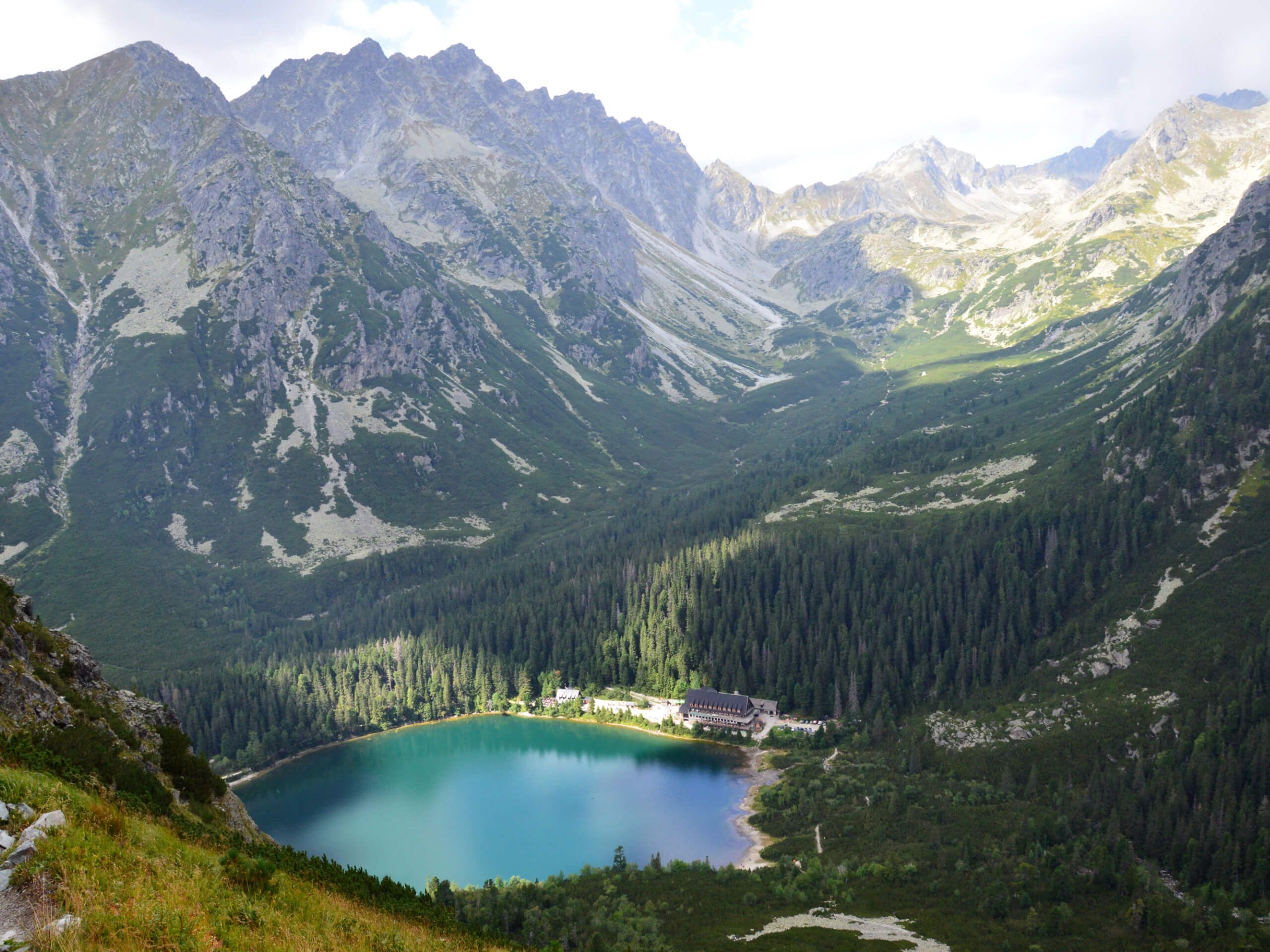
Alta Via 1 delivers the limestone towers, rifugi, high passes, and dramatic valleys that draw hikers to the Dolomites. Its best-known huts and access points can be very busy in peak season. For sharp peaks, alpine lakes, and a strong mountain-hut culture on a lower-profile route, look northeast to the High Tatras on the Slovakia-Poland border.
Across the High Tatras, well-marked trails connect mountain lakes, refuges, wildlife habitat, and high viewpoints. The region tends to feel less crowded than the Alps and Dolomites, while still offering enough routes to build a multi-day hiking trip.
4. Instead of the Laugavegur Trail, Hike Fjallabak
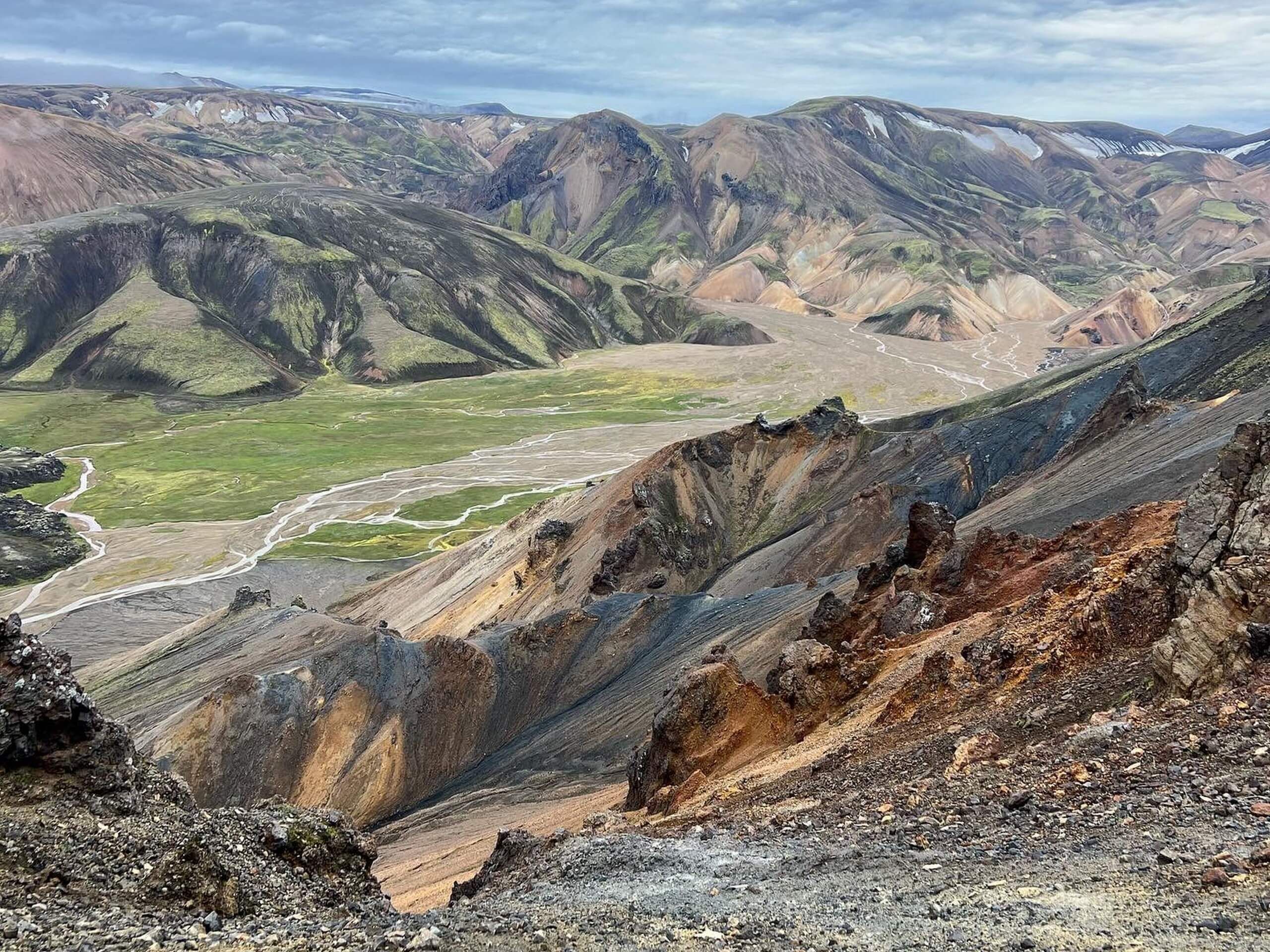
Laugavegur is Iceland's signature multi-day trek, crossing rhyolite mountains, geothermal valleys, lava fields, and black-sand landscapes. If those colours and volcanic features are the reason you want to go, you can stay in the same part of the Icelandic Highlands and step away from the main Laugavegur corridor.
Fjallabak has geothermal areas, lava fields, waterfalls, and peaks such as Mount Löðmund. The four-day Guided Fjallabak Nature Reserve Hiking Tour uses mountain huts and explores less-trodden paths in the same wider region, keeping the volcanic landscapes without following the main Laugavegur corridor.
5. Instead of the West Highland Way, Walk the Rob Roy Way
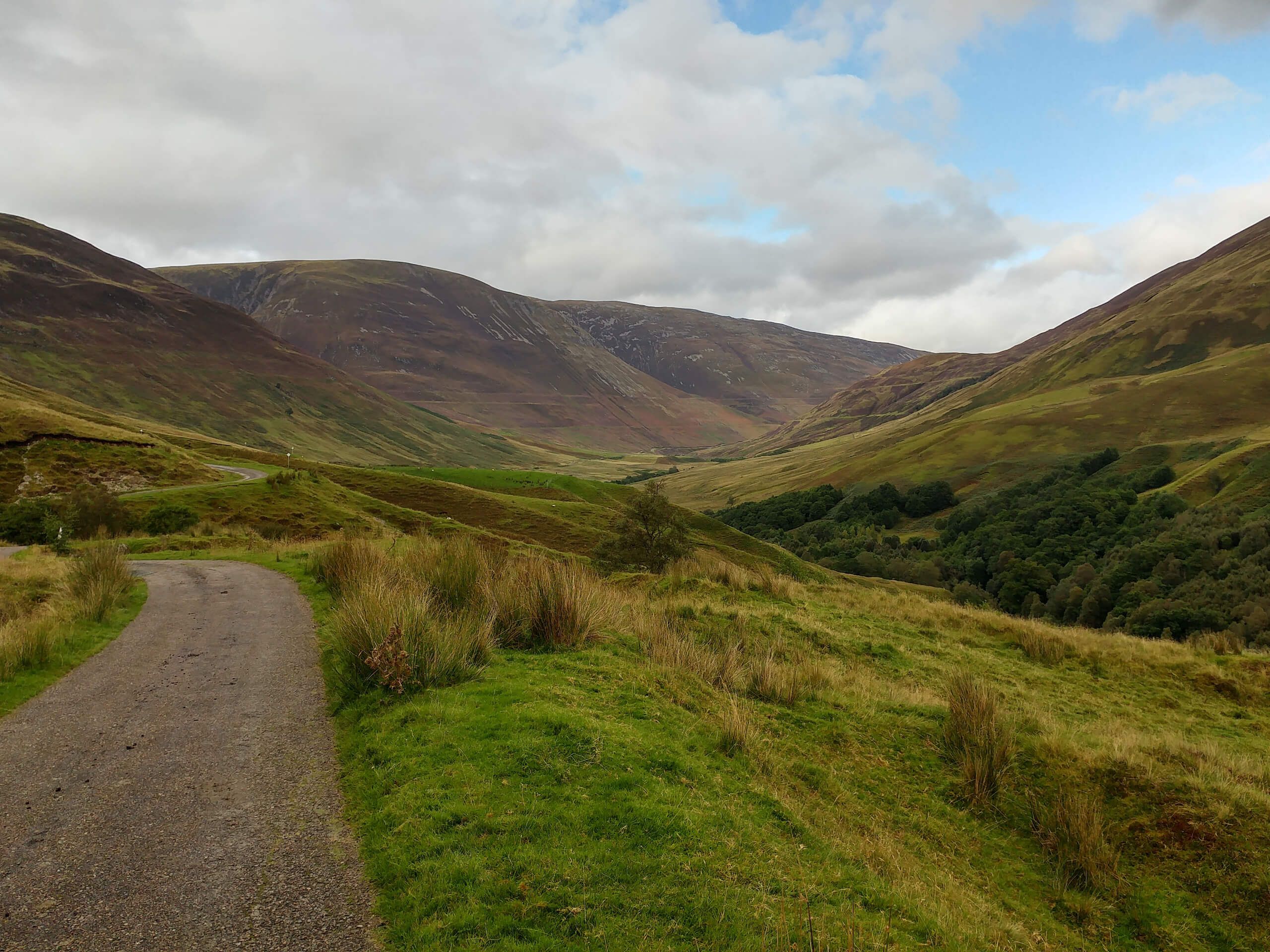
The West Highland Way has become the defining long-distance walk in Scotland, linking Milngavie with Fort William through Loch Lomond, Rannoch Moor, and Glencoe. The Rob Roy Way begins near the same southern gateway at Drymen but turns east toward the Trossachs and Perthshire.
The Rob Roy Way covers about 127 km from Drymen to Pitlochry, passing lochs, forested glens, and places associated with Rob Roy MacGregor. It offers a quieter long-distance walk for hikers interested in Scottish history, loch scenery, and village-to-village walking.
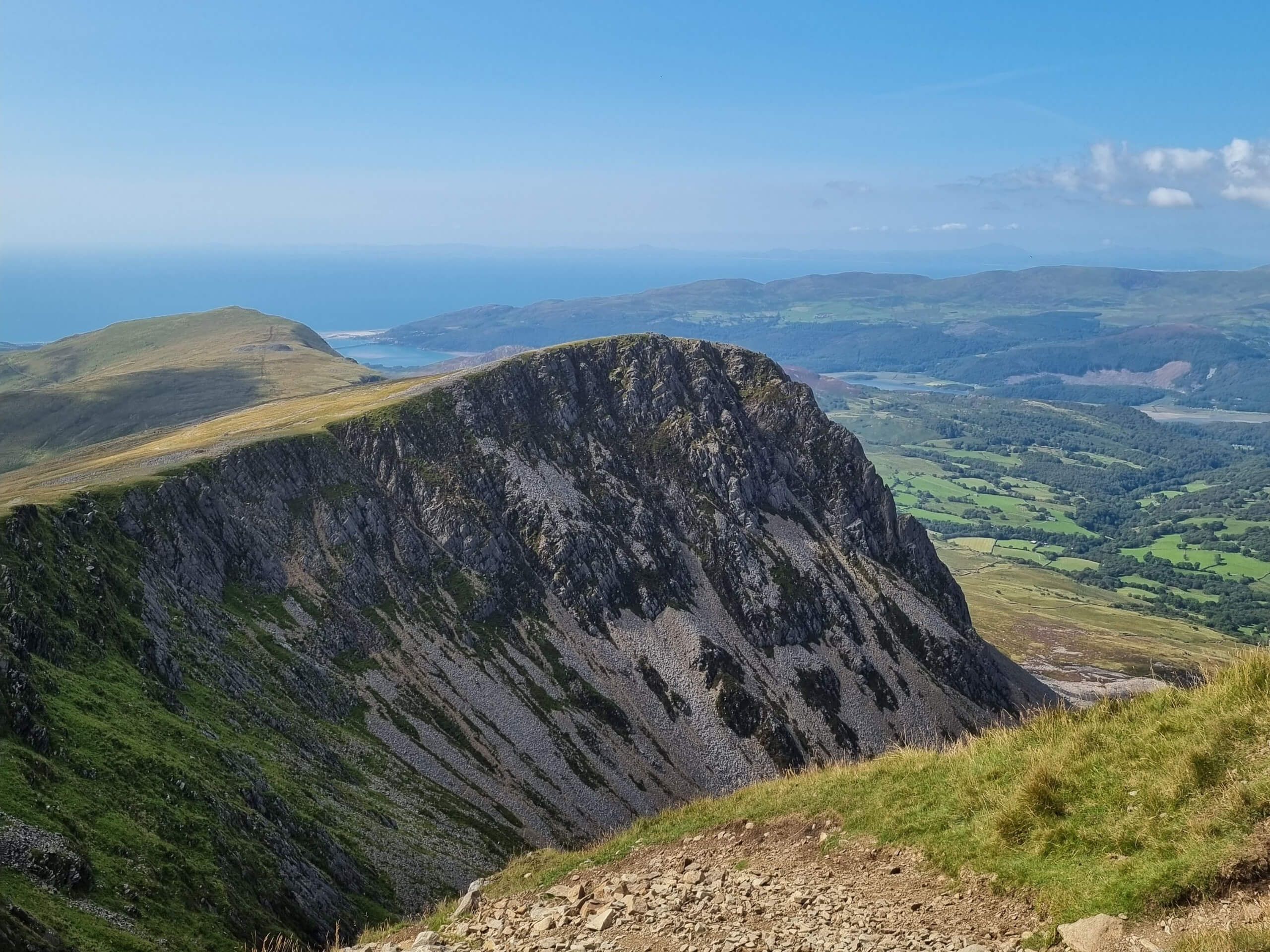
6. Instead of Snowdon's Busiest Tracks, Hike the Nantlle Ridge
The Pyg Track and Llanberis Path are among the busiest routes up Yr Wyddfa, or Snowdon, and the summit can be extremely busy in good weather. Experienced walkers who want a bigger sense of space can look west to the Nantlle Ridge, which sits in the shadow of the Snowdon range.
The Nantlle Ridge Walk combines open ridge walking, mountain views, and sections of hands-on scrambling. It is a more serious outing than the standard Snowdon paths, so it is not a like-for-like substitute for beginners. For confident hillwalkers, though, it provides dramatic Welsh mountain scenery on a ridge that feels much less frequented.
7. Instead of the Kerry Way, Walk the Beara Way
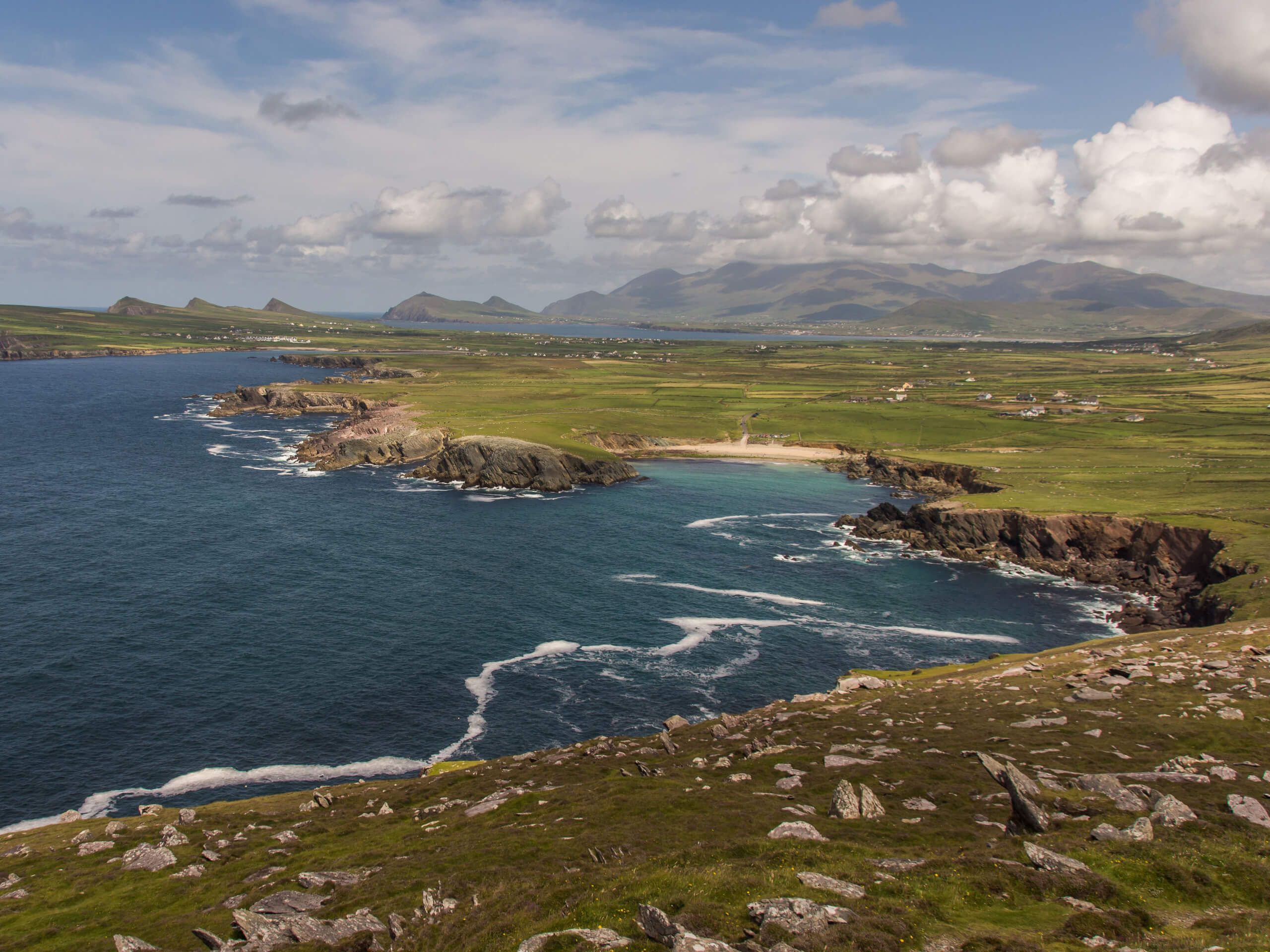
The Kerry Way is one of Ireland's classic long-distance walks, combining mountains, Atlantic coastline, small towns, and the landscapes around the Ring of Kerry. When you continue south, the Beara Peninsula delivers many of the same pleasures on a route that receives far less attention.
The Beara Way can be walked on the Self-Guided Beara Way Hiking Tour, which follows the Caha Mountains, colourful villages, coastal headlands, ancient sites, and remote Dursey Island. It suits hikers who want southwest Ireland's Atlantic scenery and villages on a lower-profile route.
8. Instead of Cinque Terre, Walk the Italian Riviera from Genoa
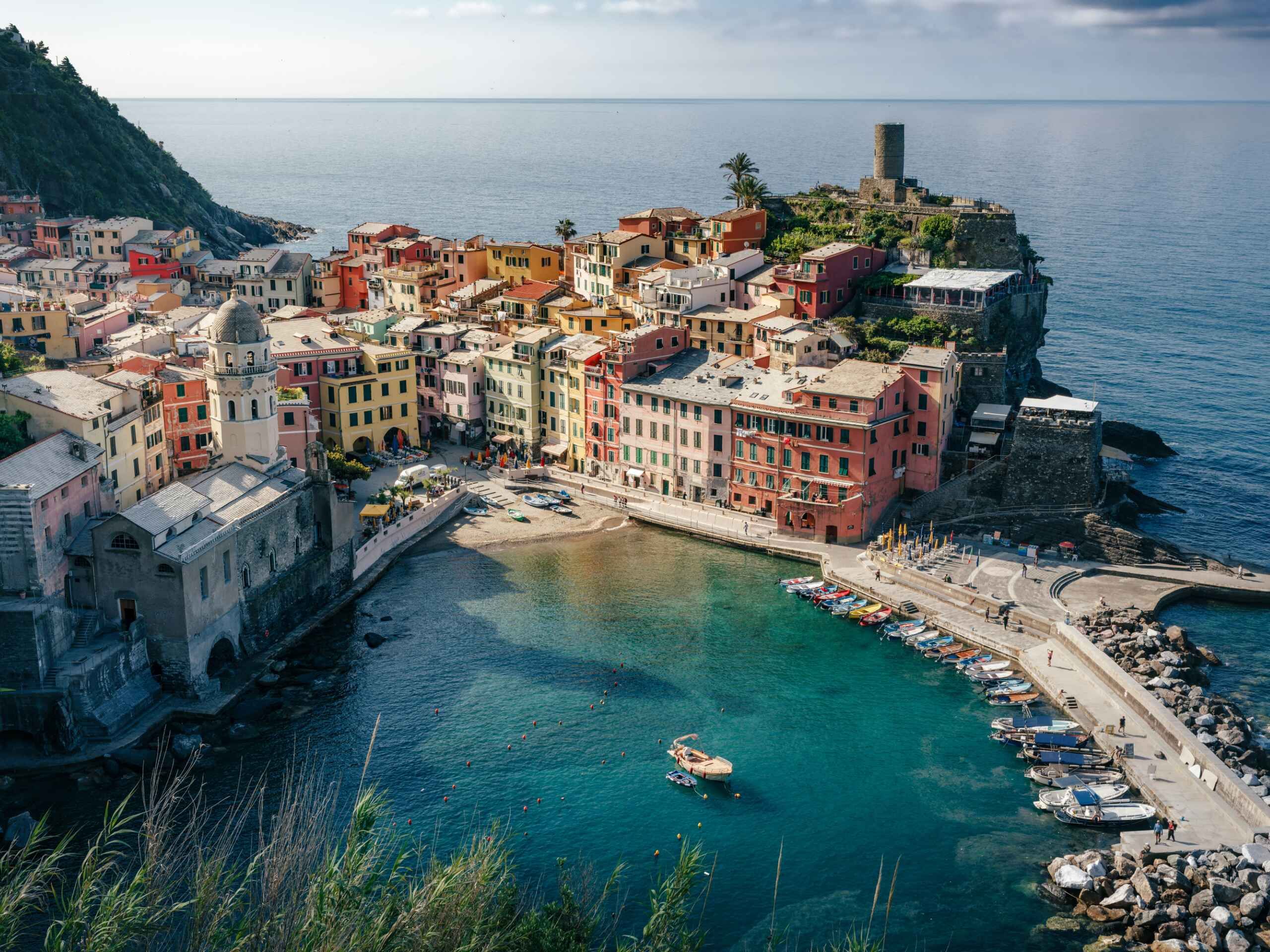
The famous coastal trail between the Cinque Terre villages can be narrow enough that passing other walkers becomes difficult on busy days. Liguria has far more hiking than the five villages, and the coast around Genoa and Portofino offers the same mix of Mediterranean views, historic settlements, forested hills, and seaside food.
The route on the Self-Guided Italian Riviera Trek from Genoa weaves through the Portofino regional park before continuing toward Sestri Levante. It keeps the colourful coastal villages, sea views, and forested hills that draw hikers to Cinque Terre, but spreads the walking across a broader stretch of the Ligurian Riviera.
9. Instead of the Path of the Gods, Go Higher on the Amalfi Coast
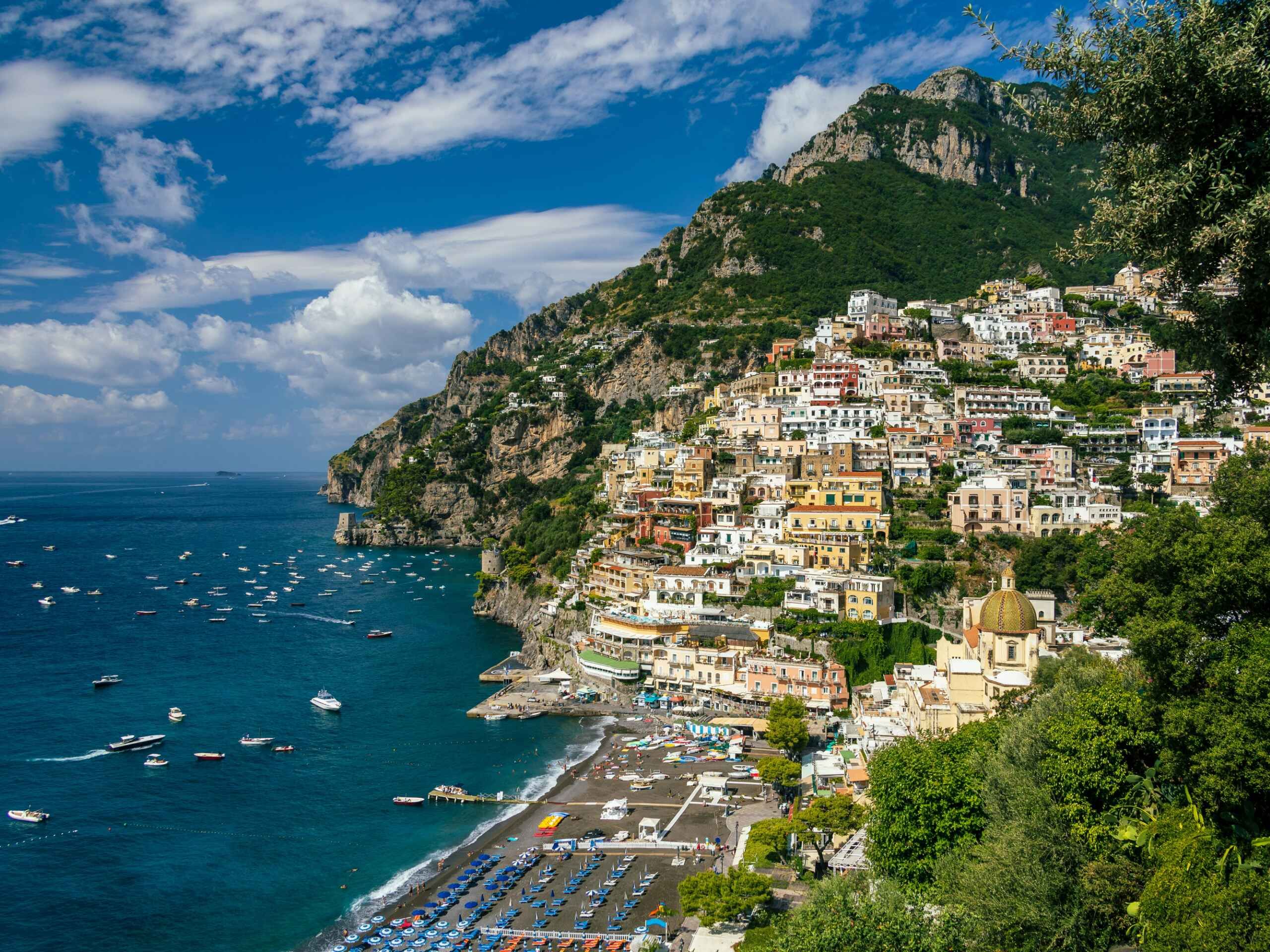
The Path of the Gods is the Amalfi Coast hike almost everyone knows, and that reputation brings plenty of company during the main travel season. The coast does not end at the famous path. Higher routes above the sea link mountain villages, old mule tracks, ridges, and quieter inland sections where the landscape feels much more rugged.
Routes above Agerola and Ravello form part of several Self-Guided Amalfi Coast Hiking Tours, with more time on mountain paths than a single day on the Path of the Gods. These higher trails keep the Mediterranean backdrop while moving into a less developed side of the coast.
10. Instead of the Cares Gorge, Walk the Sierra de Guara
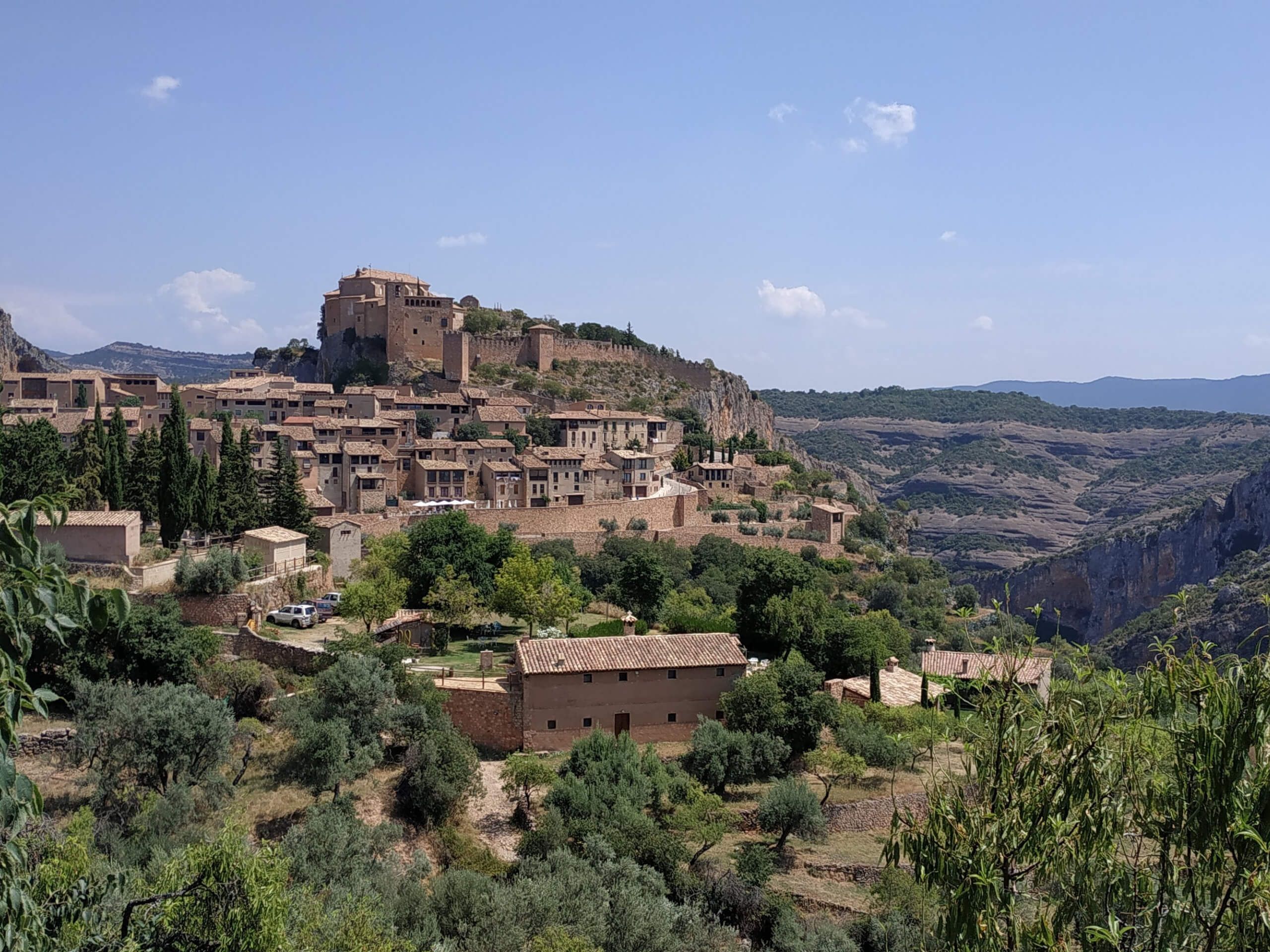
The Cares Gorge in the Picos de Europa is one of northern Spain's most celebrated mountain walks, with a cliff-cut path above the river and dramatic limestone walls. For another Spanish landscape built around deep canyons and rocky mountain scenery, the Sierra de Guara in Aragón offers a much more sparsely populated setting.
The Self-Guided Sierra de Guara Walking Tour spends eight days among river canyons, Mediterranean hills, prehistoric caves, Romanesque chapels, and small Aragonese villages. Rather than concentrating on a single gorge, the route moves through several landscapes and settlements across this quiet mountain region.
How to Find Quieter Hiking Trails in Europe
Timing matters as much as route choice. June, July, and August still pull in the most hikers across much of Europe, especially on sunny weekends. Spring and early autumn often provide a better balance of open trails, comfortable temperatures, and fewer people. In the high mountains, snow and hut opening dates can shorten the practical season.
It also helps to look beyond the famous trailhead. High-level variants, secondary valleys, lesser-known pilgrimage branches, and neighbouring mountain ranges often preserve the scenery that made the headline route famous in the first place. A quieter trail may be harder, longer, or less convenient, so compare terrain and logistics rather than choosing on crowd levels alone.
Frequently Asked Questions
Are these trails completely uncrowded?
No. Popularity changes by season, weather, and day of the week, and some of these alternatives are well known in their own regions. Quieter does not mean empty, especially on summer weekends and during local holidays.
Are quieter alternatives usually harder?
Sometimes. Routes such as the Nantlle Ridge and High Tatras can be more demanding than the famous trail they replace. Others, including the Beaufortain Loop and Beara Way, are approachable for regular hikers. Always compare daily distance, ascent, exposure, and navigation before choosing.
When is the best time to avoid crowds on European hiking trails?
Late spring and early autumn are often quieter than July and August, but the best period depends on elevation and location. Alpine routes may still hold snow early in the season, while Mediterranean walks can be hot in midsummer and excellent later into autumn.
Nadine Gravis
Sep 16, 2026
Whether exploring Algonquin Provincial Park by canoe, or hiking Torres del Paine, Nadine loves spending time outdoors and sharing about her experiences.
Recent stories
Destinations
Best Family Adventure Tours for Kids 12 and Under
As most parents know, family adventure travel is hard to plan while your children are young.
Richard Campbell
Sep 16, 2026

Destinations
How Much Does the Tour Du Mont Blanc Cost?
How much does the Tour du Mont Blanc cost in 2026?
Kelsey Krahn
Sep 15, 2026
Destinations
Tour du Mont Blanc Trek: Your Complete 2026 Guide
The Tour du Mont Blanc ranks as one of—if not the—best long-distance treks in Europe.
Richard Campbell
Sep 15, 2026