
BlogDestinationsWalking in China: Best Walking Trips and Routes
Walking in China: Best Walking Trips and Routes

Kelsey Krahn
Oct 2, 2026
Kelsey hated hiking when she was a kid. Her parents would always force her to venture up mountains with them, and she would always complain about how pointless it was to wind along a path to a "stupid view." But now, you can find Kelsey happily weaving to a collage of stunning views cloaking mountains across the globe!
China offers walking experiences that range from historic routes to high mountain treks. You can spend several days following old and unrestored sections of the Great Wall, climb stone stairways through the granite peaks of Huangshan, walk among the sandstone towers of Zhangjiajie, or travel into the high mountains of Yunnan, Sichuan, and Tibet. Some routes are comfortable day walks. Others are demanding multi-day treks at altitude.
The experience changes sharply by region. A trip can combine mountain scenery with monasteries, villages, historic sites, rice terraces, and major cities rather than focusing only on time on the trail. When comparing routes, consider the terrain, daily walking time, altitude, accommodation style, and the season you plan to travel.
Have we piqued your interest? This Guided China Hiking Trips collection includes multi-day routes on the Great Wall and in Yunnan, Sichuan, and Tibet.
What Are Walking Trips in China Like?
Like we alluded to above, China does not have one single style of walking holiday. Around Beijing, walking can be historical, with long days following ridges and watchtowers along the Great Wall. In Anhui and Hunan, established mountain paths and stairways connect scenic viewpoints. In southwest China, the walking becomes more remote, with high valleys, Tibetan villages, guesthouses, camps, and long days in the mountains.
Walking conditions vary considerably across China. The Great Wall and eastern mountain areas involve steep climbs and long stairways, while routes in West Sichuan and Tibet add altitude, remoteness, and several consecutive days on foot.
Best Walking Trips and Routes in China
1. The Great Wall of China
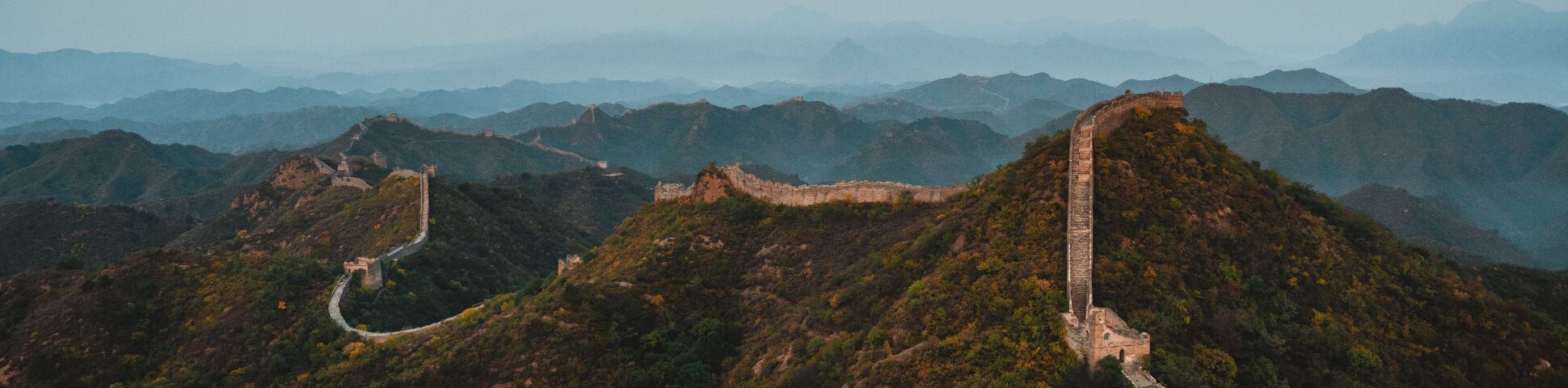
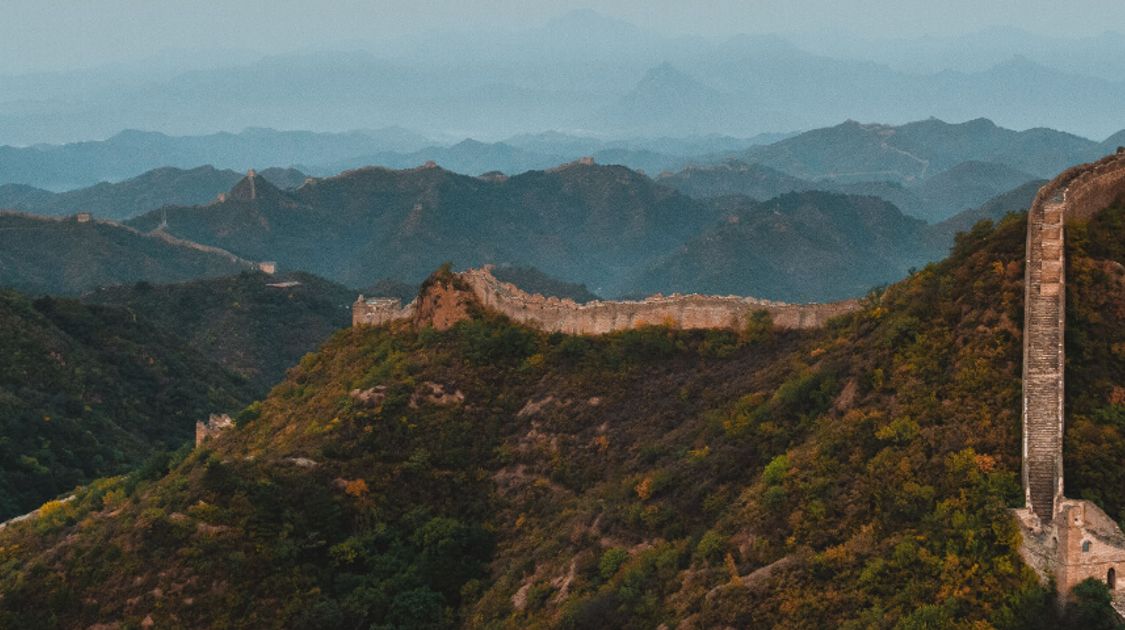
Multi-day walks on the Great Wall go well beyond a short sightseeing stop near Beijing. Routes can link restored and wilder sections, moving over steep ridges, through watchtowers, and past stretches where the wall has weathered back into the landscape.
A longer itinerary can include Jiankou, Mutianyu, Huanghuacheng, Gubeikou, Jinshanling, and Simatai. Distances are not always large, but repeated climbs and descents make the walking more demanding than the numbers suggest. Much of the experience comes from spending hours on foot through historic defensive architecture and rural landscapes.
The Guided Great Wall of China Walking Tour is nine days and combines several days on the wall with time in Beijing. Its longer walking days reach around seven and a half hours, with steep sections and some short scrambling.
2. Tiger Leaping Gorge, Yunnan
Tiger Leaping Gorge is one of the best-known walking areas in southwest China. The trail sits high above the Jinsha River, with mountains rising sharply on either side of the gorge. The route combines dramatic mountain scenery with a relatively compact walking itinerary in Yunnan.
It can work as a shorter walking focus within a broader Yunnan trip. Lijiang and Shangri-La make it possible to combine the gorge with old towns, monasteries, and higher mountain areas without turning the entire journey into a long expedition.
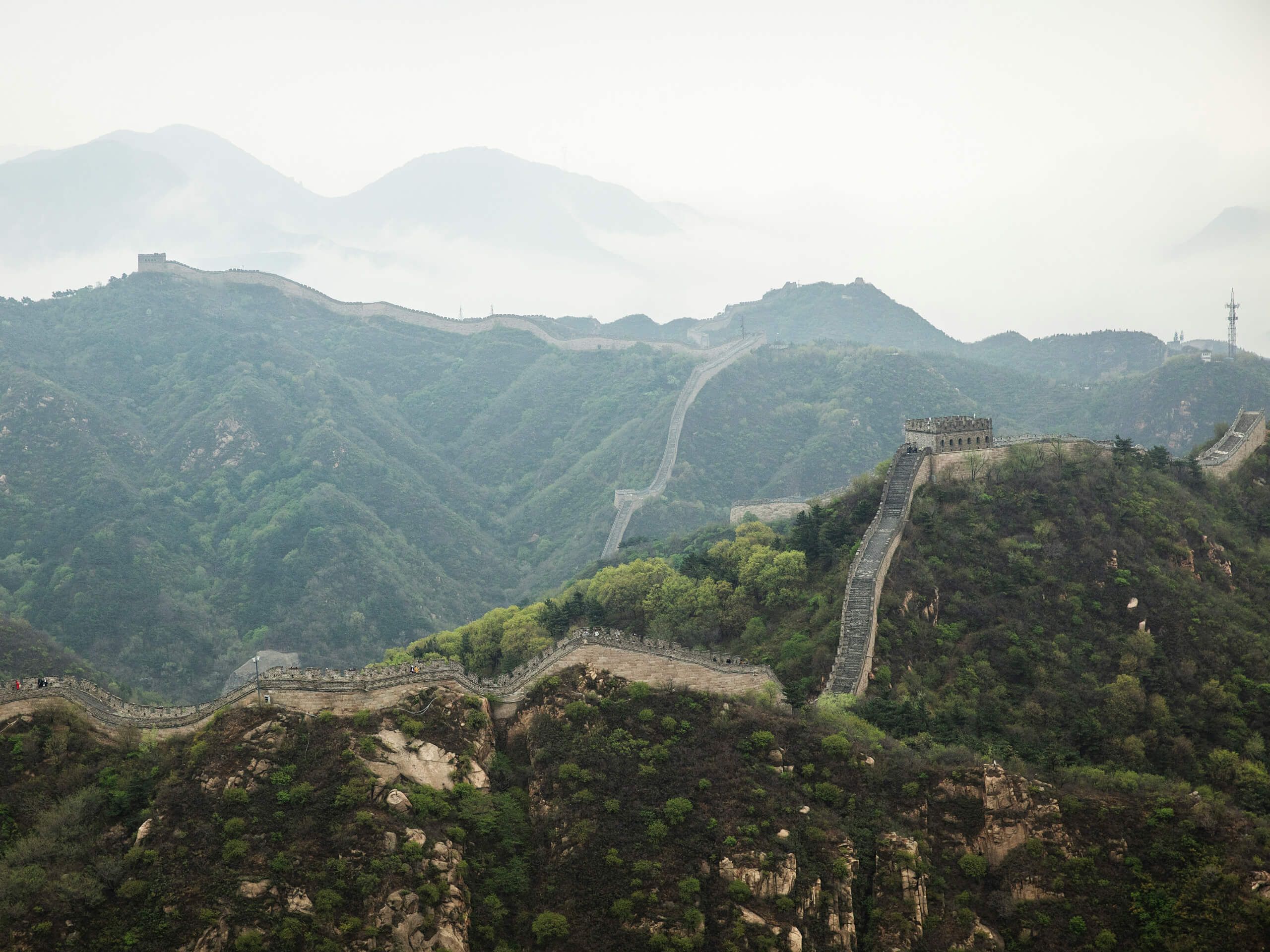
The Great Wall of China
3. Huangshan, or the Yellow Mountains
Huangshan in Anhui Province is known for granite peaks, old pine trees, cloud-filled valleys, and stone pathways that have influenced Chinese painting and literature for centuries. Much of the walking follows constructed steps and paths between viewpoints rather than remote wilderness trails.
The challenge at Huangshan often comes from sustained climbing and descending on stone stairs. A visit can be built around sunrise viewpoints, ridge walks, and an overnight stay in the mountain area rather than a long point-to-point trek.
4. Zhangjiajie and Wulingyuan
Zhangjiajie and the wider Wulingyuan Scenic Area in Hunan are known for thousands of narrow sandstone pillars rising above forested ravines. Walking here is less about covering a long-distance trail and more about connecting viewpoints, forest paths, stairways, and different parts of the scenic area over several days.
Most walking in Zhangjiajie takes place on established paths, stairways, and viewpoint routes rather than high-altitude mountain trails. The area can be busy around major viewpoints, so allowing more than one day gives you time to explore beyond the quickest sightseeing circuits and vary the amount of walking each day.
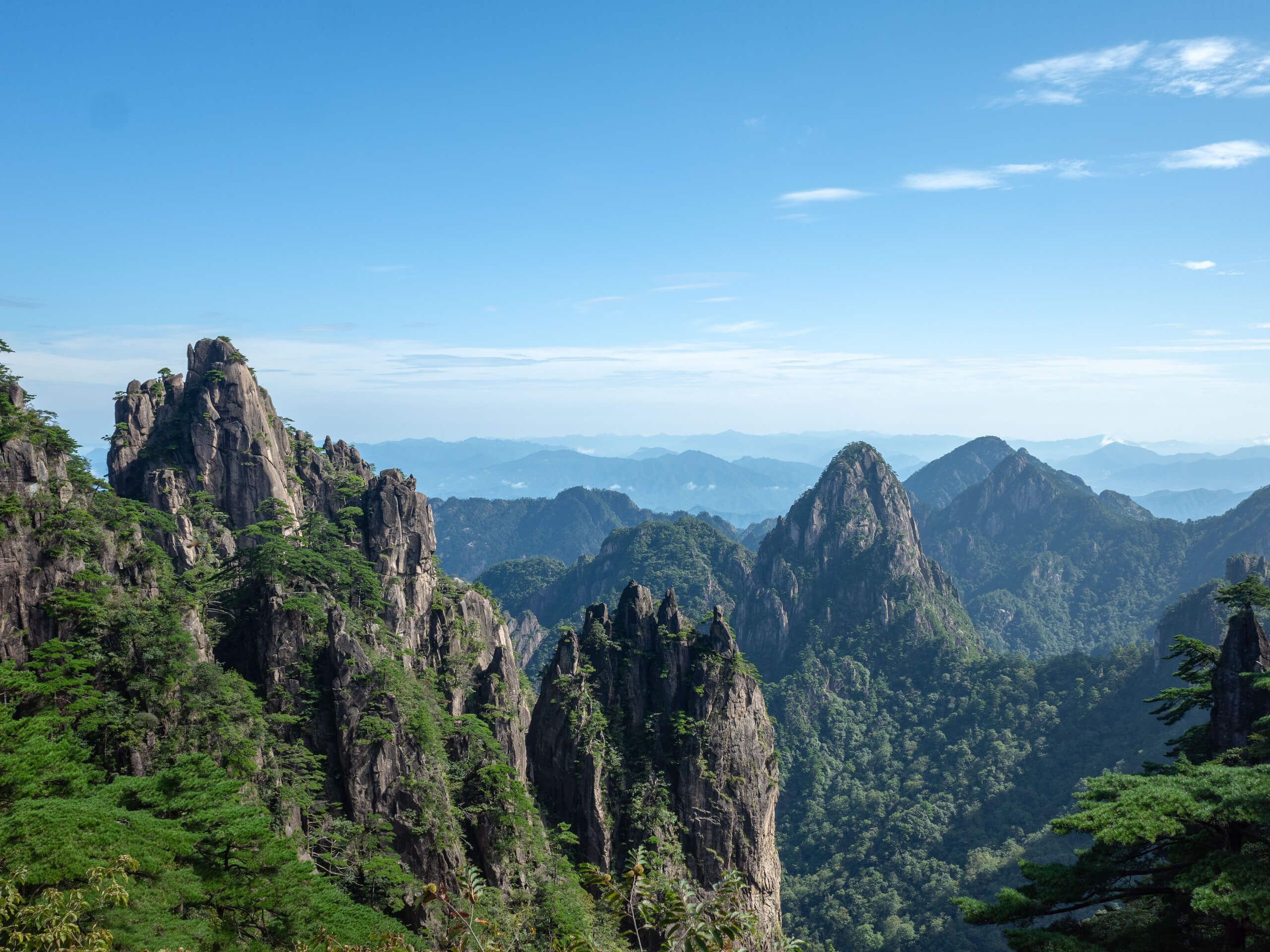
Huangshan, or the Yellow Mountains
5. Meili Snow Mountains and Yubeng, Yunnan
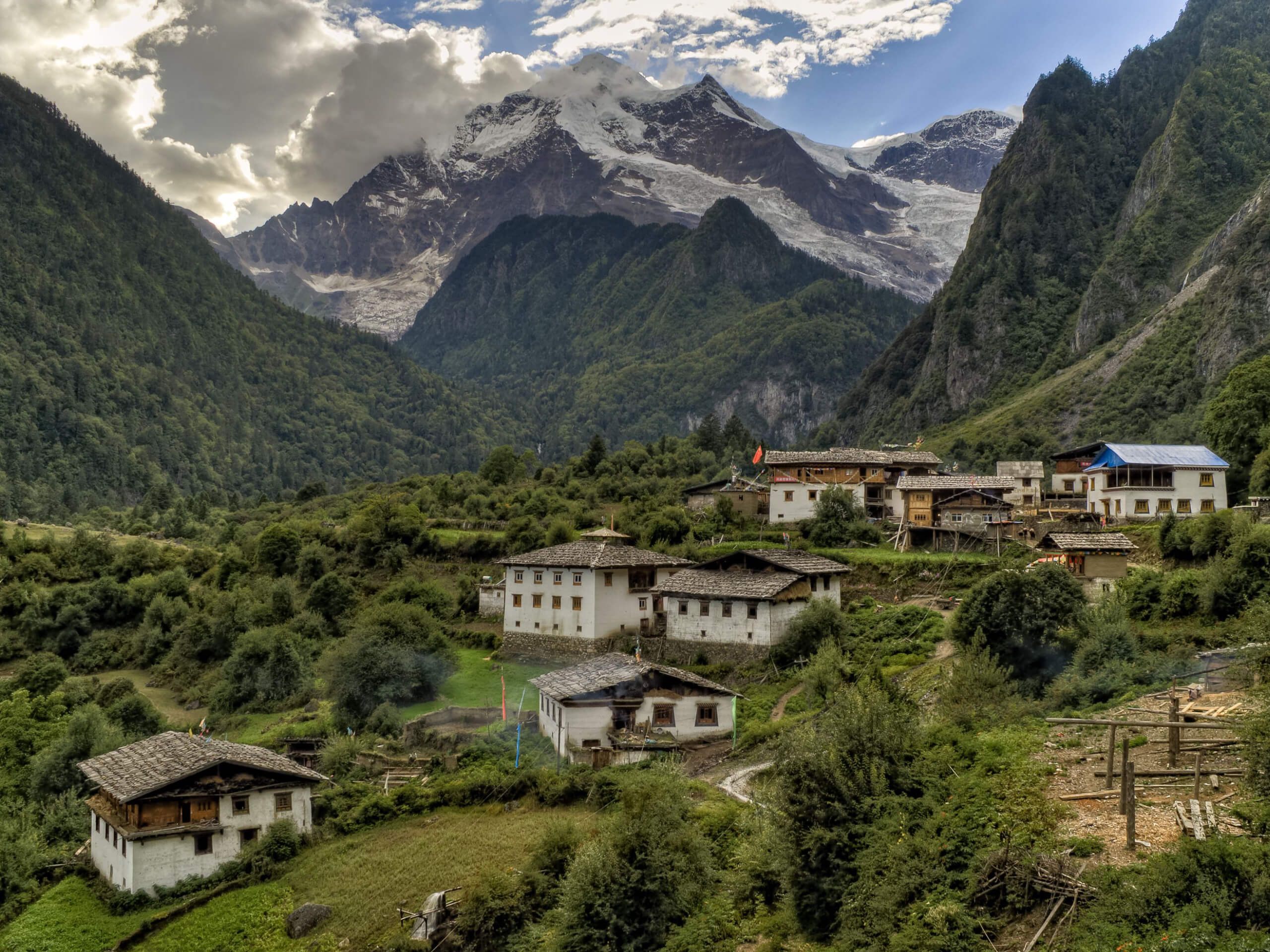
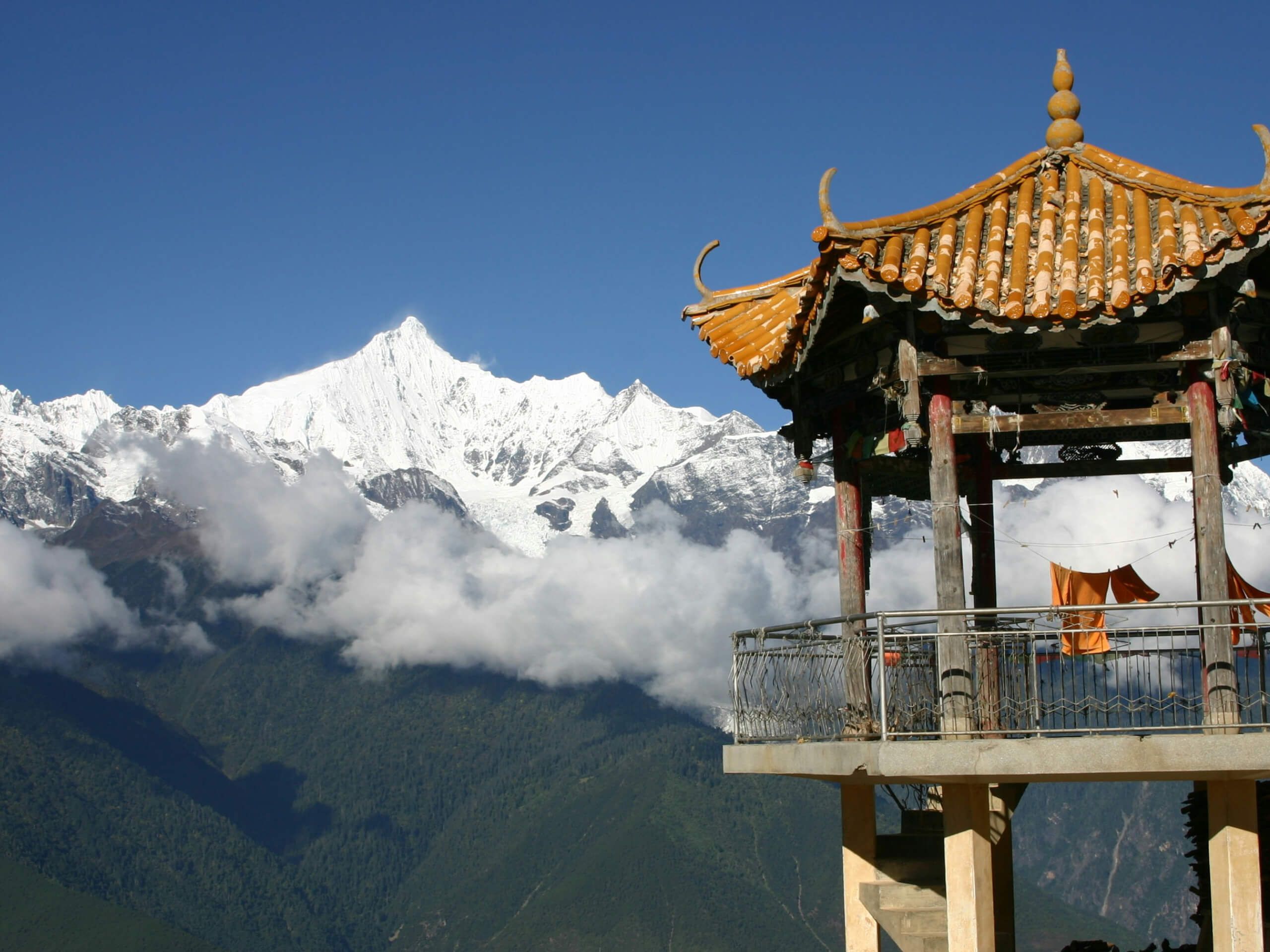
Around the Meili Snow Mountains, walking shifts into a higher alpine environment. Walks around Yubeng pass through forest and mountain villages toward places such as the Sacred Waterfall and Ice Lake. The experience combines Tibetan Buddhist culture with long mountain days and elevations well above 3,000 m.
Unlike a route that changes accommodation every night, some itineraries use Yubeng as a base for day walks. That can make the logistics simpler while still giving access to demanding mountain terrain. Guesthouse accommodation also offers an alternative for walkers who want a serious mountain trip without camping every night.
The Guided Meili Snow Mountains Trek is a nine-day trip with several days on foot in Yunnan. Those seeking a challenge will appreciate that this trek is rated Hard (4/5) and includes walking at elevations around 3,000 to 3,900 m.
6. Four Sisters Mountain, West Sichuan
Four Sisters Mountain, also known as Siguniang Shan, offers a more expedition-like walking experience in West Sichuan. The route combines high valleys and camps with visits to villages and Tibetan Buddhist sites, so the trip is not separated from the culture of the region.
Four Sisters Mountain involves long mountain days, camping, and more basic accommodation. Consecutive walking days can reach eight hours, so prior experience with sustained days in the mountains is useful.
The Guided Four Sisters Mountain Trek runs for nine days and is also rated Hard (4/5). Current departures are concentrated in May to June and September to October.
Meili Snow Mountains and Yubeng, Yunnan
7. The Tibetan Plateau in West Sichuan
West Sichuan also offers longer routes through alpine forests, high lakes, glaciers, hot springs, and villages influenced by both Tibetan and Chinese culture. The landscape is broad and exposed, with peaks above 5,000 m forming the backdrop to sections of the walk.
Trips here tend to mix road transfers, village stays, mountain hostels, and camping. These itineraries cover a broad region rather than a single named trail and require comfort with consecutive mountain days, changing accommodation, and remote terrain.
The Guided West Sichuan Tibetan Plateau Trek is an 11-day trip with three camping nights and departures from April to June and September to November. It is also ranked Hard (4/5)!
8. Mount Kailash, Tibet
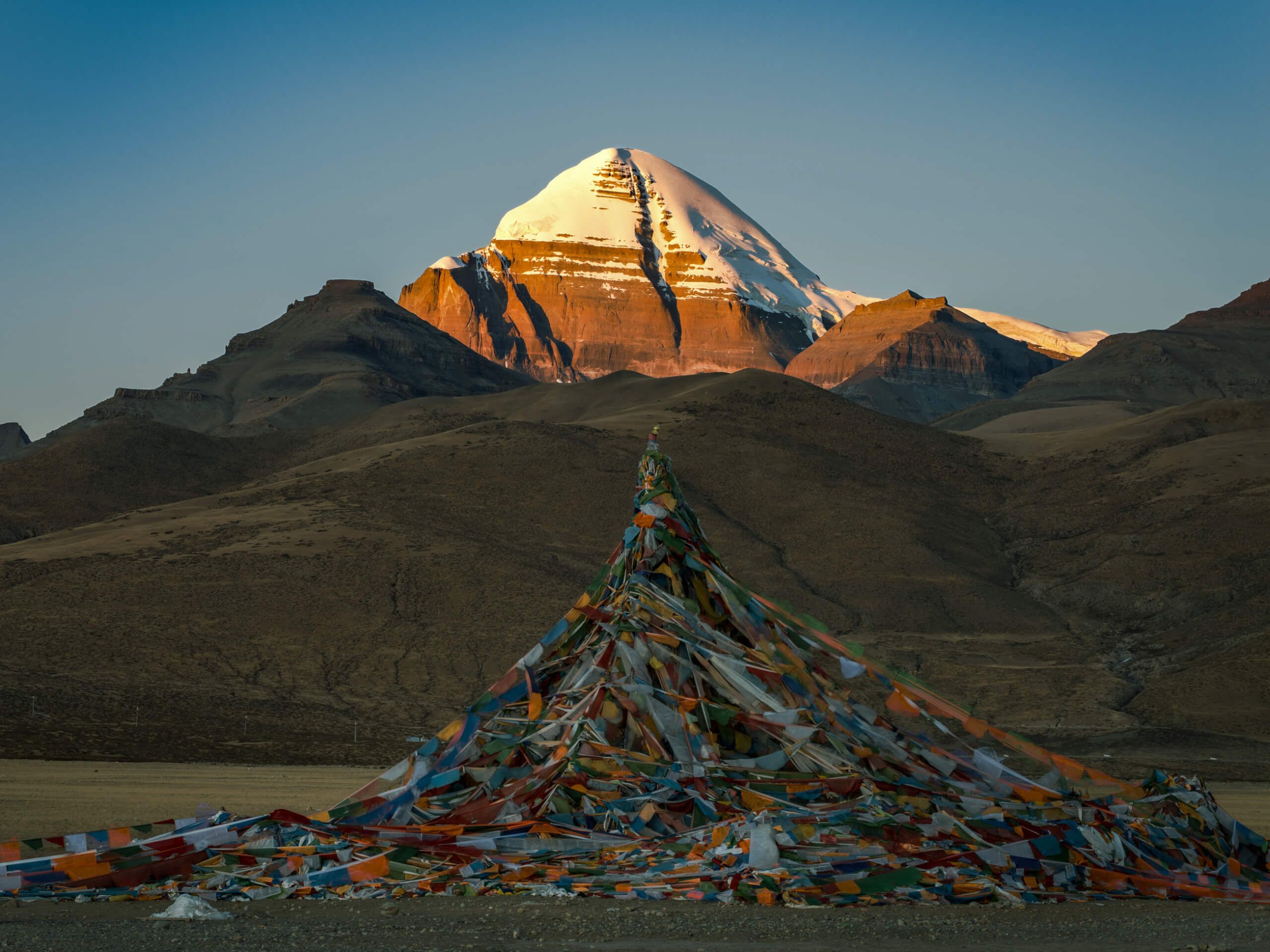
At Mount Kailash, the walk follows an ancient pilgrimage circuit, or kora, around a sacred mountain that is important to several religions. The three-day circuit forms one part of a much longer journey through Tibet, with time in Lhasa and other high-altitude locations before and after the walk.
Altitude is the central difficulty. Lhasa already sits at about 3,650 m, and the journey continues to much higher elevations before the kora begins. This is therefore a route for travellers who are specifically prepared for high-altitude walking rather than someone choosing their first mountain holiday.
The Guided Mount Kailash Trek is 14 days, rated Very Hard 5/5, and currently operates from May to October. The itinerary includes acclimatization time in Lhasa before the Mount Kailash circuit.
Mount Kailash, Tibet
When Is the Best Time for Walking in China?
Walking seasons vary sharply by region and elevation. Spring and autumn often provide more moderate temperatures in many parts of China, while the Great Wall can be walked across a broader part of the year. Conditions still vary considerably between winter, midsummer, and the shoulder seasons.
The higher mountains need more careful timing:
- Current Meili Snow Mountains departures run in April and from June through October.
- Four Sisters Mountain is concentrated in May to June and September to October.
- West Sichuan trips operate from April to June and September to November.
- Mount Kailash itineraries run from May to October.
Weather and access can still change, especially at altitude, so the exact route should determine your dates rather than a country-wide rule.
How Difficult Are Walking Trips in China?
Difficulty ranges from maintained scenic paths to sustained high-altitude trekking. A day in Zhangjiajie or a shorter Huangshan itinerary may involve plenty of stairs and climbing but little remoteness. And a multi-day Great Wall trip adds repeated steep ascents and descents. Then, Yunnan and Sichuan introduce longer mountain days and higher elevations, while Tibet adds sustained altitude that changes how even ordinary walking feels.
Before choosing a route, look beyond the total trip length. Check the longest walking day, elevation reached, number of consecutive walking days, accommodation style, and whether camping is involved. Someone comfortable with a long day on maintained paths may still find four consecutive high-altitude trekking days difficult.
Meili Snow Mountains
Guided or Independent Walking in China?
Established scenic areas such as Huangshan and Zhangjiajie have visitor infrastructure, while remote mountain routes in western China require more planning. Multi-day trips in Yunnan and Sichuan can involve complicated transport, accommodation, route logistics, and altitude considerations.
Tibet requires additional planning and permits. The Mount Kailash trip includes local guides and the required Tibet and Kailash permits. For remote routes, a guided trip can also coordinate transfers, guesthouses or camps, luggage support, and local access. Whatever style you choose, check current entry requirements, regional access rules, insurance coverage, and government travel advice before departure.
Frequently Asked Questions
What is a good first walking trip in China?
For travellers who want several days on foot without committing to very high altitude, the Great Wall offers a clear introduction. Huangshan and Zhangjiajie also work well for shorter mountain-focused trips with established visitor infrastructure.
Where can I combine walking with culture in China?
The Great Wall combines walking with Beijing and historic defensive architecture. Yunnan and West Sichuan add villages, monasteries, and Tibetan cultural influences, while Mount Kailash is centred on a major pilgrimage route.
Do I need to be an experienced trekker?
Not for every trip! The Great Wall, Huangshan, and Zhangjiajie can be approached in different ways, but the harder routes in Yunnan, Sichuan, and Tibet are better suited to walkers with experience of consecutive mountain days and, where relevant, altitude.
Is walking in China mostly high altitude?
No. China has low and moderate elevation walking as well as very high mountain routes. Altitude becomes a major factor in parts of Yunnan, West Sichuan, and Tibet, especially on Mount Kailash itineraries.
Beyond dedicated walking trips, some Guided China Adventure Tours combine time on foot with other outdoor activities and cultural stops.
Kelsey Krahn
Oct 2, 2026
Kelsey hated hiking when she was a kid. Her parents would always force her to venture up mountains with them, and she would always complain about how pointless it was to wind along a path to a "stupid view." But now, you can find Kelsey happily weaving to a collage of stunning views cloaking mountains across the globe!
Recent stories
Destinations
Walking in Portugal: Best Walking Trips and Routes
Portugal packs an unusual amount of variety into a relatively small country.
Nadine Gravis
Oct 5, 2026
Destinations
Tour du Mont Blanc Map: Route, Variations and Key Stops
The Tour du Mont Blanc is a long-distance hiking circuit around the Mont Blanc massif, passing through France, Italy and Switzerland.
Lynn Campbell
Sep 28, 2026
Destinations
Trekking in Pakistan: Best Hikes and Walking Routes
Walking in northern Pakistan means high-altitude trekking through glacier valleys, alpine meadows, high passes, and remote settlements beneath some of the world’s highest mountains.
Richard Campbell
Sep 28, 2026