
BlogDestinationsWalking Trips in Tanzania: Kilimanjaro, Mount Meru and Beyond
Walking Trips in Tanzania: Kilimanjaro, Mount Meru and Beyond

Nadine Gravis
Oct 20, 2026
Whether exploring Algonquin Provincial Park by canoe, or hiking Torres del Paine, Nadine loves spending time outdoors and sharing about her experiences.
Tanzania boasts an exciting collection of walking adventures. You’ll find that the trips spanning Kilimanjaro, Mount Meru, and the Unsambara Mountains each offer something a little different. On Kilimanjaro, you can set off for the summit in the dark and still face a long descent after reaching the top. Mount Meru has a shorter itinerary but a steep climb above Arusha National Park. Whereas in the Usambara Mountains, paths lead through forest, farmland and villages, with no high summit to chase.
These places call for various amounts of time and effort. On a mountain trek, the days spent gaining altitude matter as much as the final height. For a gentler walking holiday, the lower trails give you time to explore forests, villages and viewpoints.
Where to go walking in Tanzania
Mount Kilimanjaro
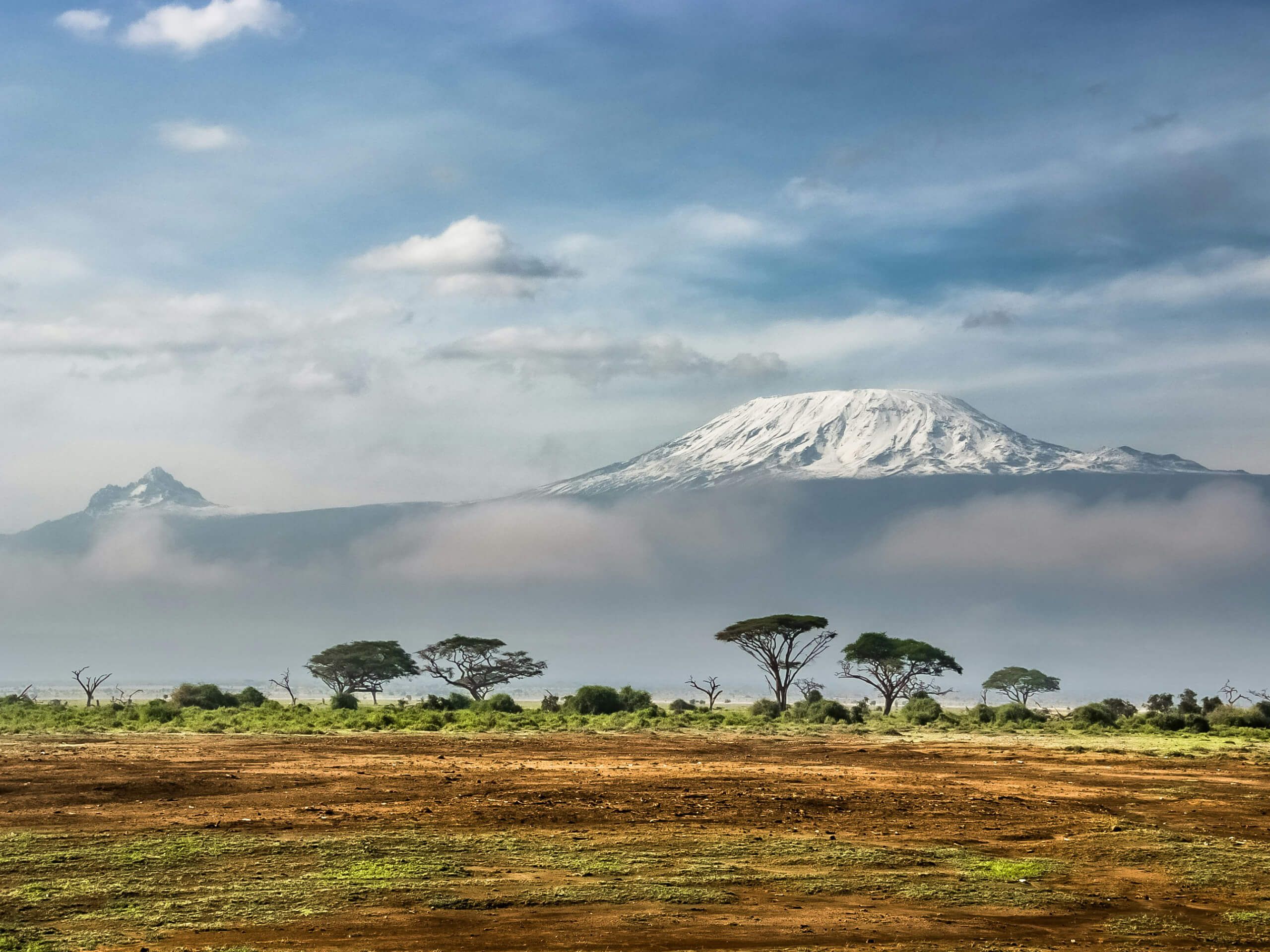
Kilimanjaro rises to 5,895 m (19,341 ft), but the usual routes are treks rather than technical climbs. The challenge is the combination of long days, cold nights, rough footing and thin air. You pass from forest through moorland and alpine desert before the final climb to Uhuru Peak, often beginning that summit push during the night.
Kilimanjaro is a multi-day commitment, even if you are already fit. Climbs begin from different park gates, and accommodation depends on the route: Marangu uses huts while the others use designated camps. Read our Kilimanjaro climbing guide before choosing between the routes.
Choose Kilimanjaro if reaching Africa’s highest peak is the reason you are travelling. Mount Meru gives you another demanding climb with fewer days on the mountain and wildlife on the lower slopes.
Mount Meru and Arusha National Park
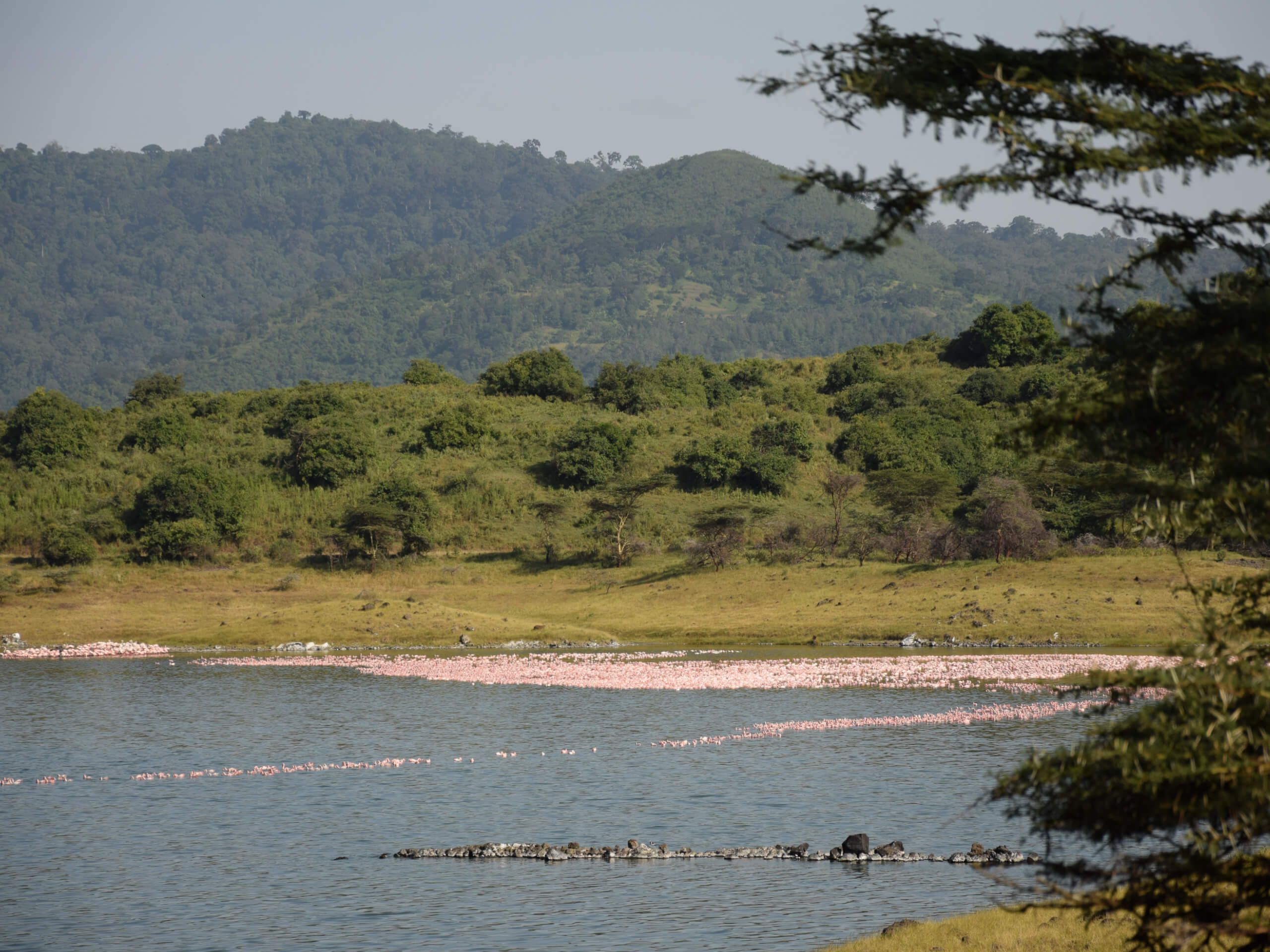
Mount Meru reaches 4,566 m (14,980 ft) within Arusha National Park. The route crosses forest and open mountain terrain before following steeper ground toward the crater rim. Wildlife is one of the striking differences from Kilimanjaro: the lower slopes offer a chance to see animals as well as the mountain.
The guided four-day Mount Meru trek stays at Mirikamba and Saddle huts before a night ascent toward the summit. Its steep upper trail and long descent make this a demanding climb, even with fewer days on the mountain than many Kilimanjaro routes. Meru is a trip in its own right, though some walkers climb it before Kilimanjaro.
The Usambara Mountains
Around Lushoto in the West Usambaras, Magamba Nature Forest Reserve has forest trails, viewpoints and waterfalls. Beyond the reserve, paths through cultivated hills and villages give the walking a different rhythm from the pre-dawn starts of a summit climb.
The Usambaras deserve a few unhurried walking days. Travelling from the Kilimanjaro or Arusha area takes time, so allow for the transfer when planning a trip that visits both regions.
Mount Kilimanjaro
Choosing a Kilimanjaro route
If you’ve decided on Kilimanjaro, the next question is how you want to travel up the mountain. A route name tells you the direction of approach, but the number of days, sleeping altitude and accommodation make as much difference to the experience.
How the main routes differ
Marangu has shared mountain huts instead of tents. The guided six-day Marangu trek includes more time on the mountain than the five-day version, though the summit and long descent are still demanding. The hut accommodation is the main reason to consider this route if camping does not appeal.
Machame approaches from the south, with camps along the way and a climb over the Barranco Wall. Lemosho starts farther west, crosses forest and the Shira Plateau, then joins paths used by other routes. The guided seven-day Lemosho trek spends its first days on that western approach. The Northern Circuit carries on around the mountain’s quieter northern side and generally needs more days.
Two trips on the same route can move at different speeds. Compare the walking days, overnight stops and distance left to descend after the summit.
Arusha National Park
How hard is a walking trip in Tanzania?
A short forest walk in Arusha National Park can fit into a day. Meru and Kilimanjaro ask you to walk on consecutive days, sleep at altitude and keep going after a pre-dawn start. Meru takes fewer days than most Kilimanjaro itineraries, but the ascent is steep. On either summit trek, the hardest day can include loose ground on the way up and hours of descent after reaching the top.
Altitude deserves separate attention from fitness. A strong walker can still develop a headache, nausea or unusual fatigue, all signs of possible altitude illness. Do not continue higher until symptoms resolve; worsening symptoms call for descent. The height at which you sleep each night also affects acclimatization.
Prepare for consecutive walking days, uneven trail and long descents. On guided mountain treks, porters commonly carry group equipment while you keep water, layers, snacks and other essentials in a daypack. Check the luggage allowance and accommodation for your particular trip: Marangu uses huts; other Kilimanjaro routes commonly use tents; the Meru trek uses huts.
When should you go?
January to March and June to October are commonly favoured periods for Kilimanjaro walking, though rain and temperature vary by month and elevation. The mountain is high enough to be cold near the summit in any season. Weather can change quickly, so a calendar label cannot promise clear skies or a dry trail.
Lower walks do not face Kilimanjaro’s summit conditions, though rain can still affect paths and travel. A trip that combines regions needs enough time for transfers as well as walking, particularly if the Usambaras are part of the plan.
How much time do you need?
Allow four trekking days for the Meru itinerary above. Kilimanjaro routes take longer, with the extra days on some approaches giving you more time to gain altitude. Add the night before the climb, flights and onward travel when working out how much leave you need.
A safari after the climb gives your legs a rest and lets you see another side of Tanzania. Leave time to travel to the wildlife area, and check whether the safari is included in the itinerary you choose. A Kilimanjaro trek alone does not include the Serengeti or Ngorongoro.
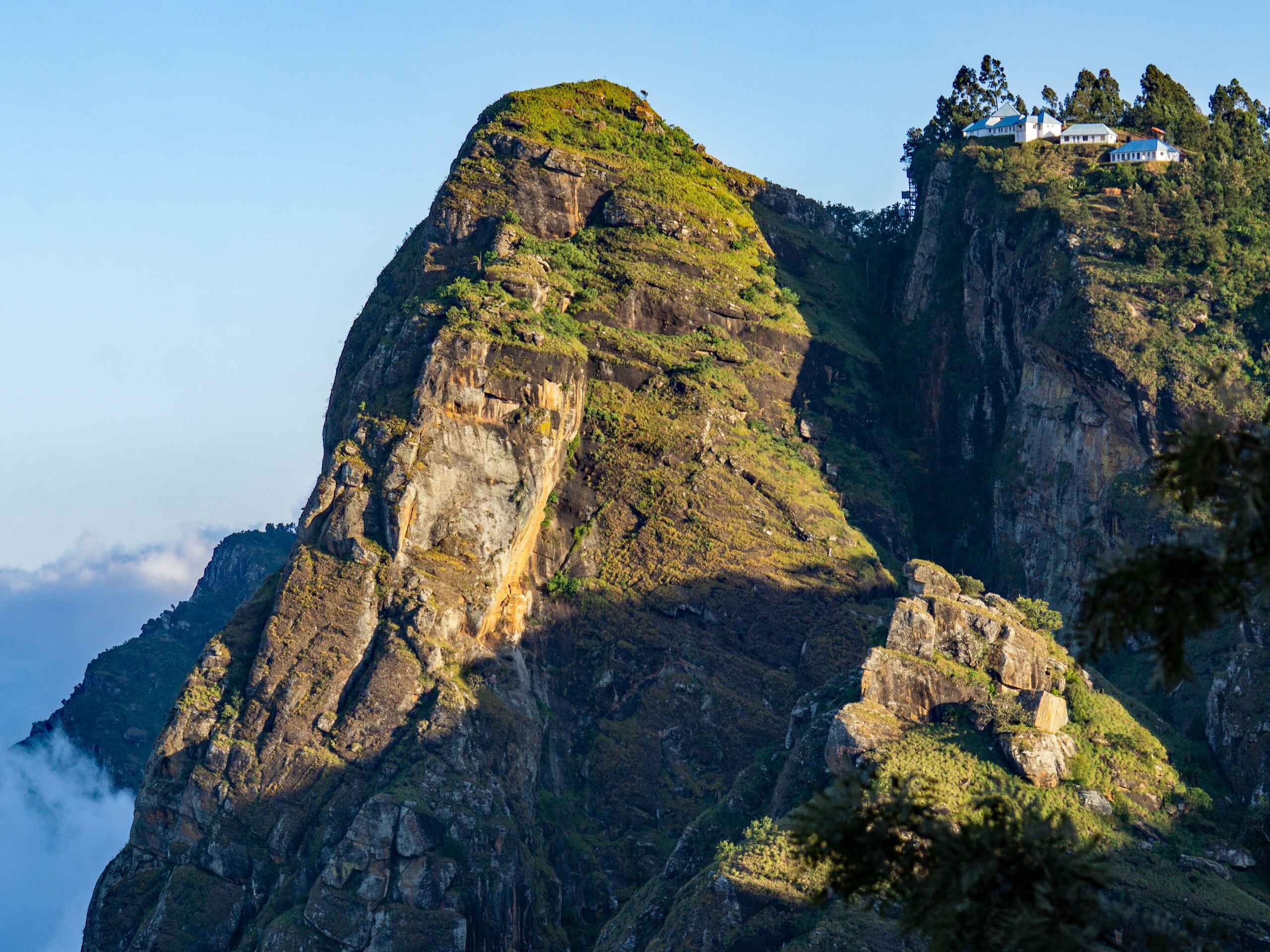
The Usambara Mountains
What to expect from a guided trek
On Kilimanjaro, summit climbs require a licensed operator. The guide and crew organise the route, camp or hut logistics and the group’s movement up the mountain. Read the inclusions for the particular tour to see what is carried, what accommodation is used and where transfers begin and end.
Browse our guided hiking trips in Tanzania to compare Meru and Kilimanjaro itineraries. Look closely at the walking days, overnight stops and descent after the summit.
Frequently asked questions
Are walking trips in Tanzania only about Kilimanjaro?
Nope! Meru is a shorter but still strenuous summit trek. Arusha National Park has walks below the summit, and the Usambara Mountains offer village and forest paths without the same high-altitude climb.
Is Mount Meru easier than Kilimanjaro?
Meru is lower and can be climbed in four days, but its steep trail and altitude still make it a hard climb. Choose it if the route, wildlife and views of the mountain appeal to you.
Do you need a guide for Kilimanjaro?
Yes! Every summit climb is guided through a licensed operator. This applies even to experienced walkers.
Nadine Gravis
Oct 20, 2026
Whether exploring Algonquin Provincial Park by canoe, or hiking Torres del Paine, Nadine loves spending time outdoors and sharing about her experiences.
Recent stories
Destinations
Mount Toubkal Trek: Route, Difficulty, Best Time and What to Expect
Wanting to tackle the Mount Toubkal Trek?
Kelsey Krahn
Oct 17, 2026
Trip reports
Why Walking the Camino in My 50s Was Exactly What I Needed
In September and October 2026, my wife Lynn and I spent 14 days walking the Portuguese Coastal Camino from Porto to Santiago de Compostela.
Richard Campbell
Oct 15, 2026
Destinations
Walking Trips in Chile: Patagonia, Lakes and Atacama
The best walking trip in Chile depends on your preference!
Kelsey Krahn
Oct 14, 2026