
BlogDestinations10 Things to Know Before Hiking the Camino de Santiago After 50 in 2026
10 Things to Know Before Hiking the Camino de Santiago After 50 in 2026
Table of contents

Alex Todd
Jun 6, 2026
Ontario-based Alex combines his love of adventure and history, and has worked as a writer and editor at 10Adventures. He has spent months exploring New Zealand, and loves exploring Europe, from the Swiss Alps to Greek beaches.
There are few journeys in the world as life-changing as walking tour on the Camino de Santiago. For centuries, pilgrims have walked the Camino de Santiago across Spain, Portugal, and France, finding both adventure and meaning. Today, more and more people are discovering the magic of the Camino later in life, with pilgrims over the age of 50 being amongst the biggest groups of people who book a Camino tour. Older pilgrims find that the pace of walking the Camino de Santiago aligns beautifully with the rhythm of reflection.
If you’re considering booking a Camino de Santiago tour after 50, below are ten essential things to know. These 10 tips will help you feel confident, inspired, and ready to take that first step toward completing your pilgrimage to Santiago de Compostela.
What to Expect on the Camino de Santiago in 2026
Planning your Camino for 2026? Here is what is specific to this season:
- 2026 is a standard year: 2026 is not a Holy Year, so the Camino trails are operating at normal capacity. This makes 2026 one of the last good years to walk without the significantly increased demand and higher prices expected in 2027.
- Book ahead for peak months: April, May, June and September are the most popular months. Accommodation on the Camino Francés fills fastest; book your self-guided tour or accommodation at least 3 to 4 months in advance for these months.
- Self-guided tours widely available: all major Camino routes have well-supported self-guided options in 2026, including luggage transfers between hotels, GPS route apps, and dedicated phone support from local specialists.
- Starting points: most routes start in France or Portugal and end in Santiago de Compostela in northwest Spain. Fly into Santiago Airport (SCQ), Madrid (MAD) or Porto (OPO) depending on your chosen route.
What You Need to Know Before Walking the Camino
1. The Camino Is Not Just One Route
Many people imagine walking the Camino as a single path, but in truth there are multiple pilgrim routes leading to Santiago. The self-guided Camino Franés tours is the most famous route, stretching across northern Spain, but there are equally enchanting alternatives:
- The self-guided Camino Portugués tours, starting in Lisbon or Porto, offers gentler terrain and coastal beauty, check out this guide to the Camino Portugués.
- The self-guided Camino del Norte tours, hugging Spain’s northern coast, rewards with dramatic sea views. This guide on the Camino del Norte, also known as the Northern Way, can help you plan your next trip.
- The self-guided Camino Primitivo tours, the oldest route, is shorter but more rugged, and here's a guide to walking the Camino Primitivo.
Find out more about the different Camino routes on this Complete Guide to the Camino de Santiago.
Choosing the right route is part of tailoring the Camino to your personal goals, energy level, and desire for solitude or camaraderie.
2. Age Is an Asset
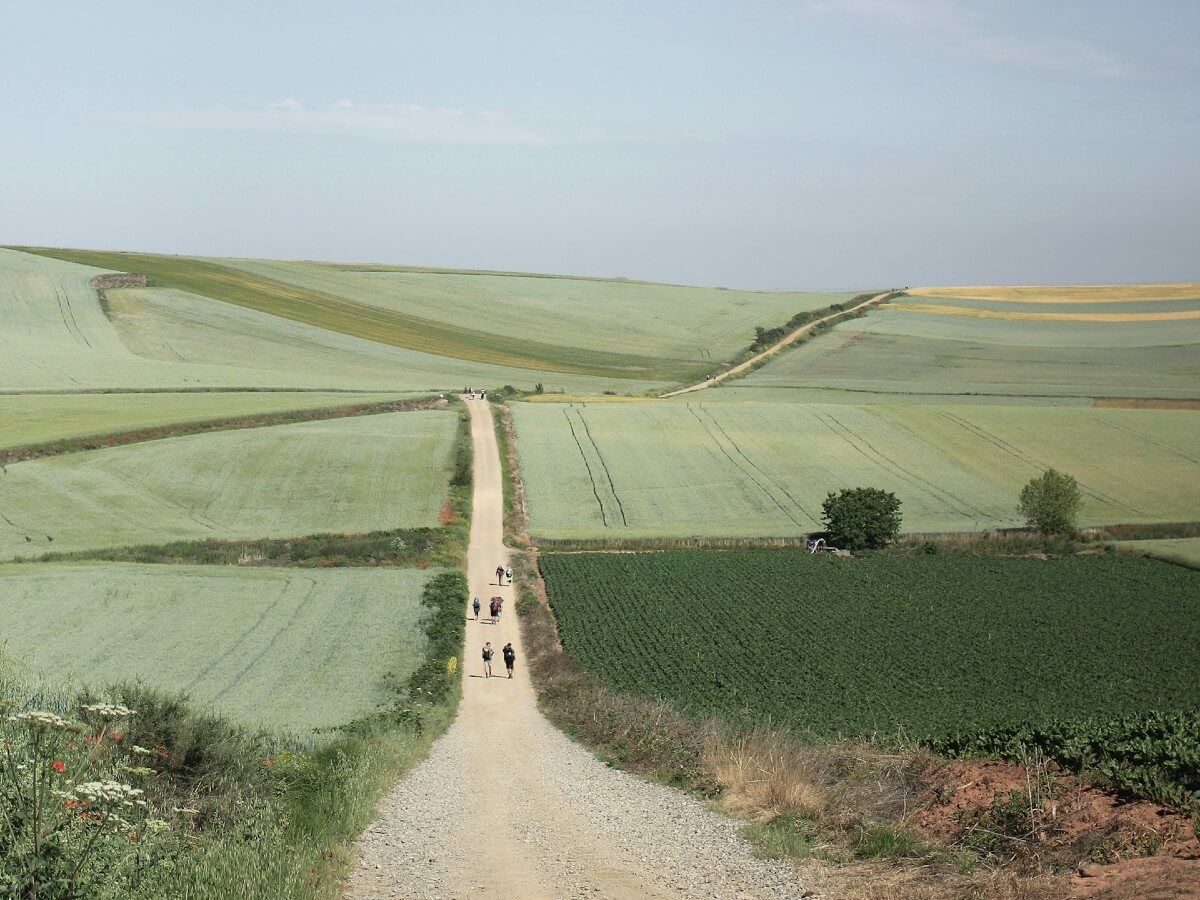
Walking the Camino after 50 can actually be an advantage. Older pilgrims bring a lifetime of resilience, patience, and perspective. Younger walkers may rush to cover distance, but those in their 50s, 60s, and beyond often savor the experience of walking the Camino more deeply. With patience comes the time to pause in quiet chapels, linger in village squares, or enjoying a sunset. In fact, we think the Camino makes the Top 10 walking tours for travellers 50+.
3. You Don’t Have to Walk the Camino All at Once
The Camino can span hundreds or even thousands of kilometers. But there’s no rule that says you must walk it in one continuous journey. Many walkers after 50 choose to walk the Camino in sections, completing it over several trips. A popular option is the self-guided last 100 km Camino Frances from Sarria to Santiago. Walking from Sarria is enough to earn the official Compostela certificate, and it still captures the essence of the pilgrimage.
4. Physical Preparation Matters. But It’s Achievable
When you choose to walk the Camino be certain that this is not a race. There are no medals for going fastest, and the truth is most pilgrims find it's more satisfying to slowly walk the Camino, enjoying longer breaks and exploring the villages you pass through. While you may go slower, it's still a tough journey walking the Camino de Santiago, so preparing your body helps immensely. Regular walks at home, gradually increasing distance and carrying a light pack will build stamina. Trekking poles can ease strain on knees and hips. Most importantly, listen to your body and embrace the Camino’s slower rhythm. Check out this guide on how to prepare to walk the Camino de Santiago.
5. The Camino Is About More Than Walking
Most pilgrims walk the Camino every day. While walking is what you do, the Camino is also about connection with history, culture, and other pilgrims. So don't be surprised to find that you are sharing stories over café con leche, explore medieval towns, and exploring art and architecture dating back centuries. Walking the Camino, brings a special openness to these moments, enriching the journey far beyond the miles walked. For more on the history and culture you’ll encounter, see our Camino Francés route guide.
6. Comfort and Support Options Exist
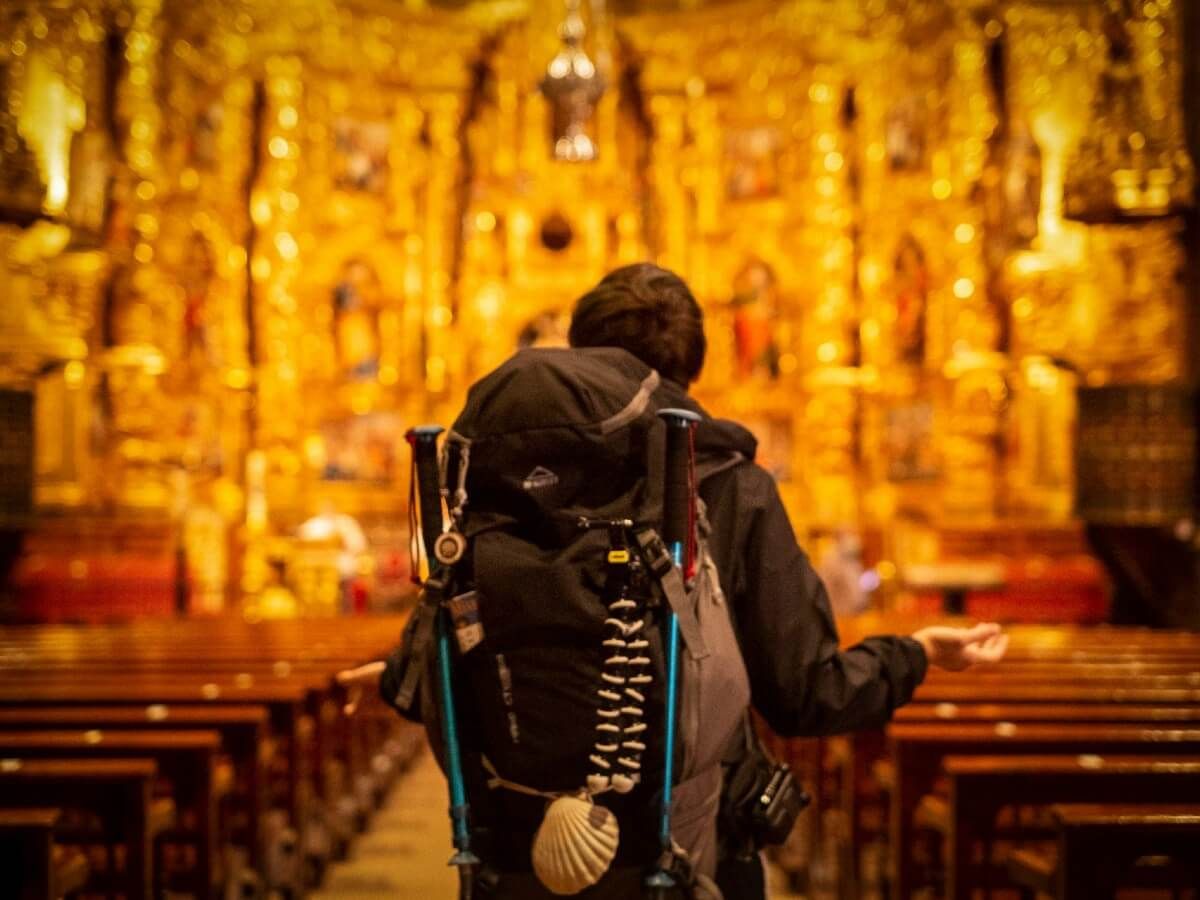
Gone are the days when pilgrims had to carry everything on their backs. Today, you can walk light by booking a self-guided Camino tour. A self-guided Camino tour is where you have your accommodations booked, your luggage transferred between hotels, an app that shows your route, and support on WhatsApp or by phone from a local specialist if you need any help. Even better you can choose to upgrade your accommodations, and stay in charming boutique hotels instead of crowded hostels on your self-guided Camino trip. For example, this self-guided Camino Frances tour stays in Deluxe hotels, while this self-guided Camino Portugues tour also gives you all the benefits of a self-guided Camino, but in upgraded accommodations. Ultimately, choosing a self-guided Camino tour means that your pilgrimage is far more accessible for those who want to prioritize comfort while still keeping the authenticity of the walk.
7. Spirituality Takes Many Forms
Originally choosing to walk the Camino was part of a Christian pilgrimage. Today walking the Camino is open to all, and you'll find many that are walking the Camino who are not religious at all. Whether you walk for faith, healing, renewal, or simply to slow down, the Camino meets you where you are. Many walkers after 50 describe it as a deeply moving time of reflection, an opportunity to walk into the next chapter of life with clarity and purpose.
8. The Camino Is Incredibly Social
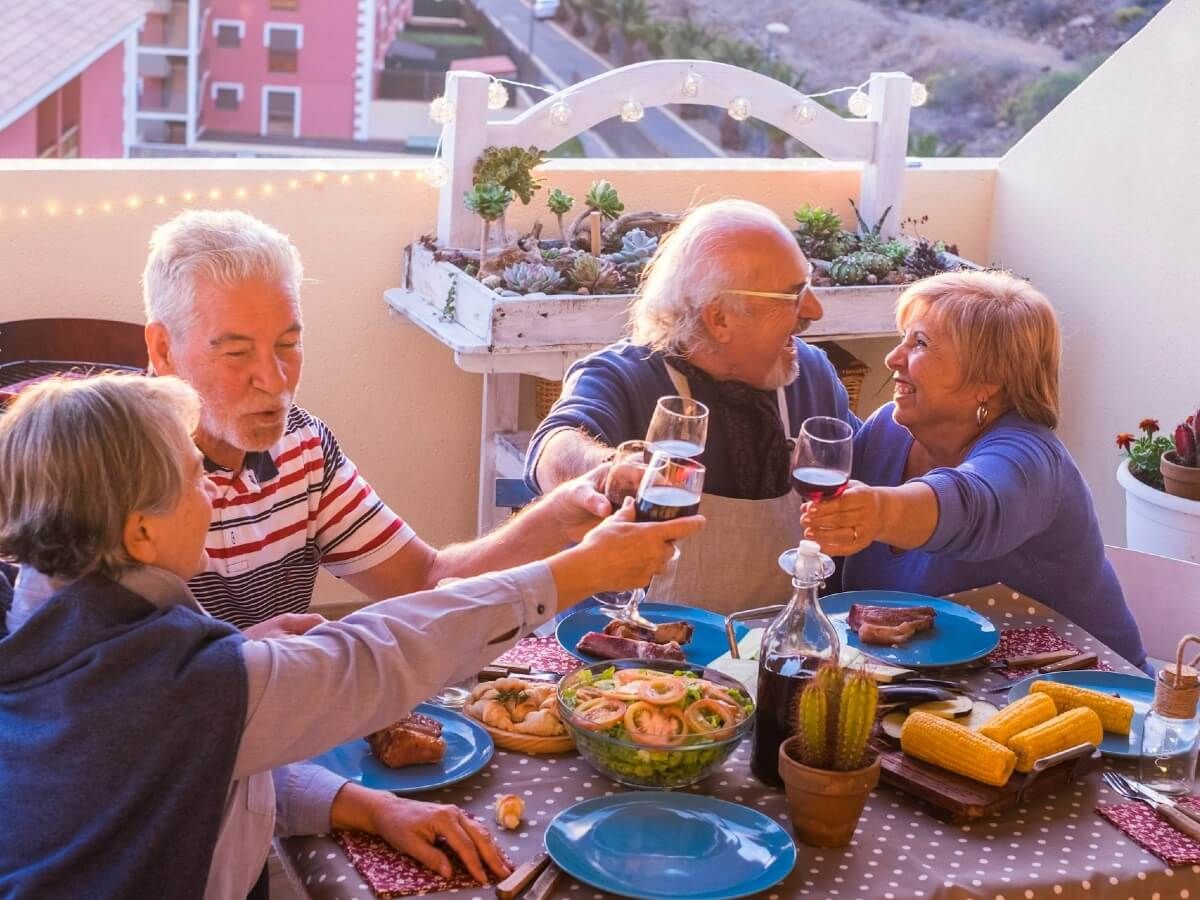
Even if you set out alone, you are never truly alone walking the Camino. Pilgrims come from all over the world, and the shared experience creates instant camaraderie. Friendships forged over blisters and laughter while walking the Camino often last a lifetime. For many in their 50s and 60s, walking the Camino becomes not just a walk but a community.
9. Take Your Time in Santiago
Walking into Santiago and seeing the Cathedral of Santiago is a moment like no other. When you step into the grand square, beneath its spires, you’ll feel the weight of your journey melt into joy. Afterward, allow time to explore Santiago itself - its cobbled streets, lively markets, and rich Galician cuisine are a celebration of arrival.
10. The Camino Stays With You Forever
Perhaps the most beautiful truth: walking the Camino doesn’t end in Santiago. Long after you return home, the lessons of patience, simplicity, and gratitude remain. Many pilgrims say that walking the Camino changes the way they see life itself - a gift especially treasured after 50, when each step forward feels even more meaningful.
Ready to Begin Your Own Camino?
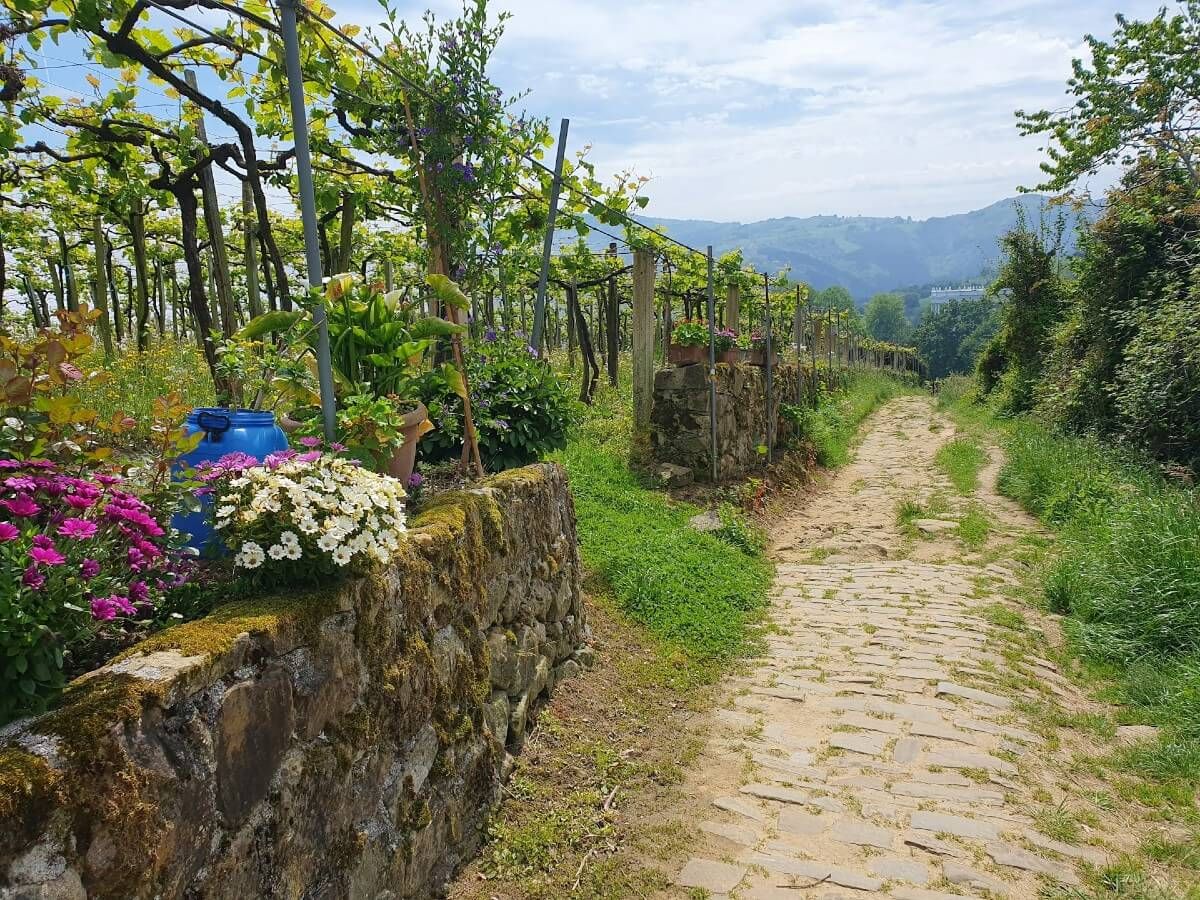
Going on a pilgrimage is a bucket list trip in our opinion, building mental and physical strength. Walking the Camino de Santiago after 50 is not only possible, it can be the adventure of a lifetime. Whether you dream of the rolling vineyards of self-guided northern Spain tours, the coastal breezes of self-guided Portugal hiking tours, or the medieval villages along the way, the Camino offers a journey for every pace and every pilgrim. Browse our self-guided Camino de Santiago walking tours to find the right route for you.
10Adventures Camino traveller reviews speak for themselves. We offer authentic, stress-free self-guided Camino experiences. Whether you want a self-guided Camino Frances tour, or want to choose a self-guided tour of one of the Camino variants, all that’s left is for you to take that first step.
Camino de Santiago Articles
Check out these guides to help you plan your Camino de Santiago:
- Complete Guide to the Camino de Santiago
- Camino Francés Route Guide
- Guide to the Camino Portugués
- Guide to the Camino del Norte
- Guide to Walking the Camino Primitivo
- How to Prepare to Walk the Camino de Santiago
Book a Camino de Santiago Tour
Browse this selection of self-guided Camino tours:
Alex Todd
Jun 6, 2026
Ontario-based Alex combines his love of adventure and history, and has worked as a writer and editor at 10Adventures. He has spent months exploring New Zealand, and loves exploring Europe, from the Swiss Alps to Greek beaches.
Recent stories
Destinations
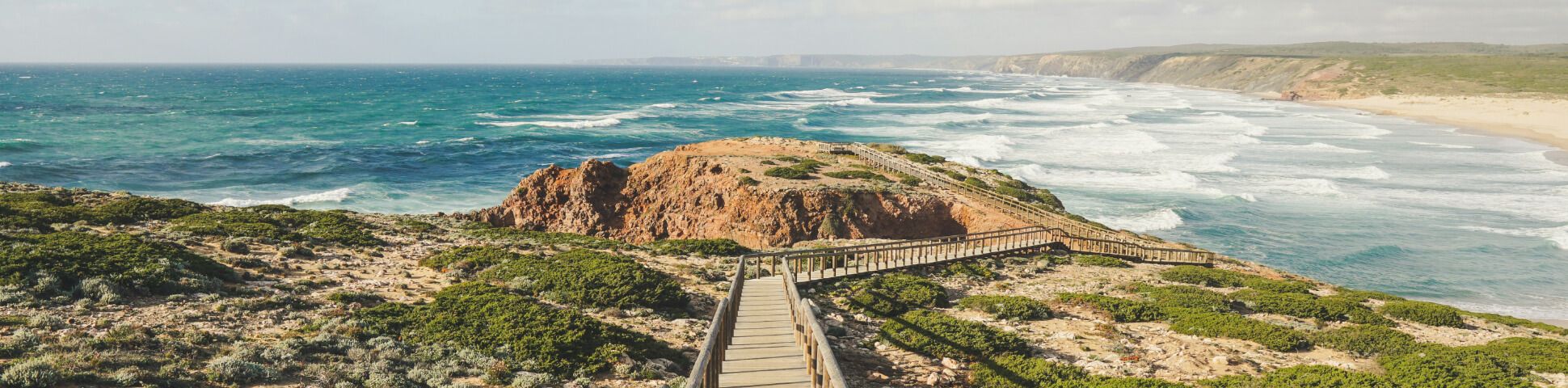
Walking in Portugal: Best Walking Trips and Routes
Portugal packs an unusual amount of variety into a relatively small country.
Nadine Gravis
Oct 5, 2026
Destinations
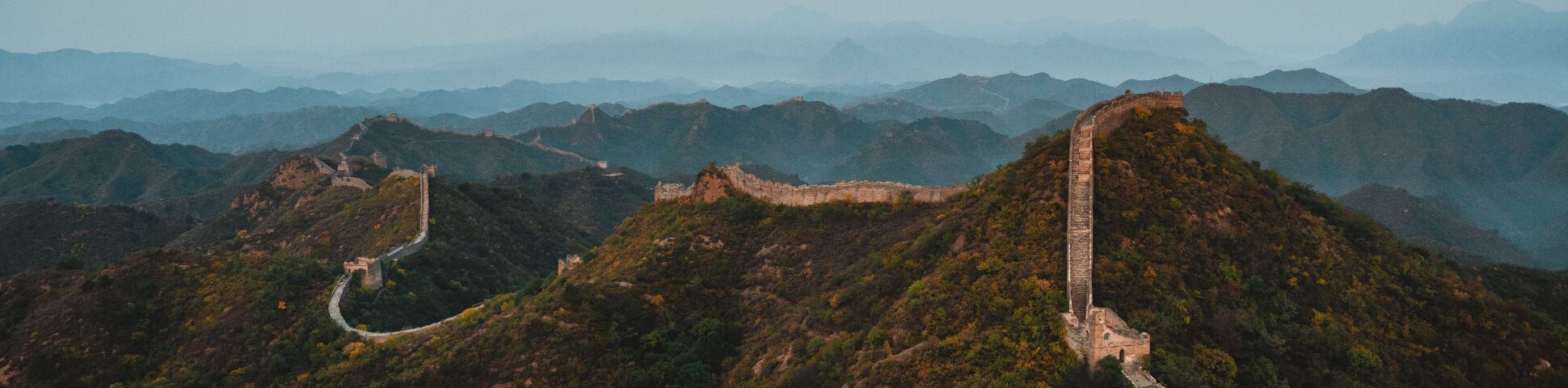
Walking in China: Best Walking Trips and Routes
China offers walking experiences that range from historic routes to high mountain treks.
Kelsey Krahn
Oct 2, 2026
Destinations
Tour du Mont Blanc Map: Route, Variations and Key Stops
The Tour du Mont Blanc is a long-distance hiking circuit around the Mont Blanc massif, passing through France, Italy and Switzerland.
Lynn Campbell
Sep 28, 2026