
BlogDestinationsCamino Vía de la Plata 2026: A Pilgrim’s Guide to the Silver Way
Camino Vía de la Plata 2026: A Pilgrim’s Guide to the Silver Way

Claire Whitters
May 27, 2026
Claire shares her love of travel and has worked as a writer and editor at 10Adventures.
The Self-guided last 100km Vía de la Plata tour is a wonderfully challenging Self-guided Camino de Santiago tours in Spain. Stretching from southern to northern Spain, it is not surprising that this pilgrimage has earned the title of the toughest and longest Camino de Santiago route. Reserved for intrepid adventurers, this trek provides ample time for self-reflection and spiritual enlightenment. No matter the motive behind venturing Vía de la Plata, the breathtaking countryside, ancient roman ruins, charming medieval towns, and friendly faces along the way prove well worth the effort. The Via de la Plata is a bucket-list trip for experienced adventurers.


Otherwise known as the Silver Route, the Vía de la Plata is walked by only a mere 3% of pilgrims. Historically a bustling Roman Road, the pathway now yields a sequestered experience travelling from Seville all the way to Santiago de Compostela. Discover the charm of the Camino as you immerse yourself in the vibrant cultures, indulge in local delicacies, and explore the buzzing cities and expansive countryside. This demanding but rewarding excursion demands preparation and organization, so let us help!
Because of the distance and limited infrastructure along the Silver Way, Self-guided Camino Frances hiking tours can be especially helpful on the Vía de la Plata, handling accommodation planning and luggage transfers while still leaving the walking and pace entirely up to you.
What to Expect on the Camino Vía de la Plata in 2026
Key facts every pilgrim should know before walking the Camino Vía de la Plata in 2026:
- Distance and duration: 960 km from Seville to Santiago de Compostela, typically walked over 38 days. The longest of all Camino routes.
- Eight stages: The route is broken into 8 stages of roughly 5 to 7 days each. Pilgrims often walk one or two stages at a time and return over multiple years.
- Difficulty: One of the toughest Camino routes due to its length, hot summer climate in southern Spain, and limited pilgrim infrastructure compared to busier routes.
- Best season: Spring (March to May) and autumn (September to October). Summer is to be avoided due to the heat in Andalusia and Extremadura. Winter walking is not recommended.
- Qualifies for the Compostela: Yes. The full route easily exceeds the 100 km minimum. Many pilgrims hop on in Sarria (Stage 7) to walk just the last 100 km.
- Convergence with the Frances: The route merges with the Camino Francés at Astorga (Stage 6). From Astorga onwards, pilgrims walk the final stretch alongside Francés walkers.
- Pilgrim traffic: Only about 3% of all Camino pilgrims walk the Vía de la Plata, making it one of the most secluded Camino experiences.
Vía de la Plata Itinerary
Walking the Vía de la Plata is a transformative experience, much like other great Camino de Santiago pilgrimage routes. You will walk through four Spanish regions: Andalusia, Extremadura, Castilla y León, and Galicia. From ancient Roman ruins, mountain ranges, magical hamlets and vineyards, the Silver Way has it all. Though taxing, this pilgrimage presents the ideal opportunity to experience the diversity and beauty of Spain. The Vía de la Plata is well-signposted with the scalloped shells, making the path easy to navigate. Note the final section of the pilgrimage follows the French Way, from Astorga to Santiago de Compostela.
Earning the title as the longest route to Santiago means that this pilgrimage demands extensive research and planning. Use the route itinerary below for easy-to-navigate instructions, accommodations, distances and more. If organizing the adventure overwhelms you, then book our Self-guided Camino Vía de la Plata tour, that way you don’t need to worry about the burden and stress of planning. If you are still undecided about which route to venture, refer to our extensive Camino de Santiago guide for more information. Travelling over 960.0 km over 38 days—this arduous trek requires proper gear, so check out our Camino de Santiago packing list -making sure to check all the necessary boxes! If you can’t take the time out of your busy schedule to complete this pilgrimage in one go, then consider conquering half then returning at a later day!
Via de la Plata Stage 1: Seville to Fuente de Cantos
Arrive in Seville by plane, train, or automobile. Wander through the busy city of Seville and explore the La Giralda, the UNESCO-listed Cathedral. This 6-night stage will guide you through the luxuriant countryside, meandering through cattle ranches, dense forestlands, olive groves, and up to Mirador del Cerro del Calvario. There is also plenty of architecture to admire as you near the end of phase 1.
- Seville: Albergue Triana
- Guillena: Albergue Municipal de Guillena
- Castilblanco de los Arroyos: Albergue de Peregrinos de Castilblanco de los Arroyos
- Almadén de la Plata: Albergue Municipal de Almadén de la Plata
- Monesterio: Albergue Parroquial de Monesterio
- Fuente de Cantos: Pensión Casa Vicenta
Distance: 125.0 km
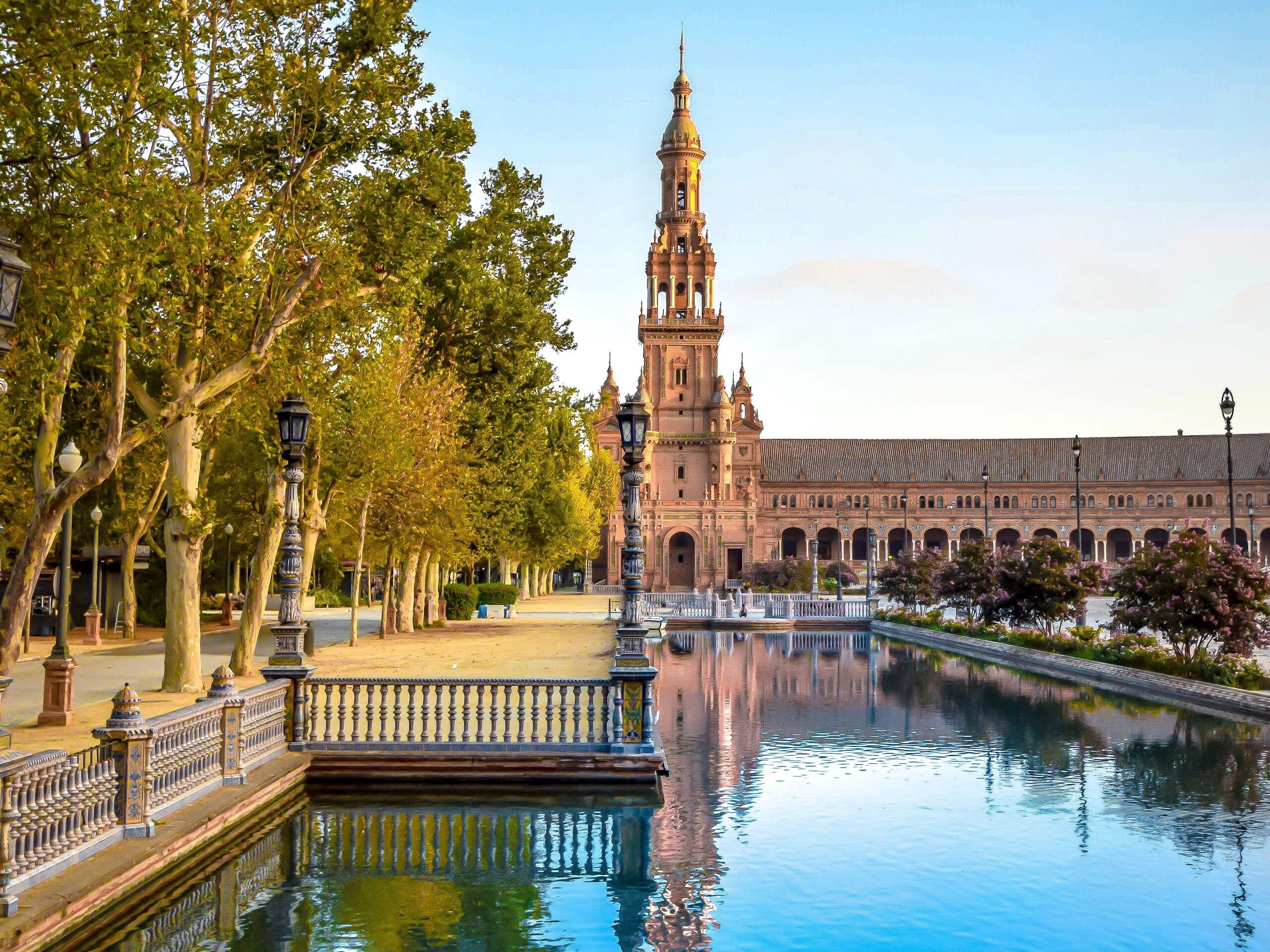
Stage 1 - Wander through the busy city of Seville
Via de la Plata Stage 2: Fuente de Cantos to Alcuéscar
Stage 2 is an epic adventure through the territory of Extremadura. Wander through fig forests, vineyards, and luxuriant meadowlands. Take the time to visit the Gothic-Renaissance church in Villafranca de los Barros before continuing your journey to the historic city of Mérida. Your second stage comes to a close in Alcuéscar.
- Zafra: Albergue de Peregrinos de Zafra (Vincent Van Gogh)
- Villafranca de los Barros: Albergue Extrenatura
- Torremegía: Albergue Rojo Plata
- Mérida: Albergue de Peregrinos Molino de Pancaliente
- Alcuéscar: Casa de Acogida de los Esclavos de María y de los Pobres
Distance: 123.0 km
Via de la Plata Stage 3: Alcuéscar to Aldeanueva del Camino
Departing from Alcuéscar, you will have a hilly trek to Cáceres, but do take the time to explore its UNESCO-listed Old Town. This section of your pilgrimage towards Santiago de Compostela demands some stamina as the undulating terrain and the vertiginous climb to Puerto de los Castaños will prove exhausting. Explore the ruins of Caparra and enchanting roman-derived villages as you near Aldeanueva del Camino.
- Cáceres: Albergue Turístico Las Veletas
- Embalse de Alcántara: Albergue del Embalse de Alcántara
- Grimaldo: Albergue de Peregrinos de Grimaldo
- Carcaboso: Albergue juvenil y de peregrinos Majalavara
- Aldeanueva del Camino: Albergue La Casa de Mi Abuela
Distance: 162.0 km

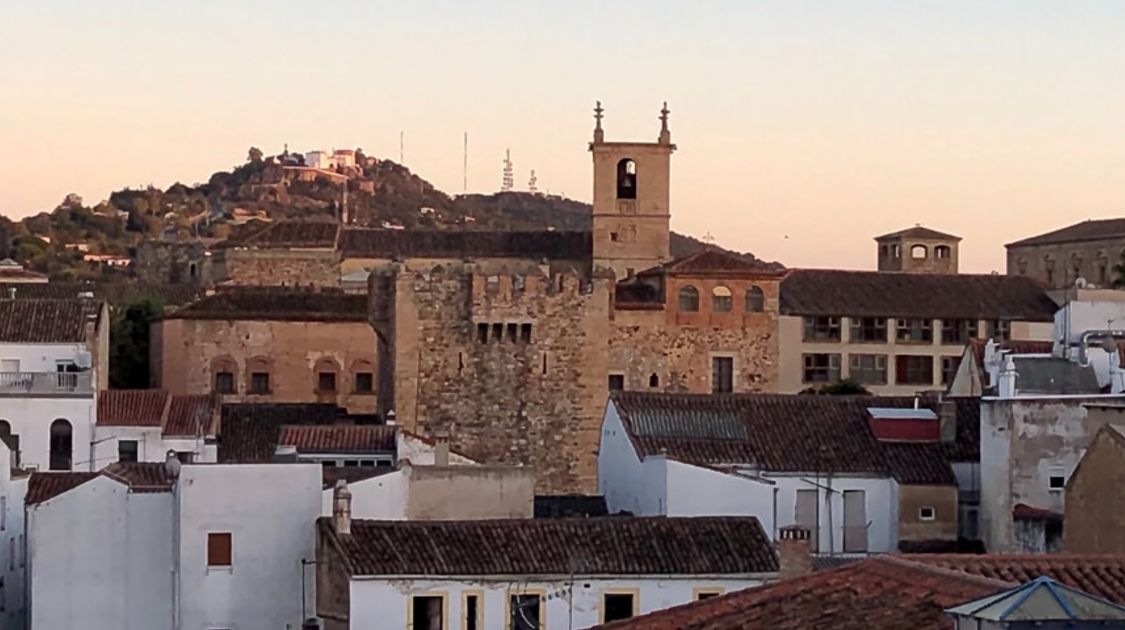
Stage 3 - Cáceres
Via de la Plata Stage 4: Aldeanueva del Camino to El Cubo de la Tierra del Vino
Stage 4 is another stunning segment of this transformative pilgrimage. Departing Extremadura, you will enter the region of Castilla y León. Passing ancient Roman landmarks and enchanting medieval churches, there are plenty of religious and architectural sites to admire. Cross over the Tormes River before entering the vibrant city of Salamanca. Indulge in the local cuisine, and in El Cubo de la Tierra del Vino, make sure to treat yourself to a glass of wine!
- La Calzada de Béjar: Albergue Alba – Soraya
- Fuenterroble de Salvatierra: Albergue Parroquial Santa María
- San Pedro de Rozados: Albergue Mari Carmen
- Salamanca: Albergue de Peregrinos Casa la Calera
- El Cubo de la Tierra del Vino: Albergue F&M
Distance: 130.0 km
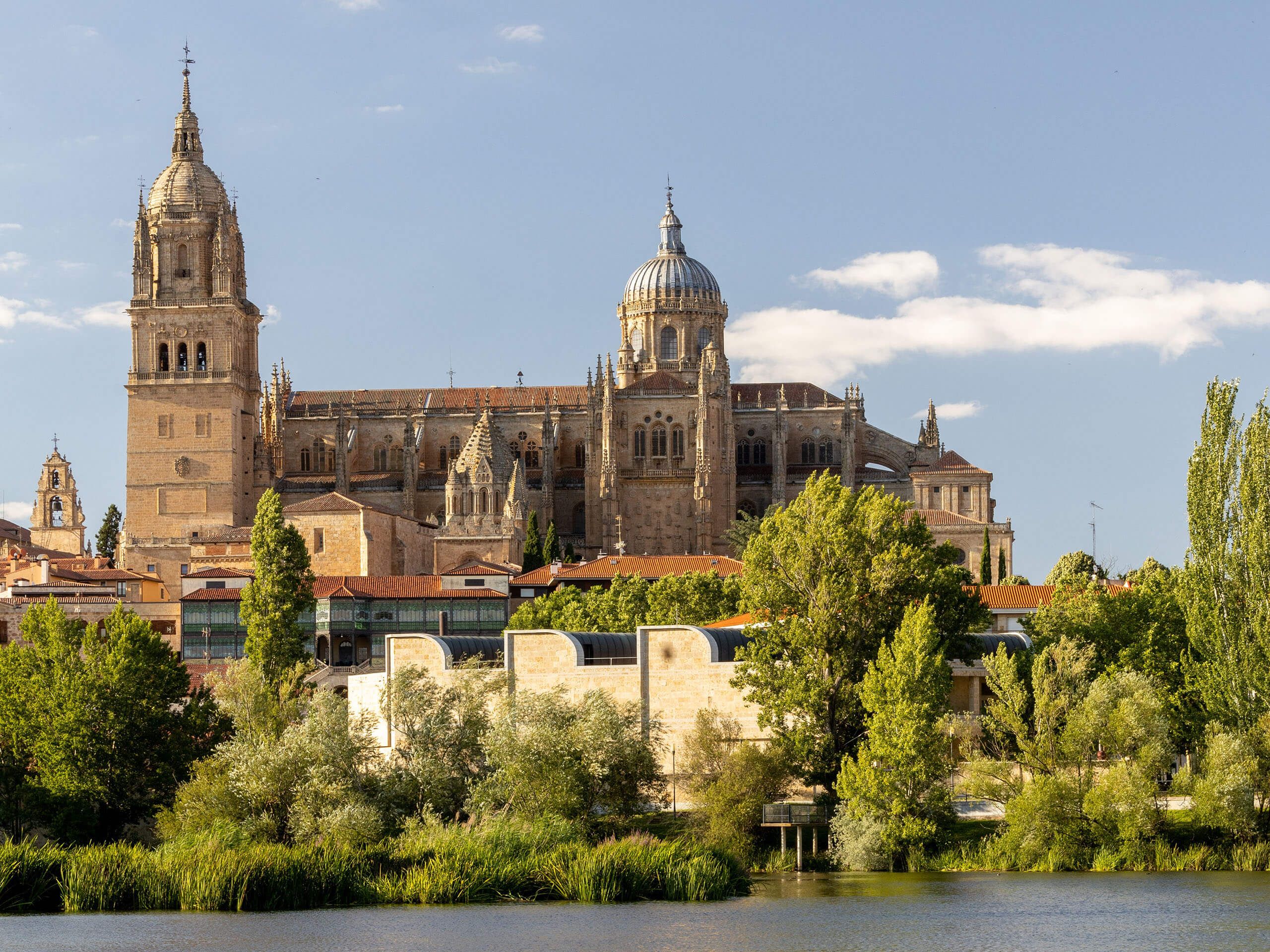
Stage 4 - Salamanca
Via de la Plata Stage 5: El Cubo de la Tierra Del Vino to Alija del Infantado
After sipping on some vino in El Cubo de la Tierra del Vino, begin your trek through the lush Spanish countryside to Zamora, a town laden with Romanesque architecture. As you advance along the Camino route you will be immersed in a sea of cereal fields before reaching Montearmarta. The final phases of this segment are abundant with ancient monasteries and monuments. In Granja de Moreruela you will lose some of your fellow pilgrims who chose to branch off and venture the Sanabrés Way to Santiago de Compostela.
- Zamora: Albergue de Peregrinos de Zamora
- Montamarta: Albergue de Peregrinos de Montamarta
- Granja de Moreruela: Albergue de Peregrinos de Granja de Moreruela
- Benavente: Albergue de Peregrinos de Benavente
- Alija del Infantado: Albergue de Peregrinos de Alija del Infantado
Distance: 122.0 km

Stage 5 - Zamora
Via de la Plata Stage 6: Alija del Infantado to Villafranca
You are nearing the end of your pilgrimage! Stage 6 warrants some breathtaking scenery. Wander through lush vineyards, olive groves, expansive cereal fields, and meadows abundant with vibrant poppies. Once you reach Astorga you will be in the company of many new fresh faces as the route converges with the Camino Francés, the most popular Camino de Santiago route. Now hiking through Galicia, up mountains, and over rivers, you will eventually reach Cruz de Ferro—a symbolic site where Camino adventurers leave rocks, shells, and letters.
- La Bañeza: Albergue de Peregrinos Monte Urba
- Astorga: Albergue de Peregrinos Siervas de María
- Foncebadón: Albergue Parroquial Domus Dei
- Ponferrada: Albergue Parroquial San Nicolás de Flüe
- Villafranca: Albergue de Peregrinos de Villafranca del Bierzo
Distance: 123.0 km

Stage 6 - Astorga
Via de la Plata Stage 7: Villafranca to Palais del Rei
This stage of your adventure to Santiago de Compostela is mountainous but extremely picturesque. Demanding endurance, pilgrims will have to ascend the O Cebreiro Mountain pass, so hopefully you did some training prior to your adventure! Be sure to check out our Camino de Santiago preparation guide for information on how best to train and prepare for the more strenuous treks along the way. You will likely be joined by several more pilgrims in Sarria who hop on to satisfy the last 100.0 km benchmark.
- O Cebreiro: Albergue de peregrinos de O Cebreiro
- Triacastela: Albergue de Peregrinos de Triacastela
- Sarria: Albergue de Peregrinos de Sarria
- Portomarín: Albergue de Peregrinos de Portomarín
- Palais del Rei: Albergue de Peregrinos de Portomarín
Distance: 114.0 km
Via de la Plata Stage 8: Palais del Rei to Santiago de Compostela
You are almost there! Wander through the lush countryside before dipping below the tree shade of oaks, chestnut, and holly trees. Boasting stunning panoramas, the closer you get to the pilgrimage’s culmination the more industrial the terrain. Once you arrive in Santiago de Compostela be sure to explore the impressive architecture of the UNESCO-listed Old Town. Don’t forget to get your Compostela and treat yourself to some tapas and vino to celebrate your feat!
- Arzúa: Albergue de Peregrinos de Arzúa
- Pedrouzo: Albergue de Peregrinos de Arca - O Pino
- Santiago de Compostela: Albergue Parroquial Fin del Camino
Distance: 67.0 km
Pilgrims with extra days can extend their journey on a Self-guided Finisterre Way tour and walk another 90 km from Santiago de Compostela out to the Atlantic coast.
About Vía de la Plata
Ironically enough, the Silver Way or Vía de la Plata did not get its name from silver. Never a silver trading route nor was it mined in the area. Instead, the route supposedly got its name from the Arabic word al-balat, which means cobbled paving—a road engineered by Romans.
Historically ventured by Roman and utilized as a trading route connecting Mérida to Astorga, the ancient Roman road was a tactful communicating route in the western peninsula. Later on, the Silver Way became the Jacobean Route, guiding pilgrims from southern Spain all the way up to Santiago de Compostela. Want to learn more about the pilgrimage to Santiago de Compostela and its rich history then you’ll probably our article depicting Camino de Santiago facts.

We suggest tackling this pilgrimage in the spring or autumn
When to trek the Via de la Plata
The Silver Way is famously characterized by its unbearably hot summer treks. As you explore the peninsula from south to north, the passage stretches through unshaded flat topographies, mountain ranges, and technical terrain. Due to the route’s unpopularity, there is limited pilgrim infrastructure along the way; thus, off-season treks prove unnecessarily difficult. Though possible to venture in the summer, determination, hydration, and sun protection is needed. We suggest tackling this pilgrimage in the spring or autumn for more favourable and manageable conditions. If you are seeking more information about the Camino de Santiago’s seasonality, then refer to our guide on the best time to walk the Camino.
Major routes of the Camino de Santiago
- Spain’s most-walked pilgrimage, the Camino Francés runs roughly 800km from the French Pyrenees across La Rioja and Castile to Santiago — see our Self-guided Camino Francés walking tour options.
- The Camino Portugués offers two main paths: a central inland route via Coimbra and Porto, or a scenic coastal alternative along the Atlantic — browse our Self-guided Camino Portugués walking tour options.
- Following the Bay of Biscay coastline through the Basque Country, Cantabria and Asturias, the Camino del Norte is the quietest and most scenic of the routes — browse our Self-guided Camino del Norte walking tour options.
- Once the route of choice for pilgrims arriving by ship from England and Scandinavia, the Camino Inglés is a short 120km option from Ferrol or A Coruña — browse our Self-guided Camino Inglés walking tour options.
- The Camino Primitivo, the oldest of the Caminos, climbs through the Asturian mountains from Oviedo to Santiago and joins the Francés near Melide — browse our Self-guided Camino Primitivo walking tour options.
- An optional epilogue beyond Santiago, the Camino Finisterre continues to the Atlantic where pilgrims have long ended their journey at the ‘end of the earth’ — browse our Self-guided Camino Finisterre walking tour options.
Camino de Santiago Trip Planning Articles
- Complete Camino de Santiago Guide
- Camino Planning: Best time to Walk the Camino
- Camino Planning: How to prepare to Walk the Camino
- Camino Planning: What to pack for your Camino
- Route Guide for the Camino Frances
- Route Guide for the Camino Finisterre
- Route Guide for the Camino Portugues
- Route Guide for the Camino Primitivo
- Route Guide for the Camino Ingles
- Route Guide for the Camino del Norte
- Route Guide for the Camino Invierno
- Camino de Santiago Facts
- 6 Best Long-Distance Walking Routes in Spain for 2026
- Best Autumn Walks in Europe
- What to Wear on a Walking Holiday
- Self-guided pilgrimage tours
- Self-guided Southern Spain hiking tours
- Self-guided Northern Spain hiking tours
Claire Whitters
May 27, 2026
Claire shares her love of travel and has worked as a writer and editor at 10Adventures.
Recent stories
General
2027 Tour Bookings Are Open: Start Planning Your Adventure
Planning a trip for 2027?
Richard Campbell
Aug 12, 2026
Destinations
Trentino-South Tyrol: Italy’s Best-Kept Secret for Outdoor and Culture-Loving Travellers
Tucked away in Italy’s far north, where the Dolomites carve the sky and vineyards cling to sun-drenched hillsides, lies a region that feels like it was made for the curious traveller.
Alex Todd
Aug 11, 2026
Destinations
Top Alpine Tours for Wildflower Season: A Blooming Adventure Awaits
Spring in the Alps is a magical time.
Alex Todd
Aug 11, 2026