
BlogDestinationsJapan Cycling Tours: Best Bike Routes and Trips for 2026
Japan Cycling Tours: Best Bike Routes and Trips for 2026
Table of contents

Nadine Gravis
Jul 25, 2026
Whether exploring Algonquin Provincial Park by canoe, or hiking Torres del Paine, Nadine loves spending time outdoors and sharing about her experiences.
Japan cycling tours beautifully intertwine scenic landscapes with vibrant culture and signature dishes. One adventure may wind through quiet rural roads, island scenery, temple towns, volcanic landscapes, hot springs, while rewarding you with excellent food along the way. However, cycling in Japan can feel very different depending on where you ride. One trip might focus on the Shimanami Kaido and Shikoku’s satoyama landscapes, while another might use e-bikes to explore Okinawa, Kyushu, Hokkaido, or Japan’s classic cultural route from Tokyo to Kyoto.
Travellers interested in biking in Japan may find some helpful advice and insight on our Guided Japan Bike Trips page. You’ll get an overview of 10Adventures cycling options across the country! For travellers still comparing cycling with hiking, cultural trips, or wider active holidays, Guided Japan Tours are also useful because many Japan itineraries combine cycling with walking, food, history, hot springs, and local cultural experiences.
Why Go Cycling in Japan?
Japan works well for cycling because the country rewards slow travel. Riding by bike lets you move between villages that can be easy to miss on a fast city-to-city itinerary. Overall, the strongest Japan bike trips are not only about distance; they are about seeing how landscapes, food, religion, history, and daily life change from island to island.
Best Time to Go Cycling in Japan
The best time for Japan cycling tours depends on the island and route, but spring and autumn are usually the most comfortable seasons. March to May can bring mild temperatures, fresh landscapes, and cherry blossoms in many regions. September to November is also excellent, with cooler riding conditions, autumn colours, and more comfortable weather for longer days.
Summer can work well in some areas, especially Hokkaido, but many parts of Japan can be hot and humid. Okinawa and southern islands have their own subtropical rhythm, while mountain and volcanic areas can feel very different from coastal routes. Winter is not automatically impossible everywhere, but it is usually less suitable for classic multi-day cycling unless the itinerary is designed for milder southern conditions.
When not to go cycling in Japan
Avoid assuming that one season fits the whole country. Heavy rain, heat, typhoon risk, snow in northern or mountain regions, and short winter daylight can all affect cycling. If your goal is a comfortable first Japan bike trip, spring or autumn is usually the safer starting point. If you are choosing Okinawa, Hokkaido, or highland routes, check the exact itinerary and local season before booking.
Best Regions and Routes for Cycling in Japan
Japan is not one cycling destination; it is a collection of very different islands and route styles! Feeling overwhelmed? Don’t worry! We dive into each region below!
Shimanami Kaido and Shikoku Cycling
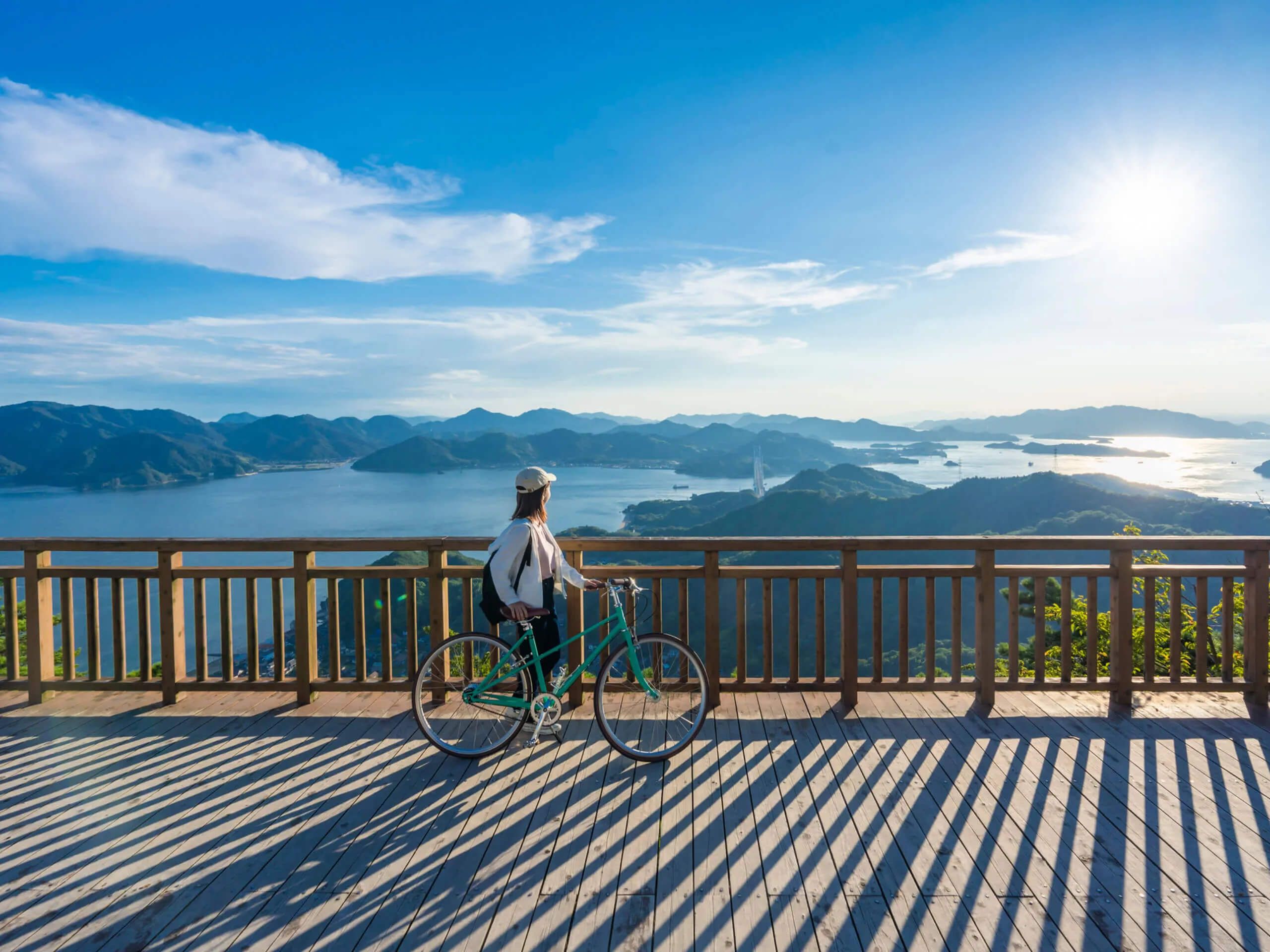
The Shimanami Kaido is one of Japan’s best-known cycling routes, and it earns that attention. This island-hopping route across the Seto Inland Sea is known for bridges, sea views, well-developed cycling infrastructure, and access to Shikoku. Sound fun? The Guided Shikoku Island Discovery E-Bike Tour may stoke your wanderlust!
Shikoku also works well for travellers who want cycling mixed with food, culture, hot springs, and rural landscapes rather than a pure distance-focused route. The Guided Shikoku Island Nature and Food Highlights Tour combines cycling through satoyama scenery with regional cuisine, cultural experiences, and island landscapes.
Best time to go: spring and autumn are especially comfortable, though specific departures and e-bike tours may run more widely through the year.
Why not to go: avoid choosing Shikoku only for fast road cycling if your priority is maximum mileage; many itineraries are built around culture, food, villages, and scenic riding.
Kyushu Cycling Tours
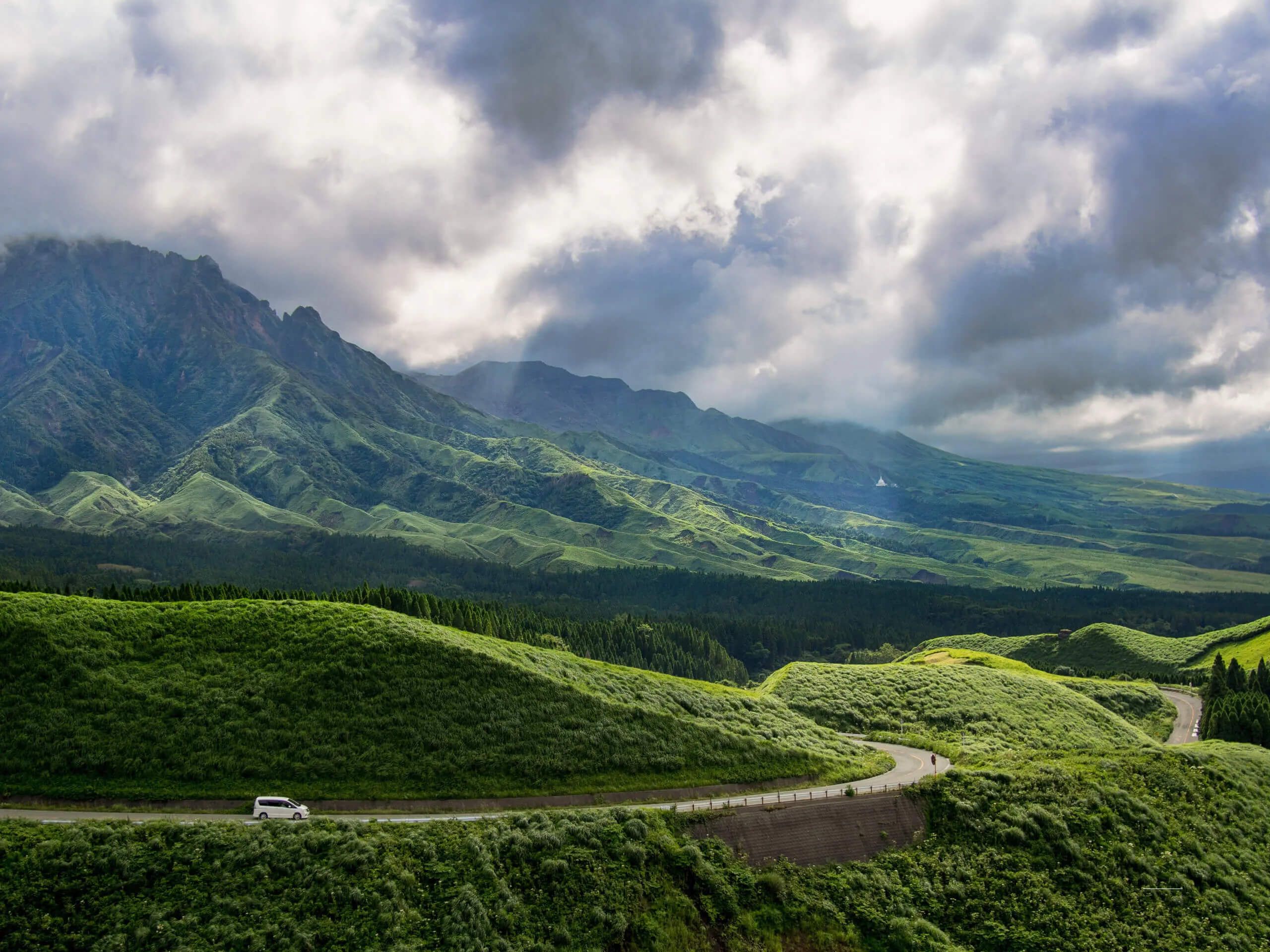
Kyushu is a strong choice for travellers who want volcanoes, rural roads, and a more local side of Japan. The island works particularly well for cycling holidays that combine riding with walking, cooking, community encounters, and volcanic scenery around Mount Aso. The Guided Kyushu Hiking and Cycling Tour is a good fit for travellers who want a balanced mix of nature, mythology, and village life.
For travellers who want Kyushu with an elevated food and e-bike focus, the Guided Rural Kyushu Bike and Gourmet Tour combines Aso-Kuju National Park, volcanic landscapes, local cuisine, rural scenery, and electric-assist riding.
Best time to go: spring and autumn are usually the most comfortable, while some tours operate year-round.
Why not to go: avoid choosing Kyushu if you want a completely flat, city-only bike holiday. The appeal here is rural Japan, volcano country, and slower cultural discovery.
Okinawa Cycling Tours
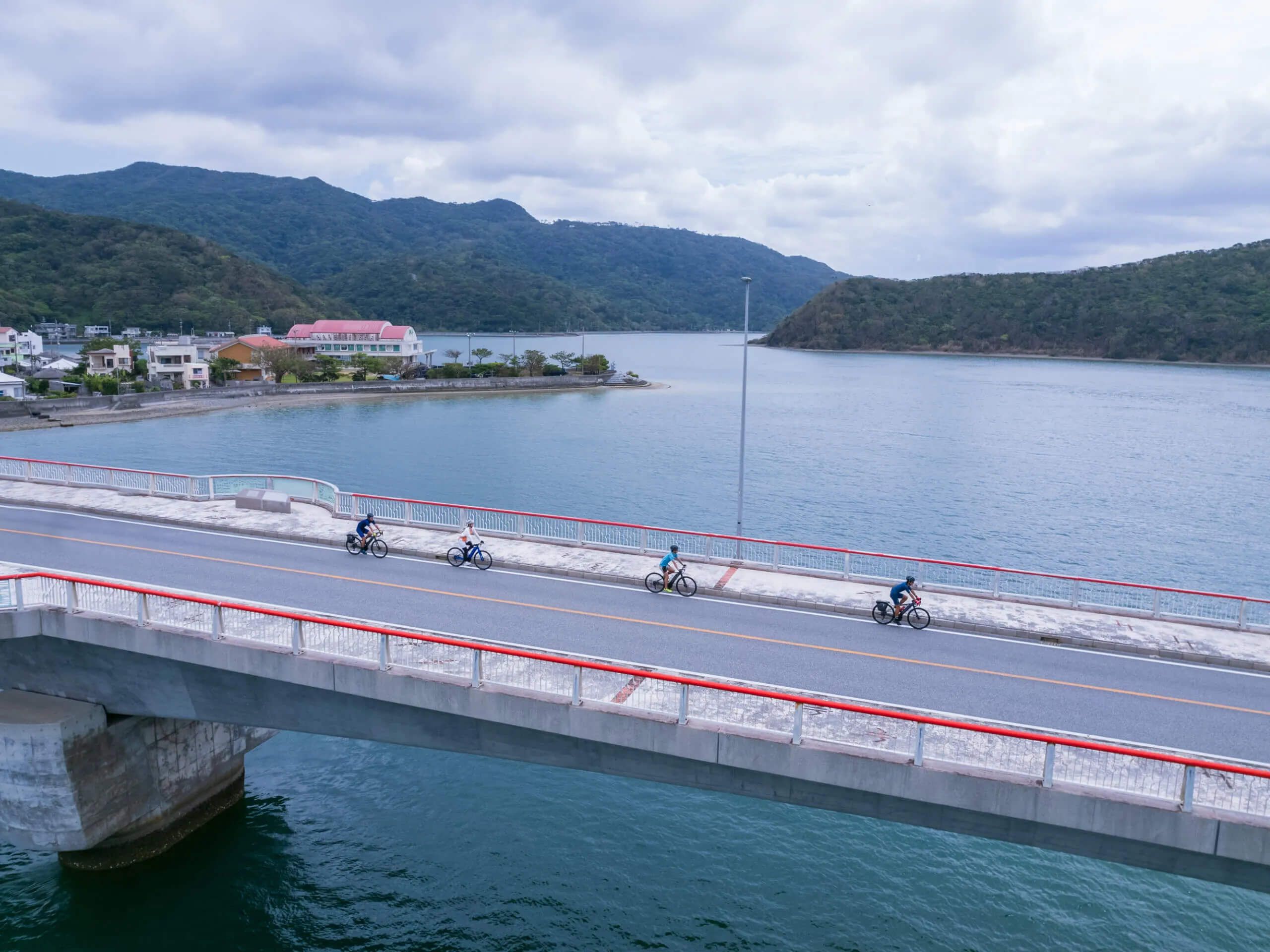
Okinawa offers a very different version of cycling in Japan. Instead of volcanoes or temple villages, riders find subtropical scenery, relaxed island roads, and coral-blue water. Expect a warmer climate here too! Travellers who want a complete island ride can compare the Guided Okinawa Circumnavigation Cycling Tour, which circles Okinawa’s main island by bike. Travellers comparing the full island collection can also browse Okinawa Tours.
For a shorter electric-assist option, the Guided Okinawa 4-Day E-Bike Tour gives travellers a compact way to experience Okinawa from the saddle, with e-bike support and cultural stops.
Best time to go: conditions vary by season, but Okinawa’s milder winter and subtropical setting make it different from northern Japan.
When not to go: avoid peak heat, heavy rain, or storm-affected periods if you are not comfortable riding in humid or changeable weather.
Honshu and Japan’s Golden Route by Bike
Honshu is home to many of Japan’s best-known cultural places, including Tokyo, Kyoto, Osaka, Himeji, and Mount Fuji. It is not always the simplest place for a pure cycling holiday because distances, cities, transport, and sightseeing priorities need careful planning. That is why a mixed itinerary can work well. The Guided Hike and Bike Japan’s Golden Route Tour combines cycling, hiking, guided walks, Tokyo, Mount Fuji, Kyoto, Himeji, and Osaka in one active itinerary.
This style is best for travellers who want cycling as part of a wider Japan journey rather than a tour where every day is only about riding. It can be a strong fit for first-time visitors who want cultural highlights and active days together.
Best time to go: February to June and September to November are useful windows for many Golden Route itineraries.
Why not to go: avoid this style if you want a pure cycling-only holiday with no walking, sightseeing, or city time.
Hokkaido Cycling and Active Travel
Hokkaido is known for open landscapes, cooler summers, national parks, lakes, volcanoes, and a more spacious feel than much of central Japan. Cycling here can appeal to travellers who want fresh air, natural scenery, and fewer urban crowds. On 10Adventures, the Guided Lake Toya and Niseko Cultural Active Tour is not a pure cycling tour, but is for travellers comparing Hokkaido’s active, cultural, and nature-based travel options. Travellers interested in the broader northern collection can also browse Hokkaido Tours.
Best time to go: late spring through autumn is usually better for outdoor touring, with summer especially appealing in Hokkaido compared with hotter parts of Japan.
When not to go: winter is better for snow-focused travel than classic cycling, unless the trip is specifically designed around seasonal conditions.
Types of Cycling in Japan
Standard biking in Japan
Standard biking works well on island, countryside, and point-to-point routes where daily distances are manageable and the focus is cultural discovery as much as exercise. Kyushu and Okinawa both offer strong standard-biking options on 10Adventures, while Shikoku and some cultural routes lean more toward e-bike or mixed activity formats.
E-biking in Japan
E-bikes are especially useful in Japan because many of the best routes include hills, bridges, rural roads, coastal winds, or mixed-fitness groups. E-bike support can make Shikoku, Okinawa, Kyushu, and city-to-countryside routes more approachable without removing the feeling of an active trip. Travellers researching electric-assist options across destinations can browse E-Bike Tours.
Hiking and cycling trips in Japan
Some of the best Japan cycling holidays are not cycling-only. Hiking and biking trips can work well because Japan’s landscapes are deeply tied to shrines, forests, pilgrimage routes, hot springs, volcanic areas, and local communities. A mixed itinerary can help travellers see more of the country without making every day a long ride.

Why Book a Guided Cycling Tour in Japan?
A guided cycling tour in Japan can make the trip easier because local logistics matter. Going for this option can help with a range of things, such as:
- Language
- Route navigation
- Luggage transfers
- Train connections
- Rural accommodations
- Meals
- Road rules
- Bike setup
- Cultural etiquette
In general, guided support helps travellers focus on the riding and the place rather than spending the whole trip solving practical problems.
This is especially helpful in rural Japan, where the most memorable experiences often happen away from the easiest tourist routes. A guide can help interpret local customs, manage timing, explain food and cultural stops, and adjust the pace to the group. Travellers comparing Japan with wider regional cycling options can also check out Asia Bike Trips for more guided bike trips across the continent.
Which Japan Cycling Tour Is Right for You?
The best Japan cycling tour depends on whether you want Shimanami Kaido scenery, Kyushu volcanoes, Okinawa island riding, Hokkaido nature, or a mixed cultural trip with both hiking and cycling.
- Guided Shikoku Island Discovery E-Bike Tour: Best for travellers who want Shikoku, the Shimanami Kaido, e-bike support, satoyama villages, rivers, bridges, and cultural immersion.
- Guided Shikoku Island Nature and Food Highlights Tour: Best for travellers who want cycling combined with regional food, hot springs, rural landscapes, and Shikoku culture.
- Guided Kyushu Hiking and Cycling Tour: Best for travellers who want Mount Aso, volcanic landscapes, walking, cycling, mythology, and local community experiences.
- Guided Rural Kyushu Bike and Gourmet Tour: Best for travellers who want e-biking, food, rural Kyushu, hot springs, and a shorter cultural cycling holiday.
- Guided Okinawa Circumnavigation Cycling Tour: Best for cyclists who want a full island ride around Okinawa with beaches, coastal scenery, and a stronger cycling focus.
- Guided Okinawa 4-Day E-Bike Tour: Best for travellers who want Okinawa, electric-assist riding, cultural stops, and a shorter bike trip.
- Guided Hike and Bike Japan’s Golden Route Tour: Best for first-time visitors who want Tokyo, Mount Fuji, Kyoto, Himeji, Osaka, guided walks, and cycling in one itinerary.
- Guided Lake Toya and Niseko Cultural Active Tour: Best for travellers who want Hokkaido scenery, culture, active days, and nature rather than a pure cycling-only tour.
What to Pack for a Cycling Trip in Japan
Packing for Japan cycling tours should focus on comfort, weather changes, and cultural flexibility. Bring breathable cycling layers, padded shorts, a waterproof jacket, gloves, sunglasses, sun protection, casual evening clothes, personal medication, and a refillable water bottle. If your itinerary includes temples, ryokans, hot springs, or traditional accommodations, pack modest, easy-to-change clothing as well.
For e-bike or guided tours, confirm what equipment is included before packing. Helmets, bike rental, e-bike availability, luggage transfers, support vehicles, and cycling accessories vary by itinerary. Japan also has frequent convenience stores and vending machines in many populated areas, but rural routes can still require careful planning around food, cash, weather, and daily timing.
Final Tips for Planning Japan Cycling Tours
Choose Japan for the right kind of cycling experience. If you want high-speed road training every day, you may need a very specific itinerary. If you want a slower, more immersive holiday with time to appreciate your surroundings, Japan can be a great choice.
Use your preferred region to narrow the choice:
- Shikoku suits Shimanami Kaido and satoyama landscapes
- Kyushu suits volcanoes and food
- Okinawa suits island cycling
- Honshu suits cultural highlights
- Hokkaido suits open nature and active touring.
Before booking, be honest about daily distance, comfort with heat or rain, whether you want e-bike support, and whether you prefer a pure cycling trip or a mixed active itinerary. The best Japan bike tour is the one that matches how you actually want to travel.
If you’re still comparing Japan with broader cycling holidays, it may help to browse the following Biking and Cycling Tours.
Frequently Asked Questions About Japan Cycling Tours
Is Japan good for cycling tours?
Yes, Japan is excellent for cycling tours because it combines island scenery, rural roads, cultural sites, food, hot springs, and strong regional variety. It is especially good for travellers who want cycling to be part of a deeper cultural trip.
What is the best cycling route in Japan?
The Shimanami Kaido is one of Japan’s best-known cycling routes and is especially popular for sea views, bridges, islands, and cycling infrastructure. However, Kyushu, Okinawa, Shikoku, Honshu, and Hokkaido can all be strong choices depending on the trip style.
When is the best time to cycle in Japan?
Spring and autumn are usually the best times to cycle in Japan, especially March to May and September to November. These seasons tend to offer milder temperatures and more comfortable riding than midsummer or winter in many regions.
Are Japan cycling tours guided?
Many 10Adventures Japan cycling tours are guided, especially Japan bike trips across Kyushu, Okinawa, Shikoku, Honshu, and Hokkaido. Guided support is useful for logistics, navigation, language, cultural context, and rural travel.
Can you e-bike in Japan?
Yes! E-bike options are available on some Japan cycling tours, especially in Shikoku, Okinawa, and Kyushu. Availability depends on the exact tour, so travellers should check the individual itinerary before booking.
Is cycling in Japan difficult?
Cycling in Japan can be easy, moderate, or challenging depending on the route. Some tours use e-bikes and moderate daily distances, while others include hills, volcanic terrain, bridges, humidity, or mixed hiking and cycling days.
Is Shimanami Kaido good for first-time cyclists in Japan?
Yes, the Shimanami Kaido is one of the best-known introductions to cycling in Japan because it has a strong route identity, island scenery, sea views, and bike-friendly infrastructure. A guided Shikoku tour can make the experience easier to combine with culture, food, and regional travel.
Nadine Gravis
Jul 25, 2026
Whether exploring Algonquin Provincial Park by canoe, or hiking Torres del Paine, Nadine loves spending time outdoors and sharing about her experiences.
Recent stories

Destinations
Where to Go Instead: 10 Less Crowded Alternatives to Europe’s Famous Trails
Europe's best-known hiking trails deserve their reputations, but popularity changes the experience.
Nadine Gravis
Sep 16, 2026

Destinations
Best Family Adventure Tours for Kids 12 and Under
As most parents know, family adventure travel is hard to plan while your children are young.
Richard Campbell
Sep 16, 2026

Destinations
How Much Does the Tour Du Mont Blanc Cost?
How much does the Tour du Mont Blanc cost in 2026?
Kelsey Krahn
Sep 15, 2026