
BlogDestinationsDanube Cycle Path: A Complete Guide to Cycling the Danube
Danube Cycle Path: A Complete Guide to Cycling the Danube
Table of contents

Nadine Gravis
Aug 25, 2026
Whether exploring Algonquin Provincial Park by canoe, or hiking Torres del Paine, Nadine loves spending time outdoors and sharing about her experiences.
The Danube Cycle Path is one of Europe's classic long-distance cycling routes, combining riverside riding with historic towns. Along the way, you’ll encounter vineyards, abbeys, and major Central European cities as well. For many cyclists, the best-known journey is Passau in Germany to Vienna in Austria, through Upper Austria and the Wachau Valley.
You can ride the Danube as a relaxed self-guided holiday, continue east toward Bratislava and Budapest, or combine cycling with a river cruise. Self-Guided Austria Bike Tours include several itineraries along the river. If the Danube is part of a broader cycling trip, Guided and Self-Guided Europe Bike Tours cover routes across the continent.
What Is the Danube Cycle Path?
The Danube Cycle Path broadly refers to the long-distance cycling routes that follow the Danube through Central and Eastern Europe. Many of these sections form part of EuroVelo 6, the Atlantic to Black Sea route. The Danube section begins in Germany and continues through Austria, Slovakia, Hungary, and countries farther downstream.
The most famous section is Passau to Vienna, a stretch that’s comfortable and relatively flat. This route in particular appeals to first-time cycle tourists as well as experienced riders who want a scenic trip without major climbing. You’ll wind along river bends, and pass monasteries, wine towns, and cities while staying close to regular services and accommodation.
Because 'Danube Cycle Path' can mean different stretches of the river, distance depends on the trip you choose. The commonly ridden Passau to Vienna section is about 325 km. Continuing from Vienna to Budapest adds roughly another 310 km on EuroVelo 6.
Danube Cycle Path and EuroVelo 6
EuroVelo 6 links the Atlantic coast with the Black Sea and follows several major European rivers, including the Loire, Rhine, and Danube. From southern Germany, the route joins the Danube and continues east through some of the river's best-known cycling landscapes.
For most holiday cyclists, there is no need to ride the entire EuroVelo route. The Danube sections work well as separate trips, with train connections and major cities making it straightforward to start in Passau, Vienna, Bratislava, or Budapest. The official EuroVelo 6 route information is useful for maps, country sections, and route planning.
Best Sections of the Danube Cycle Path
Passau to Vienna
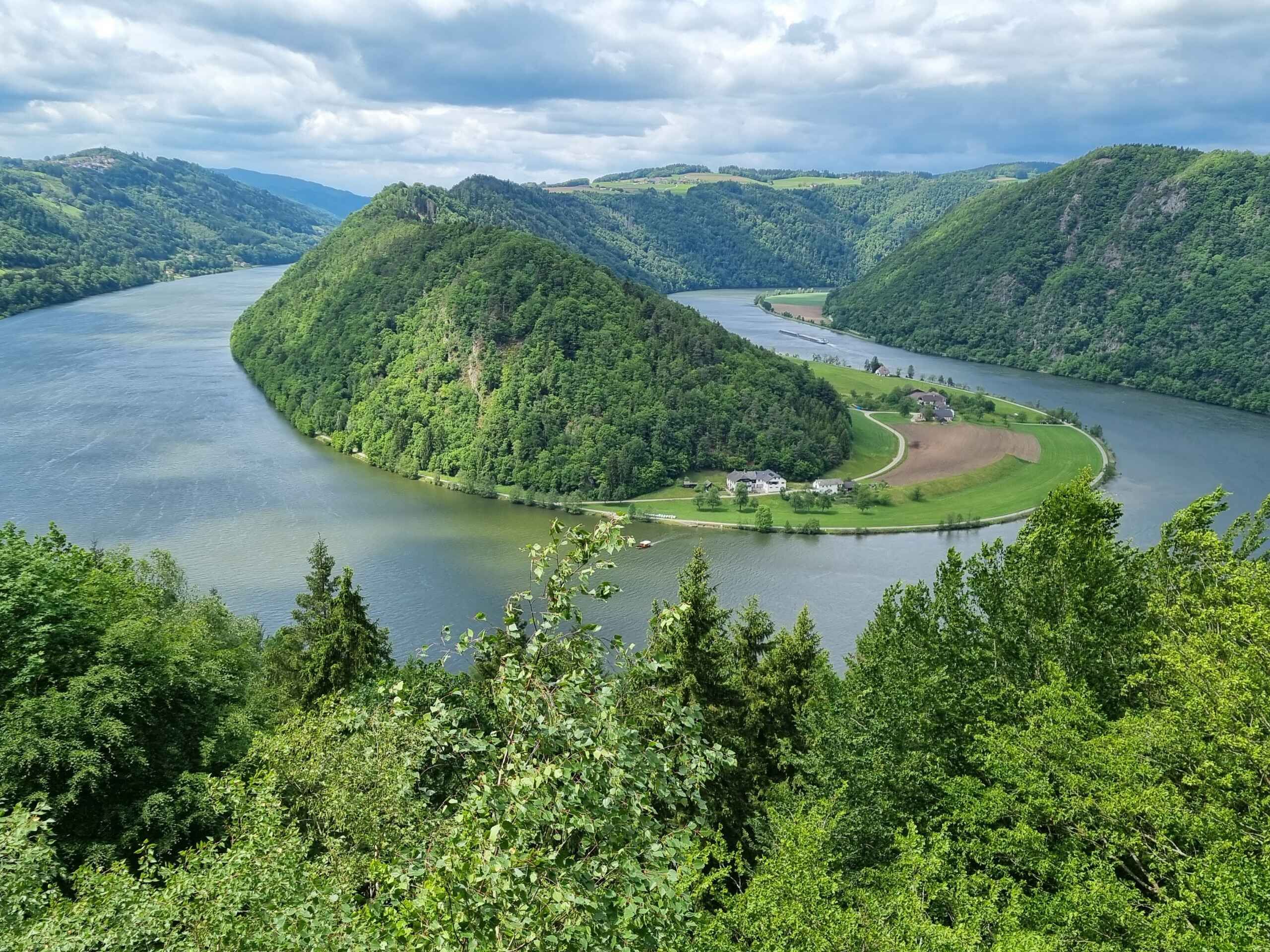
Passau to Vienna is the classic Danube cycling journey and the section most first-time visitors should consider. Leaving Passau, the route follows the river into Austria, passing the dramatic Schlögen Bend before continuing toward Linz, Grein, Melk, the Wachau Valley, Krems, and finally Vienna.
The Self-Guided 10-Day Danube Bike Tour follows this route from Passau or Schärding to Vienna. It is rated easy, with minimal elevation and riding days generally between about 30 and 66 km. Luggage transfers, route information, GPS navigation, and a ferry crossing at Schlögen are included, and an e-bike can be rented if preferred.
The longer format leaves room for stops in Linz, monasteries and small towns, time in the Wachau Valley, and a relaxed arrival in Vienna.
The Wachau Valley
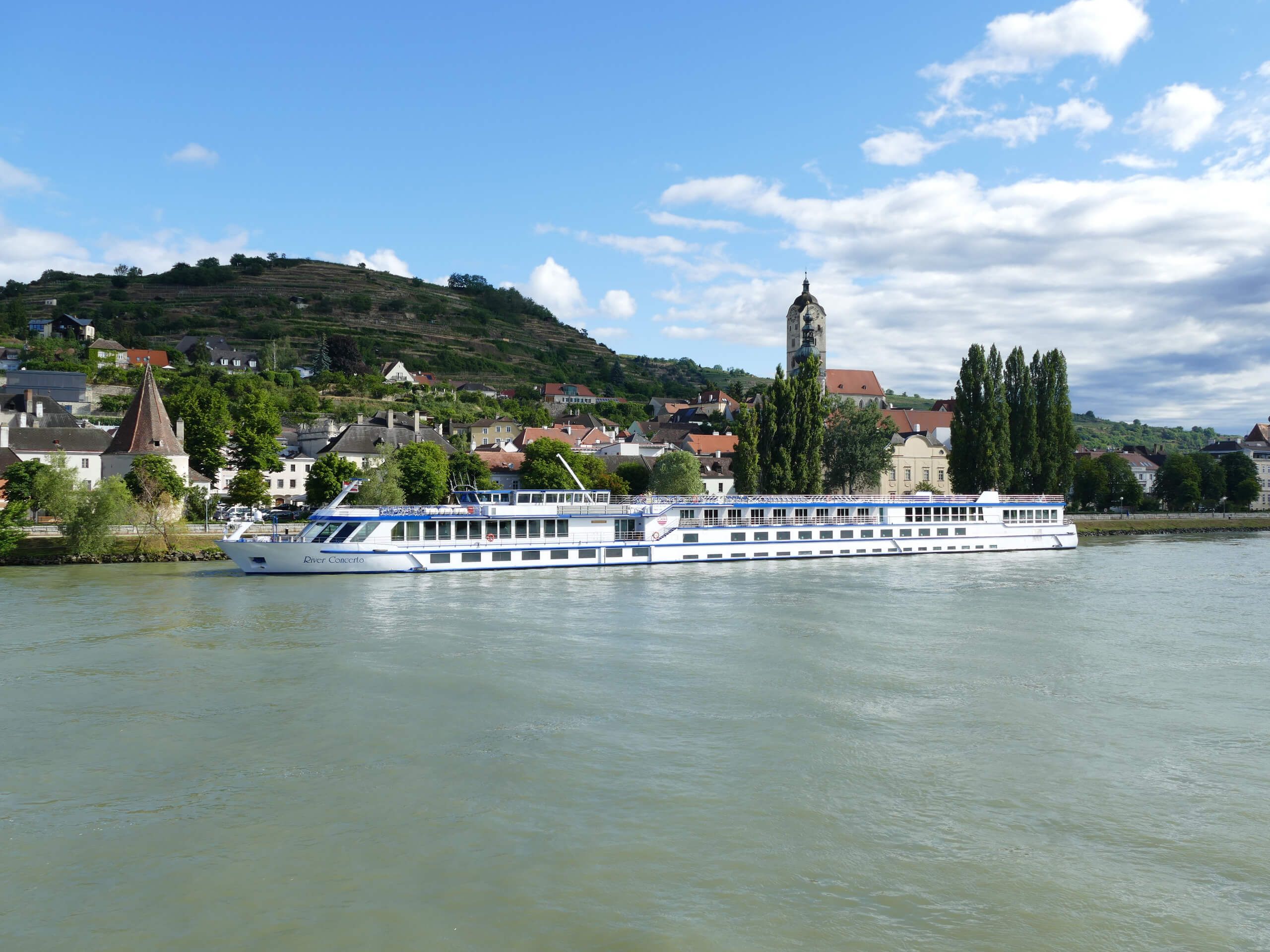
The Wachau is one of the highlights of the Austrian Danube. Between Melk and Krems, the river passes steep vineyard slopes, orchards, castles, and wine villages such as Dürnstein, Spitz, and Weißenkirchen. Melk Abbey is one of the route's major landmarks, while the smaller villages make this section especially suited to slower riding and café or wine stops.
The Danube Family Cycling Tour also includes the Wachau as part of an eight-day self-guided trip in Austria. It is rated easy and uses shorter daily rides, which gives families and leisure cyclists more time for stops along the river.
Vienna to Bratislava and Budapest
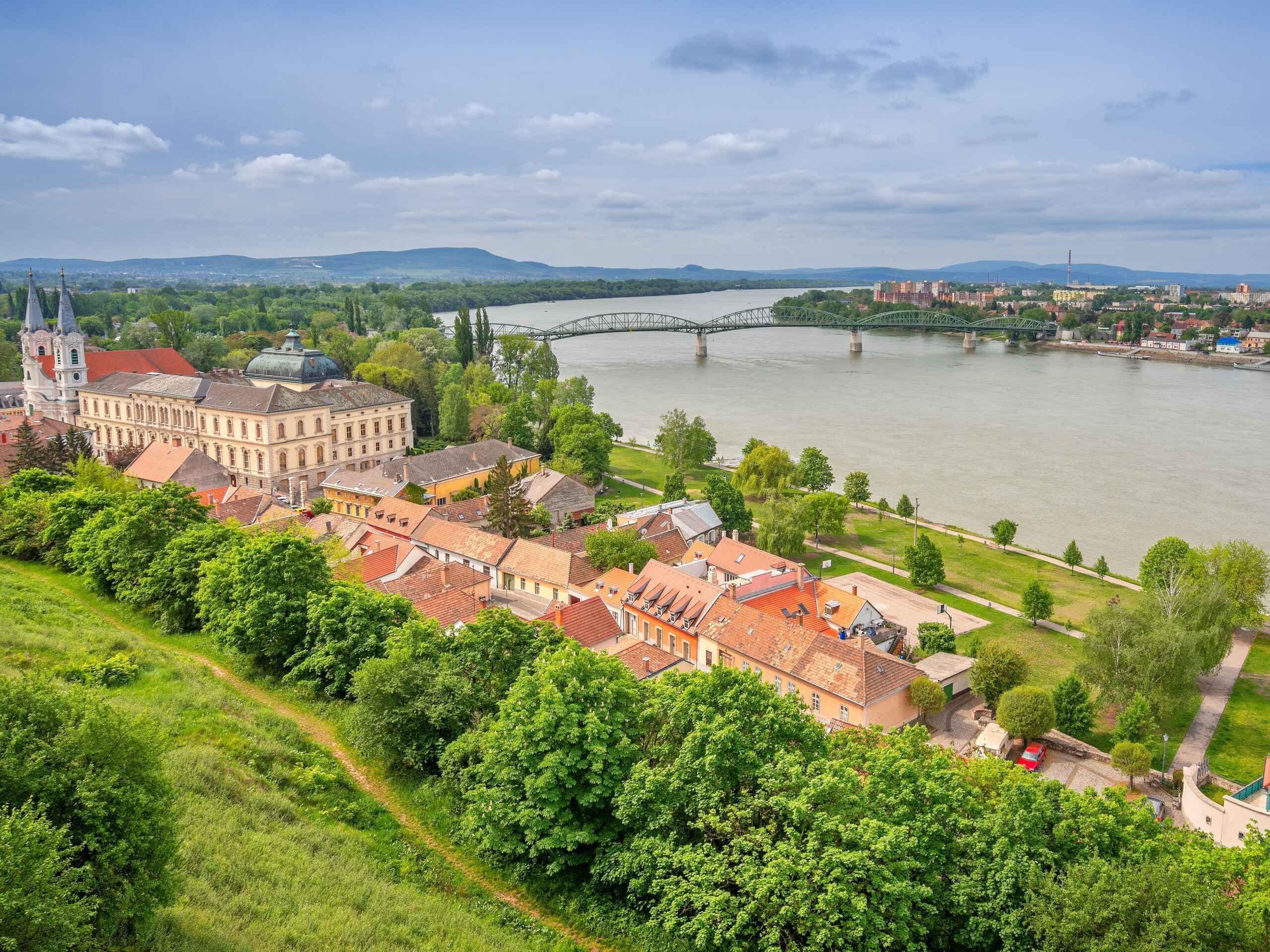
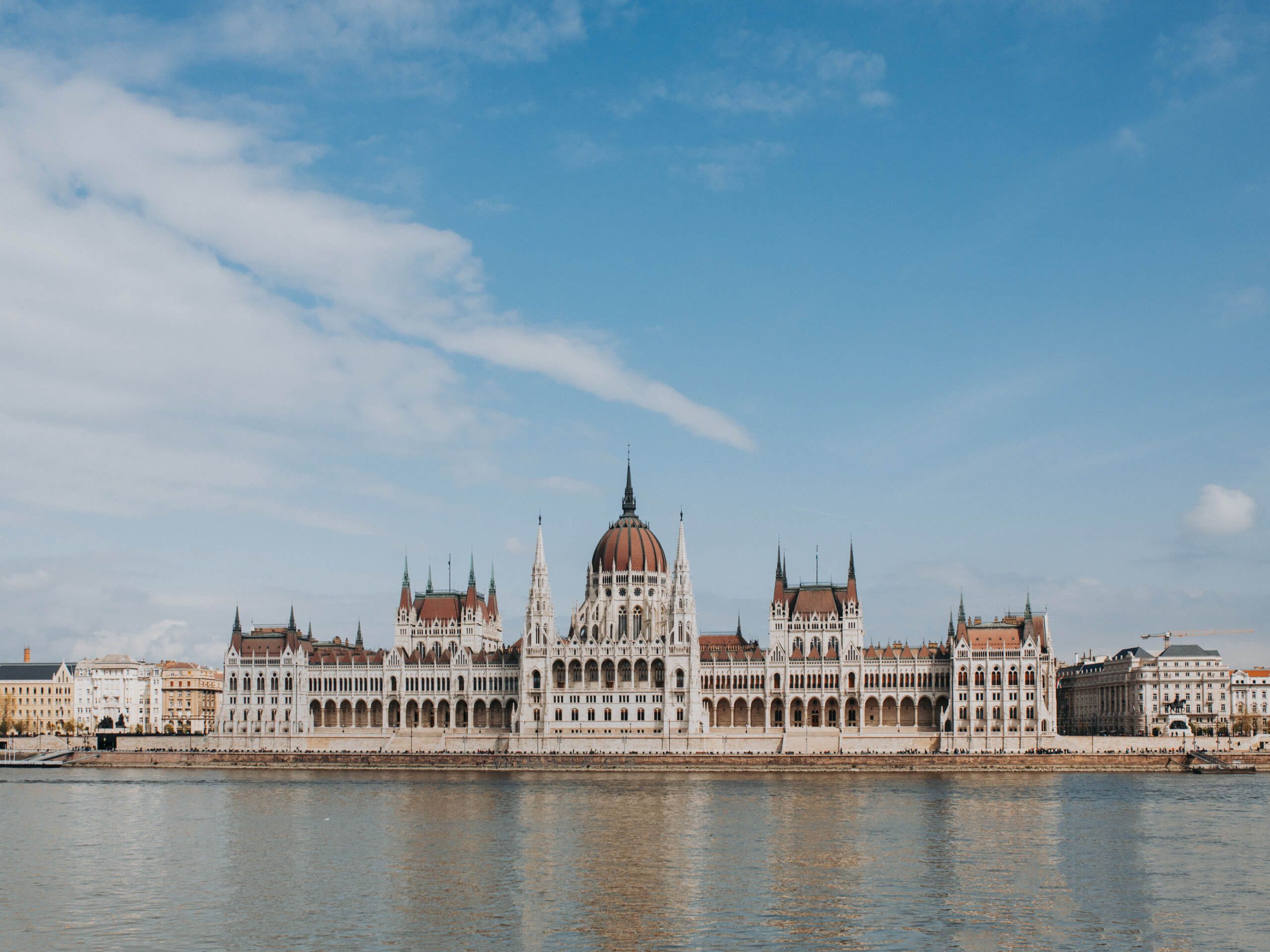
East of Vienna, EuroVelo 6 continues through the Danube floodplains toward Bratislava before entering Hungary. The Vienna to Budapest section links three capitals and passes places such as Tata, Visegrád, Vác, Szentendre, and the Danube Bend.
This section feels different from Passau to Vienna. The Austrian stretch is famous for vineyards and tightly spaced river towns, while the journey east adds border crossings, larger distances, and a stronger city-to-city feel. Riders planning Vienna to Budapest should study the exact route and surfaces for their dates rather than assuming every kilometre matches the highly developed Austrian path.
Beyond Budapest
EuroVelo 6 continues downstream through Croatia, Serbia, Romania, and Bulgaria before reaching the Black Sea. These eastern stretches are less uniform than Passau to Vienna, so route conditions, services, and daily distances require more planning. For many first-time Danube cyclists, the Austrian section remains the simplest introduction.
Cycling the Danube by Bike and Boat
A bike-and-boat trip is another way to experience the river without cycling point to point every day. The Danube River Guided Bike and River Cruise travels through Germany, Austria, Slovakia, and Hungary, with cycling around Vienna, the Danube Bend, Bratislava, and the Wachau.
The guided itinerary uses e-bikes and includes about 150 km of cycling across five riding days. Because the cruise ship remains your accommodation, it suits travellers who want to see several Danube regions without packing up and changing hotels each morning.
How Difficult Is the Danube Cycle Path?
The Passau to Vienna route is one of the more approachable multi-day cycling trips in Europe. Much of the riding is flat or gently downhill, and long sections use dedicated paths or quiet riverside roads. The main challenge is usually spending several days in the saddle rather than climbing steep gradients.
Difficulty increases with longer daily distances, sections farther east, or hot and windy weather. Even on an easy route, check the planned mileage, surface, and estimated time on the bike.
Best Time to Cycle the Danube in 2027
Late spring through early autumn is the main cycling season. May, June, September, and early October are especially appealing because temperatures are often comfortable for riding and the busiest summer period can be avoided. July and August offer long daylight but can bring more heat and more visitors to popular towns.
The main Danube cycling season runs from spring into autumn, with supported itineraries commonly scheduled between April and October. For a 2027 holiday, confirm exact departure dates when booking and check river and route conditions shortly before travelling.
Why Choose a Self-Guided Danube Cycling Trip?
The Danube is well suited to self-guided cycling because the route connects regular towns and established visitor areas. On supported trips, accommodation, luggage transfers, route notes, and navigation are arranged, while you decide when to stop for a riverside lunch, a monastery, a wine village, or an extra hour in a historic centre.
Passau to Vienna is especially well suited to this format. The route is easy to follow in many places, while pre-arranged overnight stops and luggage transfers keep the multi-day journey simple. Riders adding extra time elsewhere in Austria can use the Austria Travel Guide to plan the rest of the trip.
Can You Ride the Danube Cycle Path on an E-Bike?
Yes! E-bikes are a practical option on the Danube, even though the classic Austrian section is relatively flat. Electric assistance can help on longer days, in headwinds, or when riders in the same group have different fitness levels.
E-bike rental is offered on the 10-Day Danube Bike Tour, while the guided Danube bike-and-river cruise uses e-bikes as part of the itinerary. If renting, confirm battery range, sizing, charging arrangements, and what equipment is included before departure.
Danube Cycle Path Maps and Practical Planning
A map is useful because the Danube Cycle Path is not a single short trail with one fixed start and finish. The official Lower Austria Danube Cycle Path site provides stage information for the Austrian river route, while EuroVelo covers the wider international journey.
Trains serve many major Danube towns, which helps with one-way trips and route changes. Pack padded cycling shorts, breathable layers, a waterproof jacket, sun protection, gloves, water, snacks, and offline navigation. On longer trips, leave enough time for places such as Passau, Linz, Melk, Vienna, Bratislava, and Budapest instead of building the itinerary only around kilometres. These stops, no matter how quaint or bustling, are incredible to explore, thanks to their storied histories and detailed architecture.
Frequently Asked Questions About the Danube Cycle Path
How long is the Danube Cycle Path?
It depends on which section you mean. The famous Passau to Vienna route is about 325 km. EuroVelo 6 continues east from Vienna to Budapest for roughly another 310 km and follows the Danube much farther downstream.
Is the Danube Cycle Path suitable for beginners?
Passau to Vienna is a strong choice for beginners who are comfortable riding several days in a row. The terrain is generally flat, services are frequent, and supported trips can include luggage transfers and route planning.
How many days do you need to cycle from Passau to Vienna?
Most leisure itineraries take about a week to ten days, depending on daily mileage and rest time. A slower schedule gives more time for Linz, Melk, the Wachau Valley, and Vienna.
What is the best time to cycle the Danube?
May to June and September to early October are excellent choices for comfortable temperatures and fewer peak-summer crowds. July and August are also possible but can be hotter and busier.
Can you cycle from Vienna to Budapest?
Yes. EuroVelo 6 continues from Vienna through Bratislava and into Hungary toward Budapest. This section is roughly 310 km and should be planned separately from the classic Passau to Vienna trip.
Do you need a road bike for the Danube Cycle Path?
Nope! A touring bike, hybrid, or e-bike is usually well suited to the route. Comfort over several consecutive days is more important than using a fast road-racing setup.
Nadine Gravis
Aug 25, 2026
Whether exploring Algonquin Provincial Park by canoe, or hiking Torres del Paine, Nadine loves spending time outdoors and sharing about her experiences.
Recent stories
Destinations
Walking in Portugal: Best Walking Trips and Routes
Portugal packs an unusual amount of variety into a relatively small country.
Nadine Gravis
Oct 5, 2026

Destinations
Walking in China: Best Walking Trips and Routes
China offers walking experiences that range from historic routes to high mountain treks.
Kelsey Krahn
Oct 2, 2026
Destinations
Tour du Mont Blanc Map: Route, Variations and Key Stops
The Tour du Mont Blanc is a long-distance hiking circuit around the Mont Blanc massif, passing through France, Italy and Switzerland.
Lynn Campbell
Sep 28, 2026