
BlogDestinationsViaRhôna Cycle Route: A Complete Guide to Cycling the Rhône
ViaRhôna Cycle Route: A Complete Guide to Cycling the Rhône
Table of contents

Richard Campbell
Aug 25, 2026
Richard is the Founder of 10Adventures, and as a writer shares his experience from 30+ years exploring the world by foot, bike, ski, and boat.
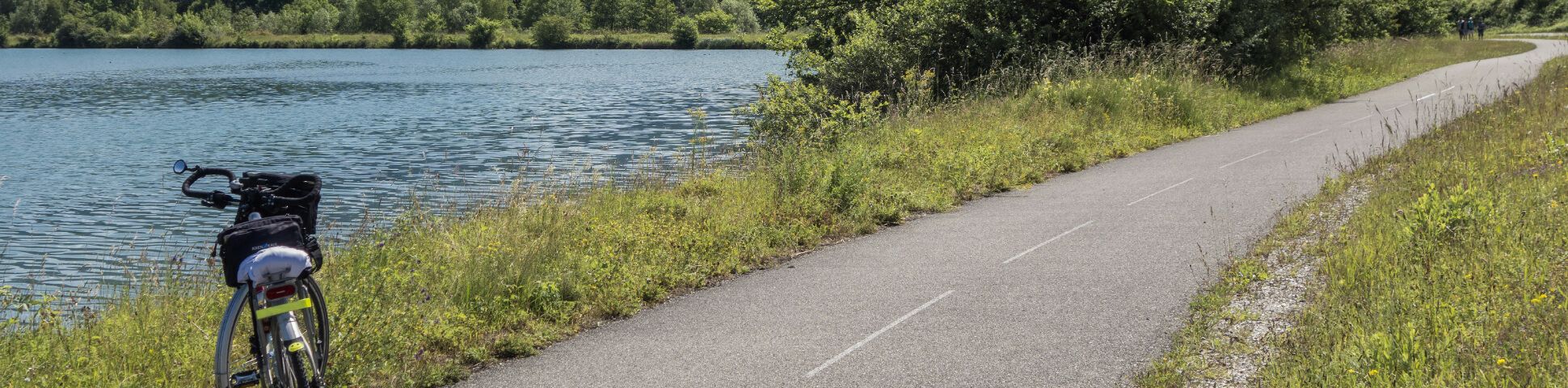
The ViaRhôna cycle route follows the Rhône from the shores of Lake Geneva through vineyards, historic cities, small towns, and the landscapes of southern France before reaching the Mediterranean. It is one of the most varied long-distance rides in France, moving from Alpine scenery to the Rhône Valley, Provence, and the Camargue.
Riders can take on a large part of the route in one trip or choose a shorter section around Geneva, Lyon, or the lower Rhône. Self-Guided France Bike Tours include several ViaRhôna itineraries, making it possible to choose a route length that fits your available time and daily mileage.
What Is the ViaRhôna Cycle Route?
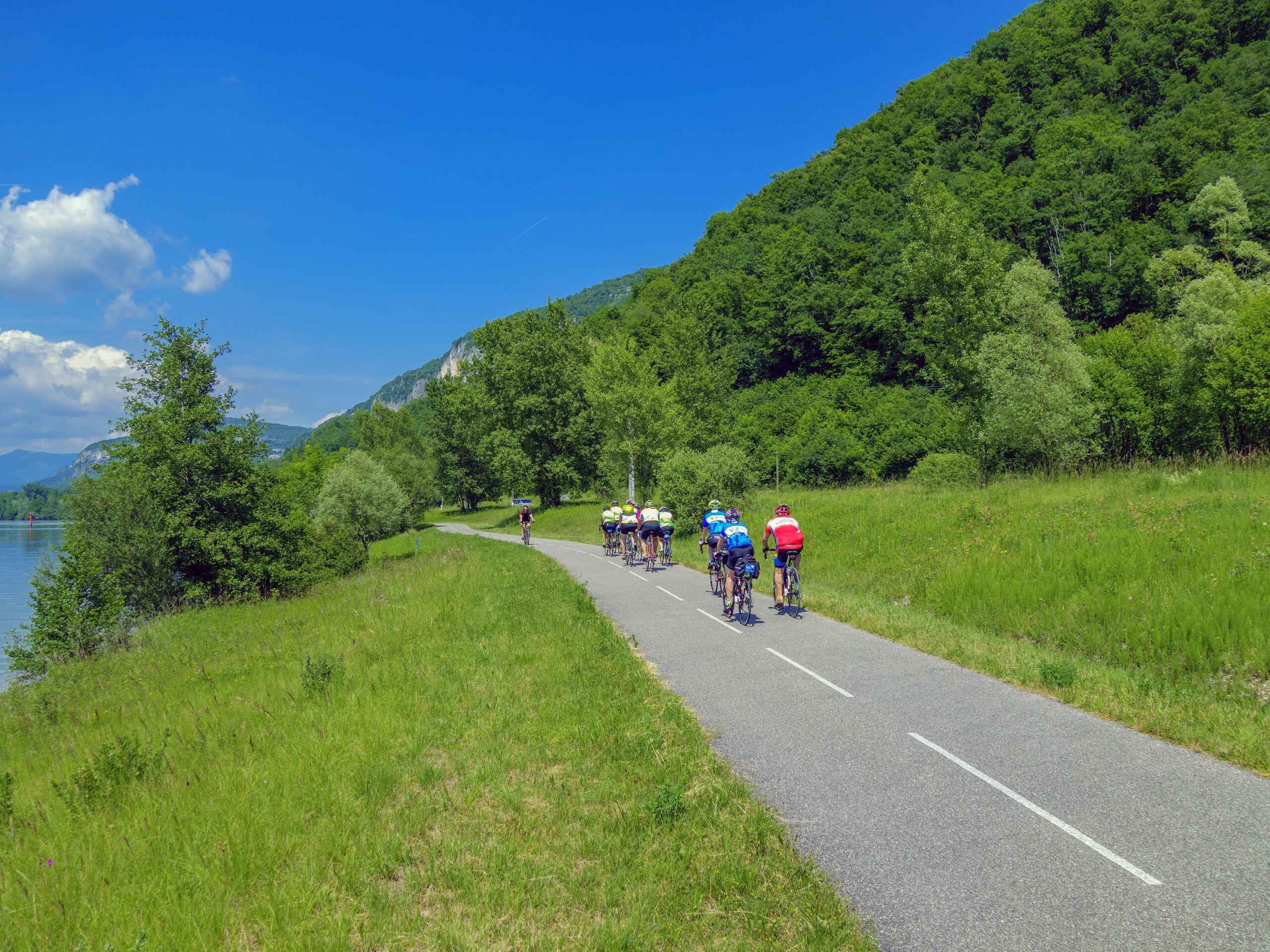
ViaRhôna is an 815 km long-distance cycling route in France that begins at Saint-Gingolph on Lake Geneva and follows the Rhône south toward the Mediterranean. The official route is divided into 25 stages and mixes greenways, cycle paths, quiet roads, and some provisional or busier sections.
The scenery changes considerably along the way. Northern stages are shaped by Lake Geneva and the upper Rhône; farther south come wine country, Roman towns, Provence, the Camargue, salt lagoons, canals, and Mediterranean beaches.
Official route information lists the ViaRhôna as 87% complete, with full completion planned for 2027-28. That matters because the route is not one continuous protected bike path. Most of the journey is approachable, but several stretches still require attention to traffic, temporary routing, and surface changes.
ViaRhôna and EuroVelo 17
ViaRhôna forms the French section of EuroVelo 17, the wider Rhône Cycle Route. In Switzerland, EuroVelo 17 follows the Rhône Route before connecting with the ViaRhôna around Lake Geneva, allowing cyclists to extend the journey into a longer cross-border ride.
From Lake Geneva, riders can continue into Switzerland or explore other French cycling regions. Self-Guided Switzerland Bike Tours cover routes around Lake Geneva and the Alps, while the France Cycling Tours Guide highlights other major cycling regions across France.
Main Sections of the ViaRhôna
Lake Geneva and Geneva to Seyssel
The official start at Saint-Gingolph sits on the southern shore of Lake Geneva. The first stages pass Evian-les-Bains, Thonon-les-Bains, and Geneva before turning toward the upper Rhône. This is scenic country riding, but it should not be treated as uniformly easy. The official ViaRhôna site warns that the Saint-Gingolph to Evian stretch and parts of the route toward Seyssel are better suited to experienced cyclists because of busier roads and hillier terrain.
A convenient alternative is to begin in Geneva. For example, the Self-Guided Rhône River by Bike: Geneva to Lyon is a seven-day moderate trip that follows the upper ViaRhôna into France. Riders should be comfortable with days of up to about 60 km over a mix of flat and hilly terrain.
Seyssel to Lyon
South of Seyssel, the route follows the Rhône through the Bugey landscape, passing vineyards, river villages, and historic settlements before reaching Lyon. It is a practical choice for cyclists who want the character of the ViaRhôna without committing to the longer cross-border itinerary.
The Self-Guided Rhône River by Bike: Seyssel to Lyon covers this section in six days. It is rated moderate and gives riders a shorter introduction to the upper Rhône Valley before finishing in Lyon.
Lyon to Orange
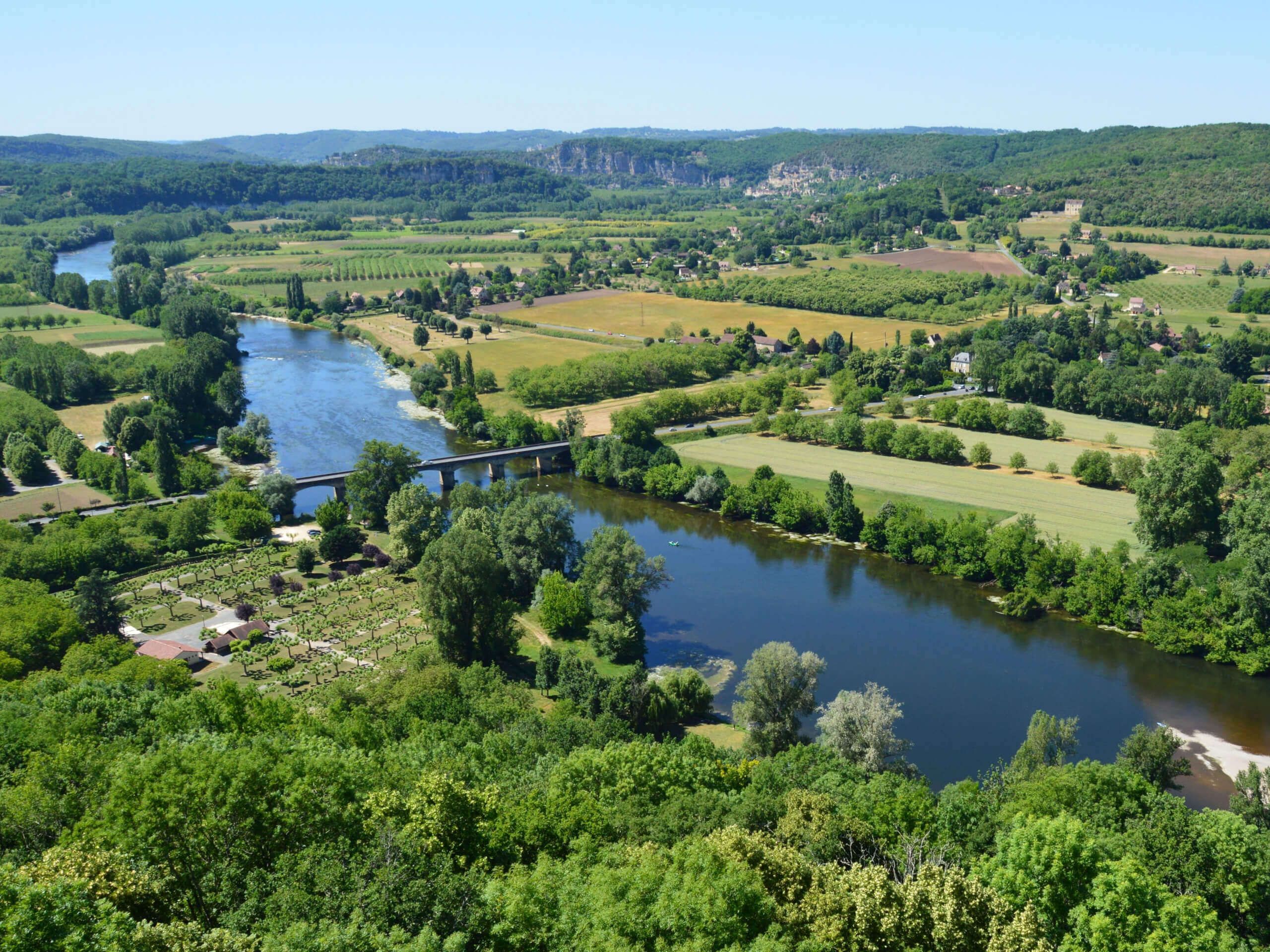
South of Lyon, the Rhône Valley opens into famous wine country around places such as Vienne, Tain-l'Hermitage, and Valence before continuing toward Provence. Expect flatter river sections mixed with rolling terrain.
The Self-Guided Rhône River by Bike: Lyon to Orange takes eight days and is rated moderate. Daily riding can reach roughly 72 km, so this section suits cyclists who are comfortable spending several consecutive days in the saddle.
Orange to the Mediterranean
The full ViaRhôna continues beyond Orange toward Avignon, Arles, the Camargue, and the Mediterranean. Near the coast, the landscape shifts to canals, marshes, salt lagoons, and beaches, with southern options toward Port-Saint-Louis-du-Rhône and Sète.
10Adventures' Self-Guided Full ViaRhôna Cycling Route: Geneva to Orange covers 13 days from Geneva to Orange. It does not continue all the way to the Mediterranean, but it links the upper and lower Rhône into one longer trip and includes riding days of up to about 70 km.
How Long Does It Take to Cycle the ViaRhôna?
There is no single correct schedule for the ViaRhôna. The official route is divided into 25 stages, but cyclists often combine stages according to fitness and preferred daily distance. A relaxed end-to-end journey can take around two weeks or longer.
For many travellers, a section is more realistic than the entire 815 km route. Geneva to Lyon works well for about a week, Lyon to Orange for roughly a week, and combining both creates a longer Rhône Valley cycling holiday without requiring the final Mediterranean stages.
How Difficult Is the ViaRhôna?
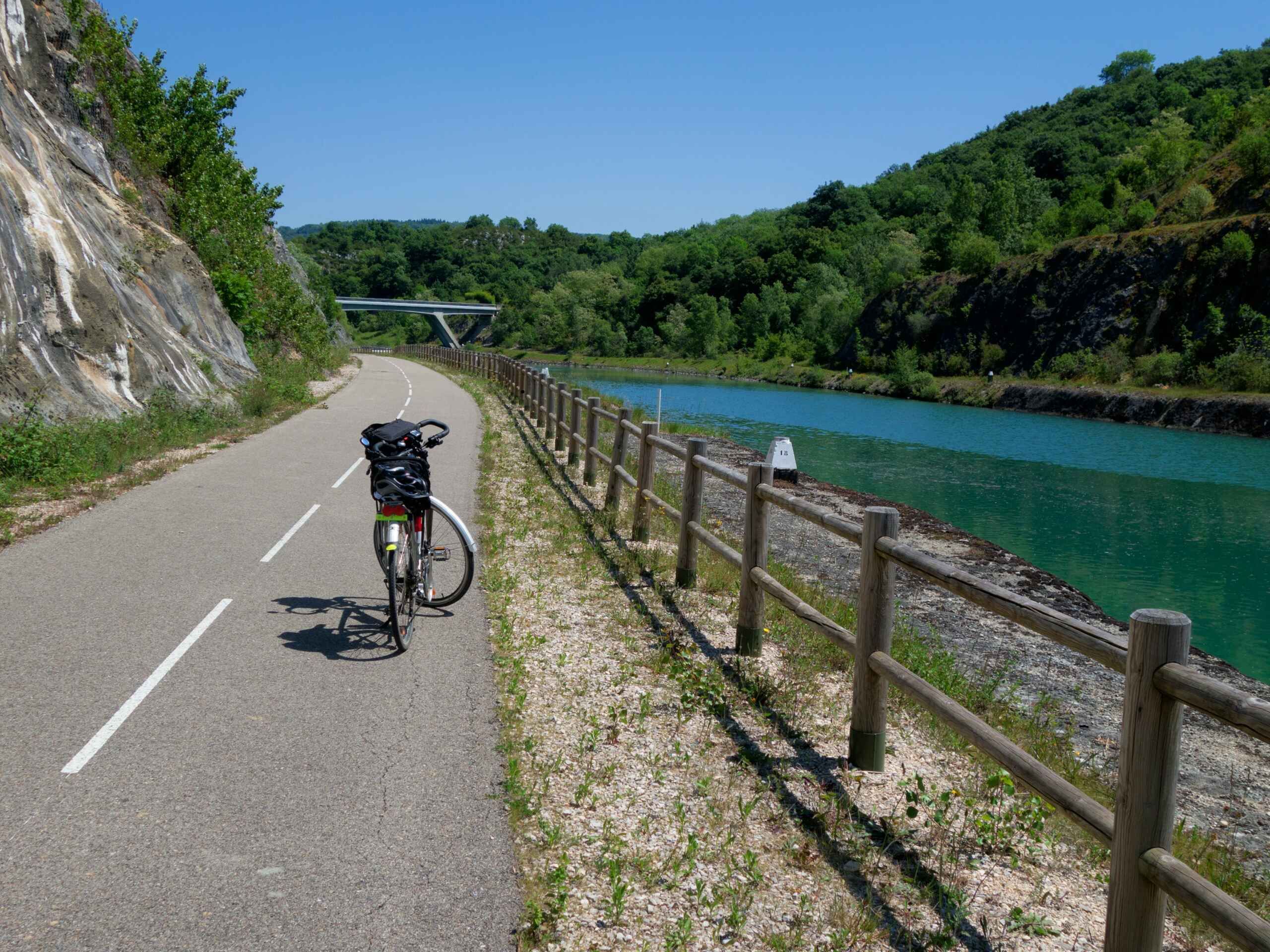
The ViaRhôna is an approachable long-distance route in many places, but difficulty varies by section. Much of it uses smooth cycleways and low-traffic roads; the main challenges are accumulated distance, occasional hills, heat, wind, traffic, and provisional sections.
Beginners should choose their starting point carefully. Some northern sections around Lake Geneva and the border area are specifically recommended for experienced cyclists, while the official route also advises caution around the temporary Lyon-Givors connection. Choosing a pre-planned itinerary can make these sections easier to manage because the daily route and navigation are set out in advance.
Best Time to Cycle the ViaRhôna in 2027
Spring and early autumn are the most comfortable periods for many riders. April to June usually brings mild riding temperatures and greener landscapes, while September and October can offer warm days with fewer peak-summer crowds. The 10Adventures ViaRhôna itineraries generally operate from April through October.
July and August can work, but the lower Rhône and Provence may be hot, and popular towns can be busier. Wind is another factor in the Rhône Valley, especially farther south, so daily conditions matter as much as the monthly average. For a 2027 trip, confirm individual tour dates and route notices before finalizing travel.
Why Choose a Self-Guided ViaRhôna Tour?
Self-guided cycling suits the ViaRhôna because riders can move independently while major logistics are arranged in advance. On the 10Adventures Rhône itineraries, accommodation, route information, GPS navigation, and luggage transfers are included.
On a long point-to-point route, pre-arranged accommodation and luggage transfers mean you can keep moving south without returning to the same hotel each night. You can still stop for a village, vineyard, lunch, or riverside break without following a group schedule. Similar point-to-point trips can be found among Guided and Self-Guided Europe Bike Tours if you are considering other long-distance cycling routes in Europe.
Can You Cycle the ViaRhôna on an E-Bike?
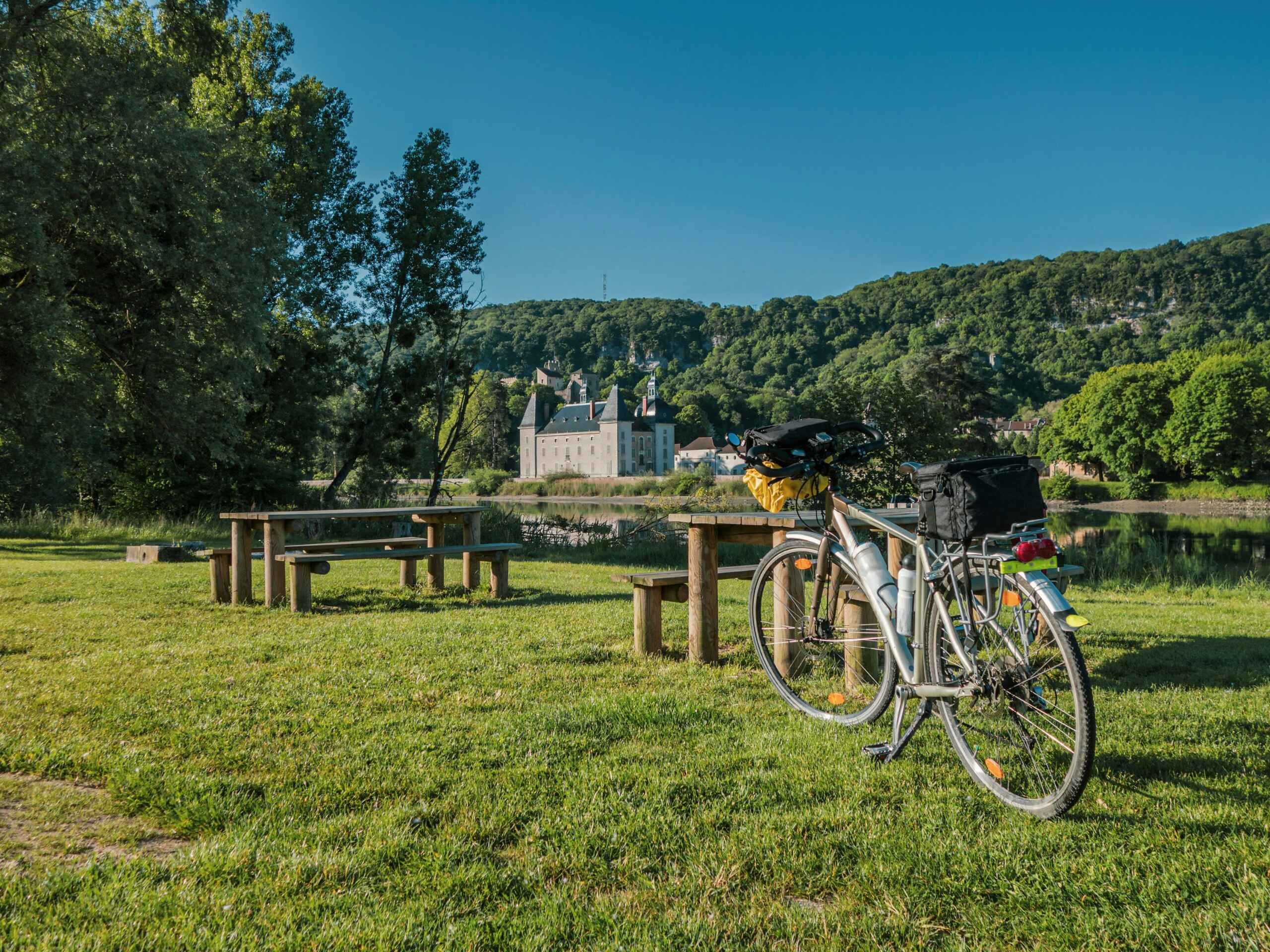
Yes! An e-bike can make the longer days and rolling sections more comfortable, particularly for riders who want to focus on sightseeing rather than pace. E-bike rentals are offered on several Rhône River itineraries, including the Geneva to Lyon and Lyon to Orange trips.
Battery range still needs planning. Long days, headwinds, hills, and heavy assistance can reduce range, so charge overnight and follow the rental guidance provided. If electric assistance is an important part of your trip, E-Bike Tours include additional cycling itineraries where e-bike options are available.
Practical Tips for Cycling the ViaRhôna
Check the route status before departure, especially on provisional sections. The official ViaRhôna website publishes stage information, route updates, maps, accommodation, repair services, and transport guidance. Trains serve many towns along the Rhône, which can be useful if weather, fatigue, or a route change affects your plans.
Pack padded cycling shorts, breathable layers, a waterproof and windproof jacket, sun protection, gloves, basic repair supplies, and a charged phone or GPS device. Carry water and snacks even on well-served stages, and leave room in the schedule for towns such as Lyon, Vienne, Valence, Avignon, and Arles rather than treating every day only as a mileage target.
Frequently Asked Questions About the ViaRhôna
How long is the ViaRhôna cycle route?
The ViaRhôna is about 815 km from Lake Geneva to the Mediterranean in France. It forms the French section of the longer EuroVelo 17 Rhône Cycle Route.
Where does the ViaRhôna start?
The official ViaRhôna starts at Saint-Gingolph on Lake Geneva. Many touring itineraries begin in Geneva or farther south because the earliest sections include some busier and more demanding roads.
Where does the ViaRhôna finish?
The route reaches the Mediterranean through the Rhône delta and coastal branches. Cyclists can continue toward Port-Saint-Louis-du-Rhône or follow the western branch through Aigues-Mortes and Palavas-les-Flots to Sète.
Is the ViaRhôna suitable for beginners?
Parts of it are, but not every stage. Beginners are better served by choosing established, easier sections and checking official route warnings rather than assuming the entire 815 km route is traffic-free.
Do you need a road bike for the ViaRhôna?
Nope. A hybrid, touring bike, gravel bike, or suitable e-bike is often a practical choice because the route combines smooth cycleways, roads, and occasional rougher or provisional surfaces.
Richard Campbell
Aug 25, 2026
Richard is the Founder of 10Adventures, and as a writer shares his experience from 30+ years exploring the world by foot, bike, ski, and boat.
Recent stories
Destinations
Walking in Portugal: Best Walking Trips and Routes
Portugal packs an unusual amount of variety into a relatively small country.
Nadine Gravis
Oct 5, 2026
Destinations
Walking in China: Best Walking Trips and Routes
China offers walking experiences that range from historic routes to high mountain treks.
Kelsey Krahn
Oct 2, 2026
Destinations
Tour du Mont Blanc Map: Route, Variations and Key Stops
The Tour du Mont Blanc is a long-distance hiking circuit around the Mont Blanc massif, passing through France, Italy and Switzerland.
Lynn Campbell
Sep 28, 2026