

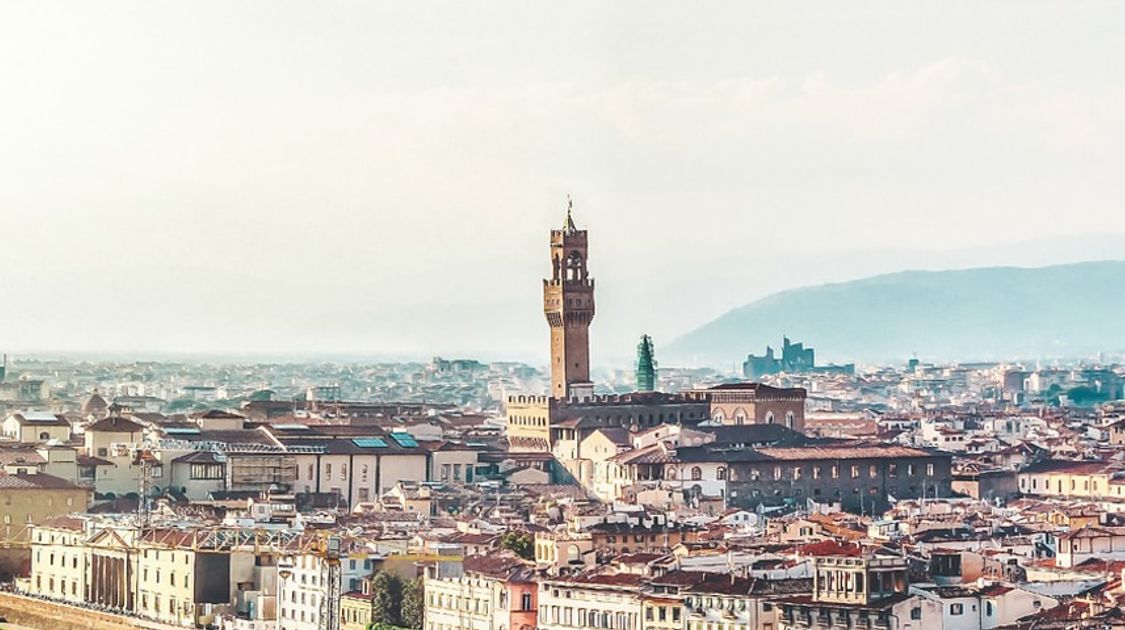
BlogTrip GuidesPlanning a Trip to Tuscany in 2026: Ultimate Tuscany Travel Guide
Planning a Trip to Tuscany in 2026: Ultimate Tuscany Travel Guide
Table of contents

Lynn Campbell
Apr 27, 2026
Lynn is the co-Founder of 10Adventures. She had never slept outside until she was 28 years old, and now is an ardent hiker, backpacker, traveller, and bike tourer!

Beautiful shores of Elba island in Tuscany
About Tuscany
Tuscany is a region in central Italy along the western coast and extending inland. It is known as the birthplace of the Renaissance, and as such it is a place full of history, art, music, architecture, and rich culture. It is also known for its spectacular landscapes, delicious cuisine, and magnificent wineries. Tuscany truly offers something for everyone, from outdoor adventures to culinary experiences to museums and cultural experiences. No trip to Tuscany is complete without a sampling of all these things.
Tuscany is also a very diverse region. While most people picture the green rolling hills of the famous Tuscan countryside, the northern part of Tuscany is mountainous and features the rugged beauty of the Apuan Alps. The Etruscan coastal region boasts another kind of natural beauty and lovely beaches. There is even a desert-like area known as the Accona Desert. In fact, Tuscany offers such a wealth and diversity of experiences that planning a trip to this remarkable area can be overwhelming. Fear not! We’re here to help!
If you are also considering the Italian coast, read our complete guide to planning a trip to the Amalfi Coast.

Beautiful Tuscan architecture in Italy
What to Know Before Visiting Tuscany in 2026
For 2026, Tuscany remains especially popular in spring and autumn, so plan ahead for Florence and Siena museum tickets, winery visits, self-guided walking or cycling tours, and Elba ferry schedules, and confirm current opening hours before you travel.
Here is what to keep in mind as you plan your Tuscany trip for 2026:
- Book the must-see attractions early: The Galleria dell’Accademia (Michelangelo’s David) and the Uffizi Gallery in Florence sell out weeks in advance during peak season. Winery visits in Chianti and Montalcino are also best reserved ahead of time.
- Elba ferry: If you are visiting Elba Island, book your Piombino ferry in advance. Vehicle crossings fill quickly in July and August.
- Best season for hiking and cycling: The Via Francigena, Val d’Orcia walks, and cycling tours are at their best in May, June, September, and October when temperatures are comfortable and foot traffic is lower.
- Self-guided tours: 10Adventures offers self-guided walking and cycling tours across Tuscany with accommodation, luggage transfer, and GPS route guidance included.
How to Get to Tuscany for Your 2026 Trip
Tuscany is a popular tourist destination so getting there is relatively easy. Italy has good infrastructure and you’ll find trains, buses, and taxis that can get you where you want to go. There are several major airports and driving is generally not complicated.
Flying to Tuscany
There are two main airports in Tuscany: Amerigo Vespucci Airport in Florence (FLR) and Galileo Galilei International Airport in Pisa (PSA). These two airports are only about 80 km apart, and Pisa is the larger of the two. Both airports offer regular flights to major European cities, and North American visitors will likely need to connect through one of these cities.
Larger international airports within a reasonable driving distance are located in Milan, Bologna, and Rome. The best airport for you will depend on where you are planning to spend your time in Tuscany, where you are flying from, your budget, and how flexible you are regarding schedules. If you will be visiting several areas in Tuscany, arriving and departing from different airports might make the most sense for you. Buses, trains, and car rentals are available from all of these recommended airports.
Approximate distances and drive-times from these airports to great locations for your Tuscan adventure:

Driving to Tuscany
Driving to Tuscany from other parts of Europe is easy. There are several European highways (E35, E76, and E80) that run through Tuscany, as well as other good roads that will give you great views as you travel.
Use the airport driving chart above to estimate driving times from major Italian cities such as Rome, Milan, and Bologna.
Best Time to Visit Tuscany in 2026
The best time to visit Tuscany is in the spring or fall. The months of April, May, June, September, and October offer the best weather, and therefore they are also considered peak tourist season in the region. June offers several local festivals that may be fun to experience. The summer months of July and August can be very hot so if you’re traveling during this time, it may be worth spending a little extra for an air-conditioned hotel. In the winter, Tuscany can be cold and rainy and there is often snow in the mountains. Many attractions will be closed or operating on restricted hours during the off-season.

Bridges over the river in Florence, Tuscany
Self-Guided Tours in Tuscany
The best way to explore Tuscany is on a walking or cycling holiday. Walking and cycling allow you to slow down and experience Tuscany, not just see it. In addition, by going slower you can visit more authentic parts of Tuscany, often being one of the few non-locals in a village.
The easiest way to explore Tuscany by foot or bicycle is on a self-guided tour. A self-guided tour in Tuscany will include accommodation, some meals, luggage transfers, an itinerary, typically a GPS app to show you where to go, and a local team who is available to answer questions you have while travelling.
Self-Guided Bike Tours in Tuscany
Self-guided cycling tours in Tuscany are wonderful, letting you explore the rolling hills and charming villages at an almost perfect pace. Even better, with e-bikes, cycling tours are now available to almost all travellers with a minimal level of fitness. A few of our favourite cycling tours in Tuscany are:
- 5-Day Tuscany Cycling Itinerary: Want to add a few days cycling onto a trip to Tuscany? This 5-day cycling itinerary takes you to stunning towns like San Gimignano, Volterra, and Montecatini!
- Cycling the Val d'Orcia: One of the prettiest valleys in Tuscany is the Val d'Orcia. Based at an agriturismo in Buonconvento you ride out on pretty rides each day, exploring this magical corner of Tuscany.
- Cycling the Via Francigena: The Via Francigena is a pilgrimage trail that goes from the UK to Rome, and this tour allows you to cycle from Parma to Siena, two beautiful towns. Along the way you will stop in Lucca, San Gimignano, and other beautiful towns. You can also complete the Via Francigena by cycling from Siena to Rome.
- Cycling from Cortona to Siena: This is a wonderful cycling tour in Tuscany, connecting two of the most popular towns in Siena and Cortona. But you also get to cycle through Pienza, Montepulciano, and around Lake Trasimeno!
Self-Guided Walking Tours in Tuscany
Exploring self-guided walking tour in Tuscany is also spectacular, and the luggage transfer is even better making your daily walking between villages much easier. Some of the most popular self-guided walking tours in Tuscany are:
- The Via Francigena is the classic walk in Italy, and there are three stages in Tuscany. There is Lucca to Siena, then you walk the Via Francigena from Siena to Montefiascone, and the final section of the Via Francigena is Montefiascone to Rome.
- Elba Island is a beautiful paradise for walkers, just off the coast of mainland Italy. The Self-Guided Elba Island Walking tour lets you explore much of the beautiful island.
- You can also walk the Val d'Orcia, and this tour takes in the highlights such as Pienza, Montepulciano and Siena.
- The St. Francis Way is another beautiful pilgrimage tour in Tuscany, and a popular route is the Florence to La Verna tour.
How to Get Around Tuscany
Driving yourself is the most flexible way to get around Tuscany, enabling you to get off the highways, explore smaller roads, and stop whenever something catches your eye. Exploring by bicycle allows you to discover this beautiful region in a more intimate way, though it naturally limits your distance range more than driving. Cyclists will find many small roads perfect for riding, and it is possible to get around while avoiding highly-trafficked roads.
Buses and trains are available throughout the region, typically with Florence as a hub. Choose a regular train or pay a supplement and ride on a high-speed train. The Frecciarossa (FR) high-speed service connects major Italian cities and stops in Florence. This is the fastest, most comfortable, and most expensive option for covering longer distances.
Elba Island Transportation
Elba Island is 10 km off the coast of Tuscany. Ferries from the mainland leave from Piombino and take 30-60 minutes to arrive in one of three ports on Elba: Cavo, Rio Marina, or Portoferraio. Ferries leave frequently during the peak season, but only run a few times per day during the off-peak season. Booking a ferry in advance is recommended, especially in the peak season. You can take a car across on the ferry, rent a car on the island, or use Elba Island’s bus system to get around the island once you arrive.

Madonna di San Biagio Montepulciano in Tuscany
Tuscany Map for Trip Planning
Use this map to help you plan your trip as you see what attractions are available and how you can get between them.
 Tuscany map
Where to Eat in Tuscany
In a region as large as Tuscany that is known for its incredible cuisine, it’s easy to find an amazing meal almost anywhere you go, and equally difficult to recommend just a few restaurants. In this region, the food and wine are as much a part of the experience as the landscape, art, or architecture are, so take your time. Linger around the table, soak in the ambience, and learn to eat like a local.
As you’re enjoying the fantastic nature, why not pack a picnic so that when you find that breathtaking view you can spread a blanket and create a feast for all your senses. As you walk through town you can buy a loaf of fresh-baked bread at the panetteria, and pick up some pecorino, a popular hard cheese made from sheep’s milk. Meat can be found at the macelleria and you can always find amazing produce at the local markets. Don’t forget to top it off with a bottle of locally produced wine.
Traditional Tuscan Dishes
While you’re sure to find incredible fresh pasta with rich, creamy sauces anywhere in Italy, take the opportunity to sample a few Tuscan specialty dishes, such as:
Lampredotto - the fourth stomach of a cow, cooked in broth and typically served with sauce, thinly sliced on a sandwich.
Crostini Toscani - toasted bread topped with chopped chicken liver sauce.
Panzanella - a cold bread salad made with bread, tomatoes, onions, basil, and olive oil.
Pappa al Pomodoro Soup - soup made from stale Tuscan bread, tomatoes, garlic, and basil.
Castagnaccio - a traditional cake from the mountain regions of Tuscany that can be served either hot or cold. It is made with chestnut flour and topped with seeds and nuts.
Along the Etruscan coast and on the island of Elba, don’t miss the incredible fresh seafood dishes!
Visiting Wineries in Tuscany
Visiting a winery in Tuscany is more than a meal or a wine-tasting event. It is an immersion experience in the ancient culture of these ancient hills. Many wineries offer tours and demonstrations that give you a glimpse of the process, from vine to bottle. Here you can learn about wine from the people who know it best, discovering the diversity of nuanced flavors and aromas.
The four major wine regions: Chianti, Pomino, Carmignano, and Valdarno di Sopra, were officially established in 1716. Chianti is the best-known of these historic territories. A sweet dessert wine called Aleatico is produced on Elba Island. Learn everything you need to know to make the most of your visit to the Tuscan wine country before you go so you can choose how to select the options that most appeal to you.
Remember that you can take wine home with you! When you have discovered your favorite local wines, you can purchase extra to enjoy at home while reminiscing about your dreamy travels in Tuscany. Be aware that airlines have restrictions on how much you can bring with you, and your home country will also have limits on how much you can bring in duty-free. You can also get the wine you purchase shipped to your home address for a fee. The shipping may seem expensive, but it will likely still be cheaper than purchasing the same wine in your local wine shop, if that variety is even available for purchase where you live.

Montepulciano in Tuscany, Italy
Best Things to Do in Tuscany
There is so much to do in Tuscany that you could never do it all in one trip. Regardless of how much time you are able to spend exploring, you will still need to prioritize and choose between a myriad of spectacular options. Save the rest for a future trip, because once this amazing place has gotten under your skin, you’ll be longing to return.
Hiking in Tuscany
From the mountainous north, to the rolling hills of the central and southern regions, to the dramatic coastline and the impressive Elba Island, there are abundant choices for hiking trails in Tuscany. No matter how much time you have or your ability level, you are sure to find a hike that is perfect for you. Discovering Tuscany on foot is well worth the effort.
The ancient Via Francigena pilgrimage route is a popular long-distance trail that stretches from Canterbury to Rome, crossing Tuscany on its way south. You can walk a segment of it, for example the beautiful 20-kilometer stretch from Monteriggioni to Siena.
On Elba Island, take a couple of hours to walk around the Enfola Peninsula loop, taking in spectacular views along the way. While staying in Florence, hike a portion of the Via degli Dei from Fiesole to Firenze. When you’re up in the mountains near Lucca or Carrara, don’t miss the hike up to the summit of Monte Croce.
For longer multi-day routes across the country, explore our guide to the best treks in Italy.
Biking in Tuscany
Cycling is another wonderful way to experience the cities, towns, and countryside of Tuscany. While you can always grab a bike and a map and explore along bike paths and country roads, you can also follow a number of more established routes and itineraries.
The Via Pisana is a walking or cycling path that leads from Florence to Siena. By bike the whole route takes about 4 days, but you could also choose to ride shorter stages for one day or even just for a few hours.
In southern Tuscany, the ride around the picturesque Laguna di Levante on a 25 km loop that takes about 6 hours and begins and ends in Orbetello. On Elba Island, try the 17 km loop that takes you to the top of Monte Perone for amazing coastal views.

Portoferraio as seen from the sea in Elba Island, Tuscany
Driving Tours in Tuscany
Ditch the highly-trafficked highways and motorways and take some classic driving routes from one wonderful town to another. No matter where you start and where you are headed, you can find the perfect scenic route to get you there. Ask at your hotel or find a local for tips on roads that will take you off the beaten path to discover the authentic Tuscany.
Follow the renowned Chiantigiana Road (SR222) for a scenic tour of Chianti along the way between Florence and Siena. Stop along the way in five different small towns for a classic experience of the Chianti region. Or follow the spectacular Etruscan coast and discover the history and culture of the towns between Piombino and Pisa, including stops at several archaeological sites and museums.
Other Can’t-Miss Activities in Tuscany
- Take a vineyard tour or a “grape tour,” such as a guided Super Chianti tour. This includes tours and tastings of two different vineyards and wine cellars, olive oil and cheese tastings, and a tour of the Chianti village of Greve. Lasts up to 8 hours, group size limited from 2-8 people. Book in advance.
- Take a walking tour of Old Town in Siena and then refresh yourself with some gelato in the Piazza del Campo, one of the most fantastic medieval squares in Europe.
- Tour the Carrara marble basins in a 4x4 off-road adventure where pristine white blocks of marble are actively mined. You might recognize some of the incredible scenery from the film James Bond: Quantum of Solace.
- Watch the famous Eroica cycling race in Gaiole in Chianti, held annually in October. The race itself is only part of the fun. Each year, on the first Sunday of October, the town of Gaiole is flooded with music, theatre, art, markets, and more. It’s a spontaneous, anything-goes atmosphere - plus a classic bike race.
- Visit Michelangelo’s famous “David” sculpture in Florence. The original is housed in the Galleria dell’Accademia and a copy can be found in Piazza della Signoria opposite the Palazzo Vecchio. Booking a ticket to the gallery in advance is recommended due to the popularity of this attraction.

The countryside and vineyards of Tuscany, Italy
Safety and Dangers in Tuscany
Tuscany is generally a very safe part of the world to visit. The crime rates are low, though tourists should always be aware of pickpockets and thieves in crowded areas and near tourist attractions.
The tap water is safe to drink and quality medical care is available if needed. A few species of poisonous snakes, spiders, and scorpions can be found in Tuscany but the risk of encountering them is low. Bears are not known to live in Tuscany. There are wolves, but seeing them is rare as they prefer to avoid humans.
Key Facts About Tuscany
- Tuscany has numerous UNESCO-recognized cultural and natural treasures, including Florence, Siena, Pisa, San Gimignano, Pienza, Val d’Orcia, Montecatini Terme, and Medici villas and gardens.
- The modern Italian language originated in Tuscany, based on the historic Tuscan dialect.
- The story of Pinocchio comes from Tuscany, penned by Carlo Collodi in the 1880s.
- Florence was the first city in Europe to pave its streets, paid for by bankers and merchants in 1339.
- There is a desert in Tuscany. The Accona Desert is far from the typical image of Tuscany’s rolling green hills, but the Accona is a true desert, formed of sand and dome-shaped formations.
- Tuscany is often named one of the most romantic destinations in Europe.

The marina of Portoferraio in Elba Island, Livorno, Italy
Frequently Asked Questions about Traveling in Tuscany
Do they speak English in Tuscany?
Yes. Because Tuscany is so popular with tourists from around the world, most people can understand and speak English enough to communicate. Major tourist attractions, hotels, airports, and other transportation centers will typically have signs available in both Italian and English.
What is Tuscany famous for?
Tuscany is known as the birthplace of the Renaissance, so it is famous for history, art, culture, architecture, and music. It is also known for its beautiful and varied landscapes as well as incredible food. Tuscany is also home to wineries that produce some of the world’s best-known and appreciated wines. Tuscany truly has it all!
How many days do you need in Tuscany?
There is too much to see and do in Tuscany to ever fit it all into one trip. If you only have a week, you can see many of the most famous highlights, but you won’t regret staying longer if you have the opportunity.
How much is a trip to Tuscany?
Excluding airfare, most tourists spend an average of €100-150 EUR per day on their trips in Tuscany, though peak-season and mid-range trips can cost more. Since this number includes meals and lodging, you can adjust this amount by choosing different hotel and restaurant standards. Flights from North America range between $500-1,000 USD per person and flights from London average between £50-150 GBP, but airfares vary significantly by season and booking window.
Lynn Campbell
Apr 27, 2026
Lynn is the co-Founder of 10Adventures. She had never slept outside until she was 28 years old, and now is an ardent hiker, backpacker, traveller, and bike tourer!
Recent stories
Destinations
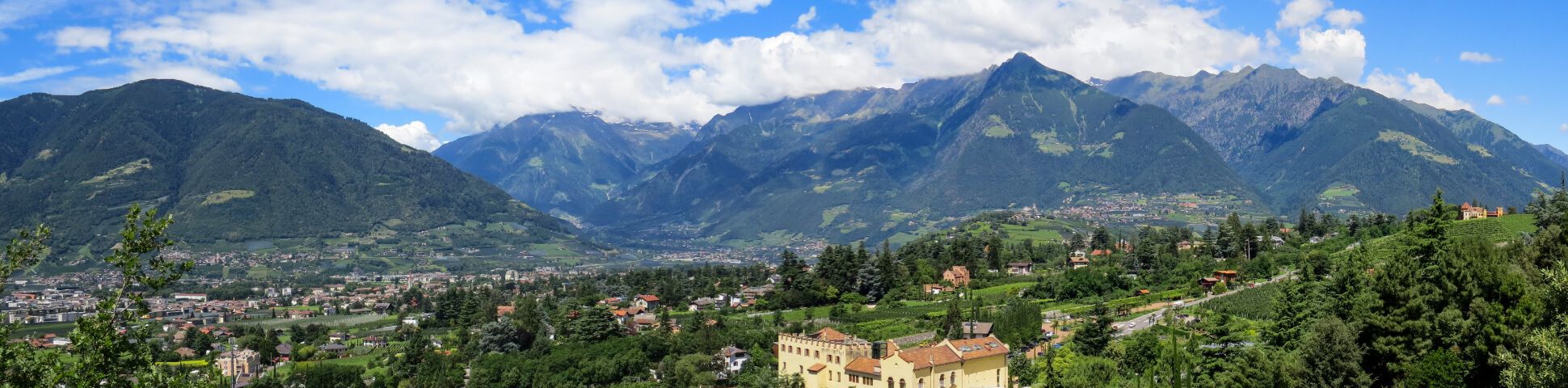
Hiking the Alpine Crossing: A Complete Guide
The Alpine Crossing is a four-stage hiking journey from Munich to Venice, crossing Germany, Austria, and northern Italy.
Lynn Campbell
Sep 1, 2026
Destinations
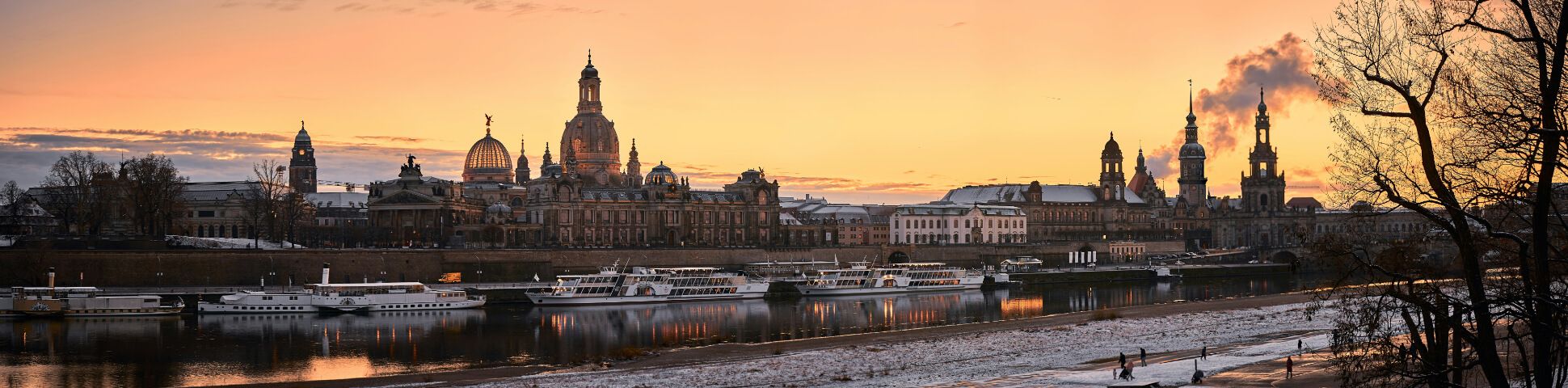
Elbe Cycle Route (Elberadweg): A Complete Guide to Cycling the Elbe
The Elbe Cycle Route is one of Central Europe's great river rides, following the Elbe from the Czech mountains through Saxony and northern Germany to the North Sea.
Kelsey Krahn
Aug 27, 2026
Destinations
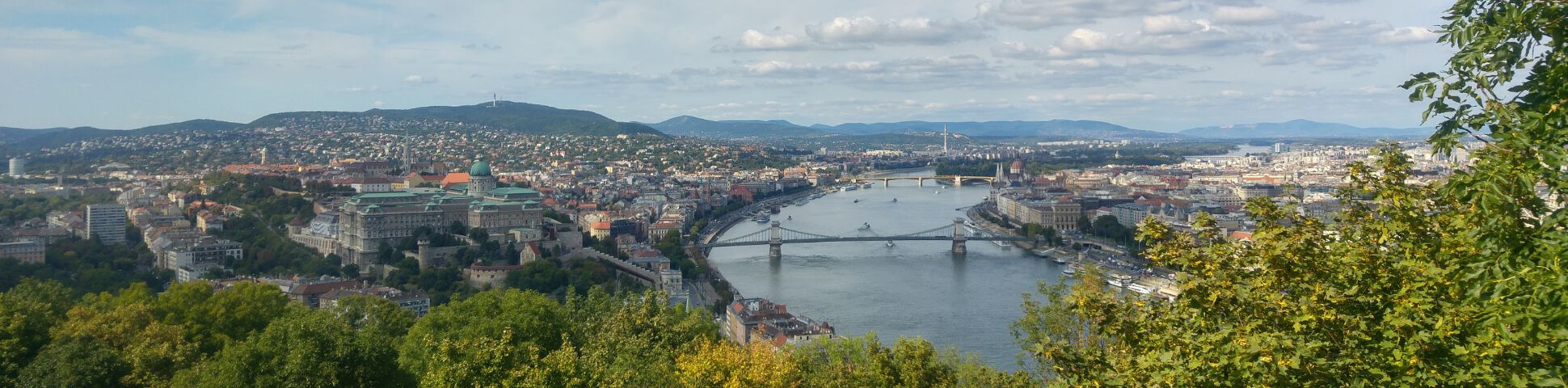
Danube Cycle Path: A Complete Guide to Cycling the Danube
The Danube Cycle Path is one of Europe's classic long-distance cycling routes, combining riverside riding with historic towns.
Nadine Gravis
Aug 25, 2026