
BlogDestinationsCycling in Morocco: Best Bike Tours, Regions and Routes for 2026
Cycling in Morocco: Best Bike Tours, Regions and Routes for 2026
Table of contents
Richard Campbell
Jun 16, 2026
Richard is the Founder of 10Adventures, and as a writer shares his experience from 30+ years exploring the world by foot, bike, ski, and boat.
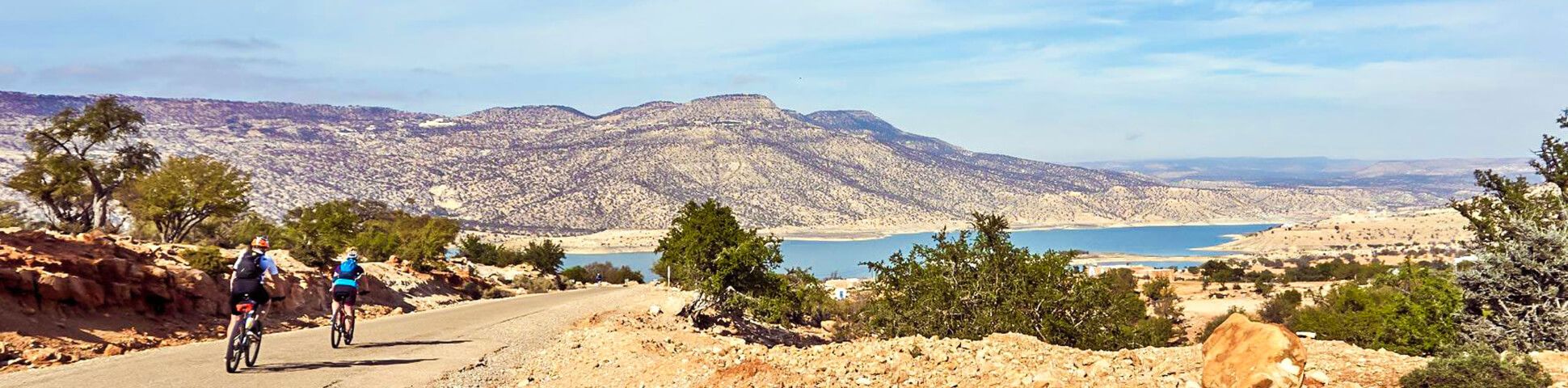
Cycling in Morocco is one of the most exciting ways to experience North Africa by bike. Morocco bike tours can steer riders from the noise of Marrakech into a collage of varied landscapes. Revel in the High Atlas Mountains, cycle toward Berber villages, travel across dry valleys, weave through palm groves, and travel onward to the Atlantic Coast or the edge of the Sahara Desert. It’s safe to say that Morocco cycling tours are not only about the ride; they are about the culture adding a layer of marvel and awe to the already-scenic views rolling by, the delightfully seasoned food, and warm hospitality.
For travellers who want route planning, accommodation, luggage support, transfers, and local guidance arranged in advance, Guided Morocco Bike Tours are the best starting point. If you are comparing Morocco cycling holidays with hiking, trekking, and broader active holidays, Morocco Adventure Tours can help you see how biking fits into a wider Morocco trip.
Why go Cycling in Morocco?
Morocco is one of the best countries for a cycling adventure because the scenery simply refuses to stay the same. Cycling trips almost become more about the workout rather than the adventure when the landscape rarely changes, but you won’t have to worry about that in Morocco. Expect a seamless fusion of the joy of travel and adventure with the endorphin hit that comes with exercising, thanks to the ever-changing landscape.
One trip can include red-walled cities, snow-capped mountain views, dry valleys, green oases, rocky desert tracks, coastal roads, and small villages where daily life still feels deeply local. It is a destination where the riding can be challenging, but the rewards are huge.
Cycling also gives travellers a slower, more grounded way to experience Morocco. Instead of only seeing the country through transfers and city stops, riders can move between villages, pause for mint tea, ride past terraced fields, meet local families in mountain communities, and watch the terrain shift from high passes to open desert-edge landscapes. For many cyclists, Morocco feels adventurous without requiring a long-haul expedition far from established travel support.
Most Morocco bike trips are best approached as guided cycling adventures. Roads, mountain tracks, weather, language, logistics, and remote terrain can all make local support valuable, especially in the Atlas Mountains and southern Morocco. A guided trip lets you focus on riding and immersing in the country while the route, accommodation, meals, transfers, and support are handled by people who know the region.
Best Time to go Cycling in Morocco
The best time to go cycling in Morocco is usually spring or autumn. March, April, May, September, October, and November generally offer a great balance of comfortable riding temperatures, mountain access, and clear conditions. These months are especially useful for routes through the Atlas Mountains, Jebel Saghro, southern Morocco, and desert-edge areas where summer heat can make cycling much harder.
Winter can work well for some lower-elevation and southern routes, but the High Atlas can be cold, snowy, or difficult at higher elevations. Summer can be extremely hot in Marrakech, the valleys, and desert regions, so longer cycling days can become uncomfortable or unsafe without careful planning. Always check the specific tour season because Morocco riding conditions change a lot between the mountains, coast, and desert edge.
When not to go cycling in Morocco
July and August can be too hot for many riders, especially in Marrakech, inland valleys, Jebel Saghro, and desert-adjacent areas. Mid-winter can also be difficult on high mountain routes if snow or cold temperatures affect passes. For most riders, spring and autumn are the safest planning windows.
Types of Cycling in Morocco
Not ready to commit to an intense mountain biking adventure, but still want to explore unique, stunning landscapes? You’ll likely find a cycling trip in Morocco that suits your style! The country has paved mountain roads, gravel tracks, desert-edge routes, rough mule paths, technical singletrack, and e-bike-friendly climbs. The right trip depends on whether you want smooth road riding, mixed-surface adventure, technical mountain biking, or pedal assistance for bigger days in the Atlas Mountains.
Gravel Cycling in Morocco
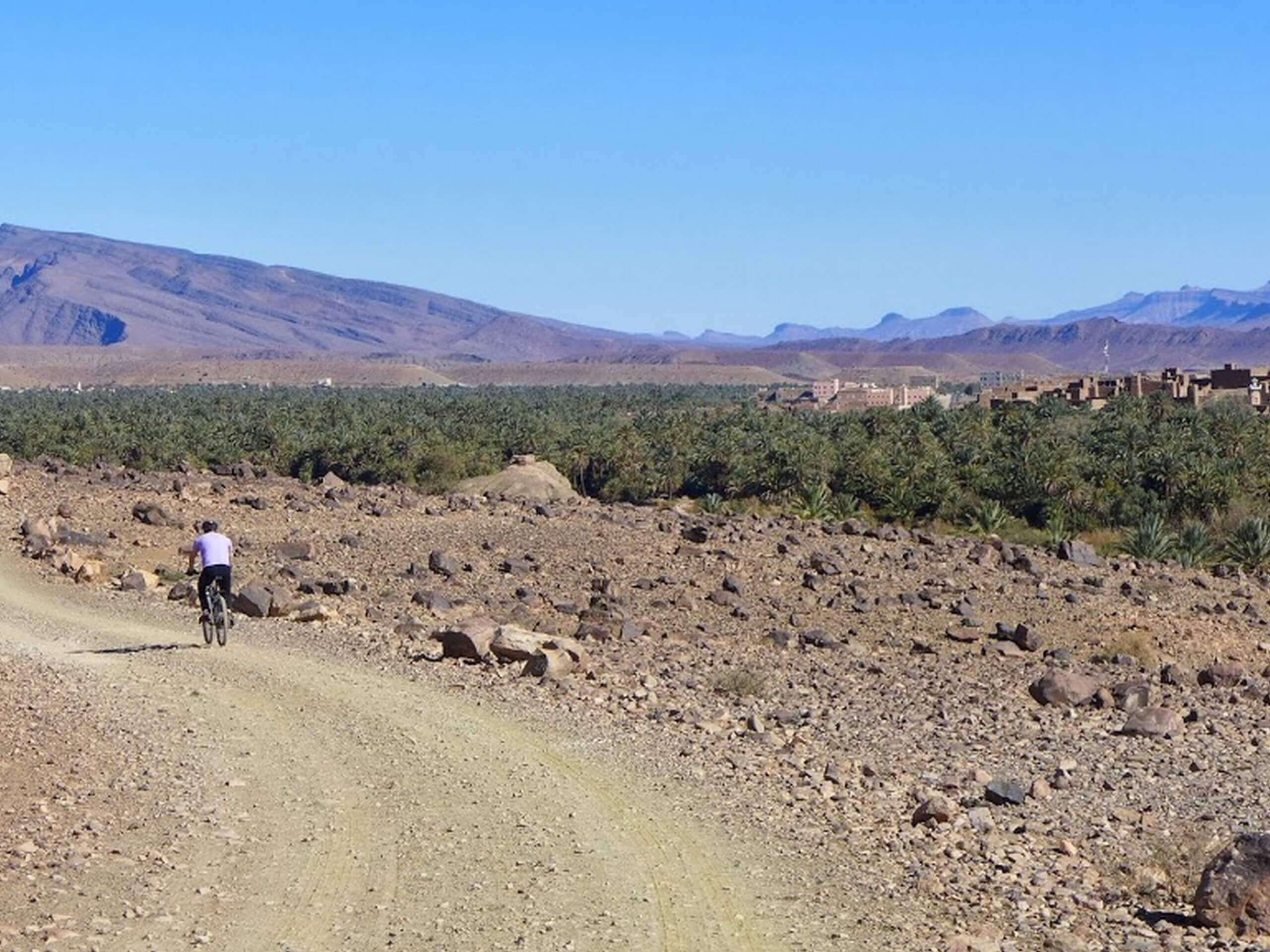
Gravel cycling in Morocco is a strong fit for riders who want a mixed-terrain adventure without committing to technical mountain biking. Many routes use dirt roads, rough backroads, village tracks, dry valleys, and desert-edge terrain where the scenery changes from mountain foothills to open plateaus. This style suits confident cyclists who like variety, but still want the ride to feel more like a journey than a technical trail session.
The Atlas foothills, southern Morocco, and valleys near the desert edge are especially good places to imagine gravel-style riding. Riders should expect dust, loose surfaces, changing road quality, and some remote sections, so guided support is useful if you want the adventure without managing every route and transfer detail yourself.
Riders looking for a supported gravel-style adventure can also consider the Guided Great South Morocco Mountain Bike Tour, which includes hilly gravel roads, southern Morocco landscapes, the Draa Valley, Jebel Saghro, and desert-edge scenery.
Mountain Biking in Morocco
Mountain biking in Morocco is one of the country’s biggest strengths for adventurous cyclists. The High Atlas, Jebel Saghro, Berber villages, rocky tracks, mule paths, and desert-edge terrain create a riding style that feels very different from classic European cycle paths. This is the best option for riders who want climbs, descents, rough surfaces, and a more physical experience.
This style is not always beginner-friendly. Strong mountain bikers can find technical singletrack, loose descents, and long rugged days, while less technical riders should choose routes carefully and look for guided support, vehicle backup, and realistic daily distances.
For a classic Atlas Mountains mountain biking route, the Guided Mountain Bike Tour in the Atlas Mountains is an ideal fit for riders who want dirt paths, Berber villages, high plateaus, and rugged mountain scenery.
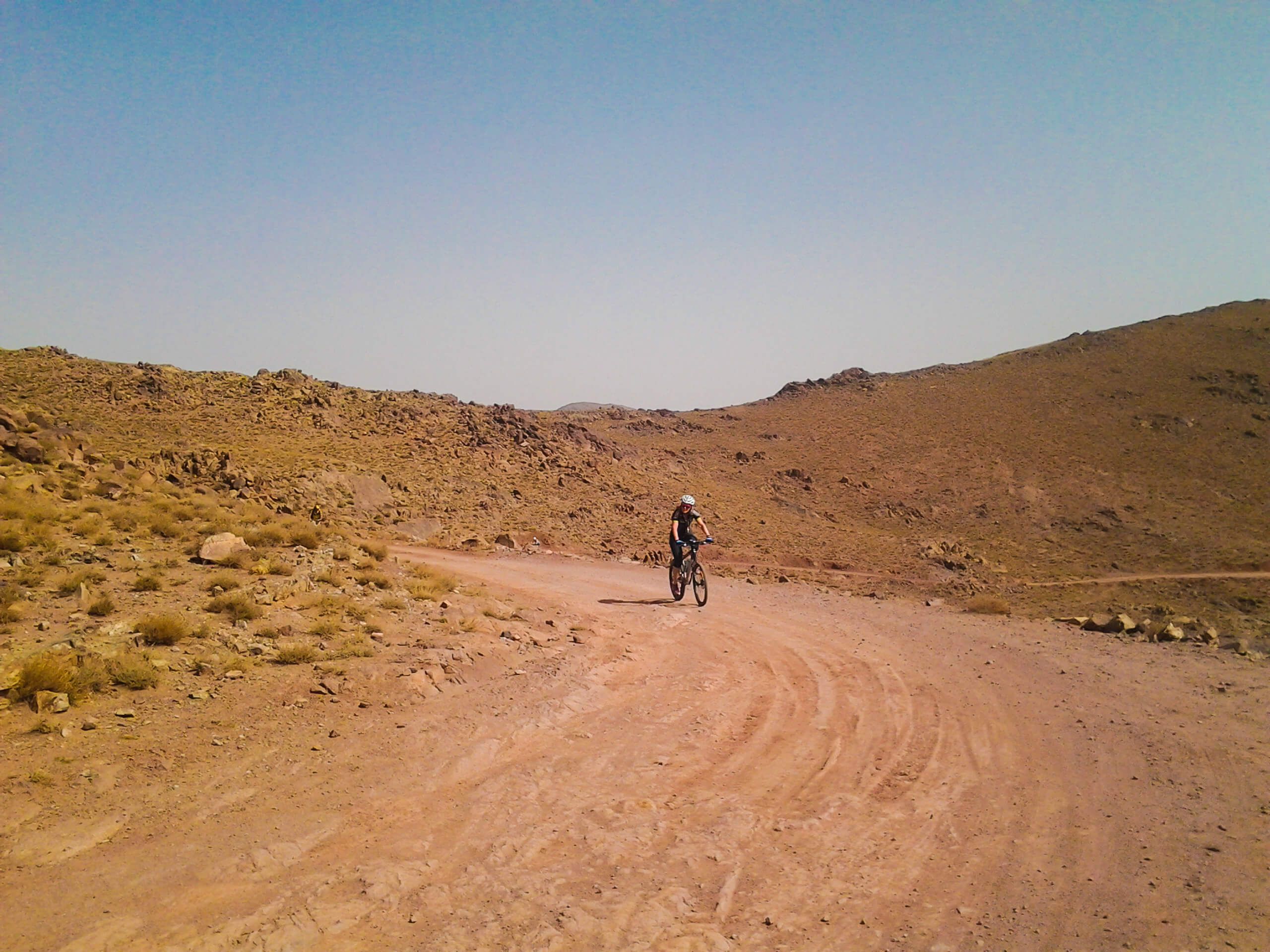
Road Cycling in Morocco
Road cycling in Morocco is best for riders who want paved climbs, long descents, mountain passes, gorges, Berber villages, and the feeling of crossing big landscapes by bike. The Atlas Mountains to Atlantic Coast route style is especially appealing because it can combine highland scenery with a finish near Essaouira and the ocean.
Road riders should still expect Morocco to feel adventurous. Surfaces, traffic, heat, and mountain weather can vary by region, so this style is a great choice for cyclists who want a guided point-to-point ride rather than a fully independent road cycling holiday.
Riders who want a shorter paved-road challenge can consider the Guided Road Biking Tour in the Atlas Mountains, which links Marrakech with Berber villages, the Kik Plateau, Oukaimeden, mountain passes, and views of Mount Toubkal.
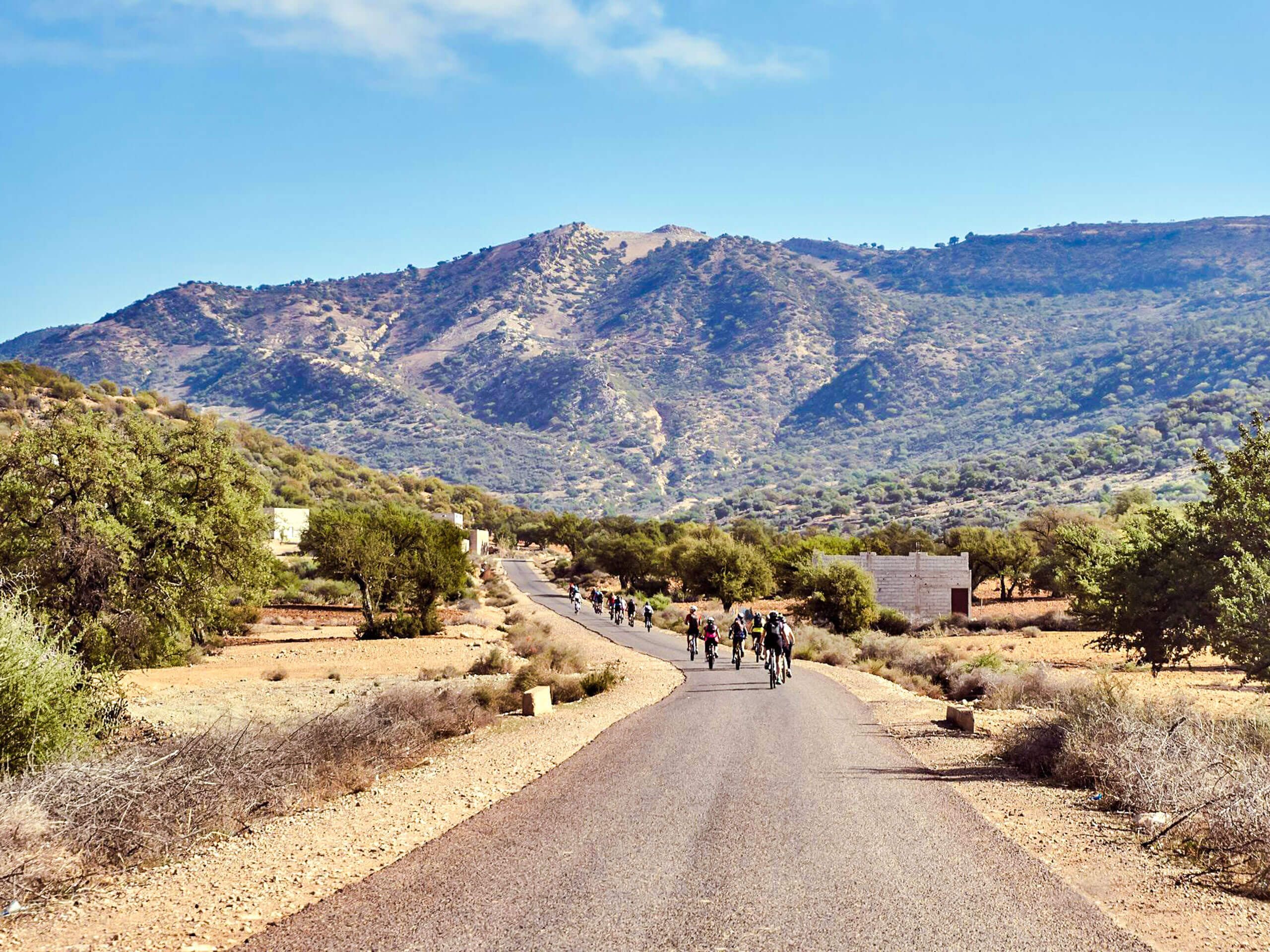
E-biking in Morocco
E-biking in Morocco works well for riders who want support on climbs, longer days, warmer temperatures, or mixed-fitness group trips. E-bikes can make mountain riding more approachable without removing the feeling of an active holiday, especially in the Atlas Mountains where elevation changes can be significant.
10Adventures has direct e-bike options in Morocco, including the Guided E-Mountain Bike Morocco Tour and the Guided Atlas Mountains E-MTB Tour. These types of tours are useful for travellers who want the scenery and culture of the Atlas Mountains with pedal assistance on climbs and rougher terrain.
Availability depends on the specific itinerary, so always check the exact tour page or ask 10Adventures before booking. Do not assume that every Morocco bike tour has e-bikes available.
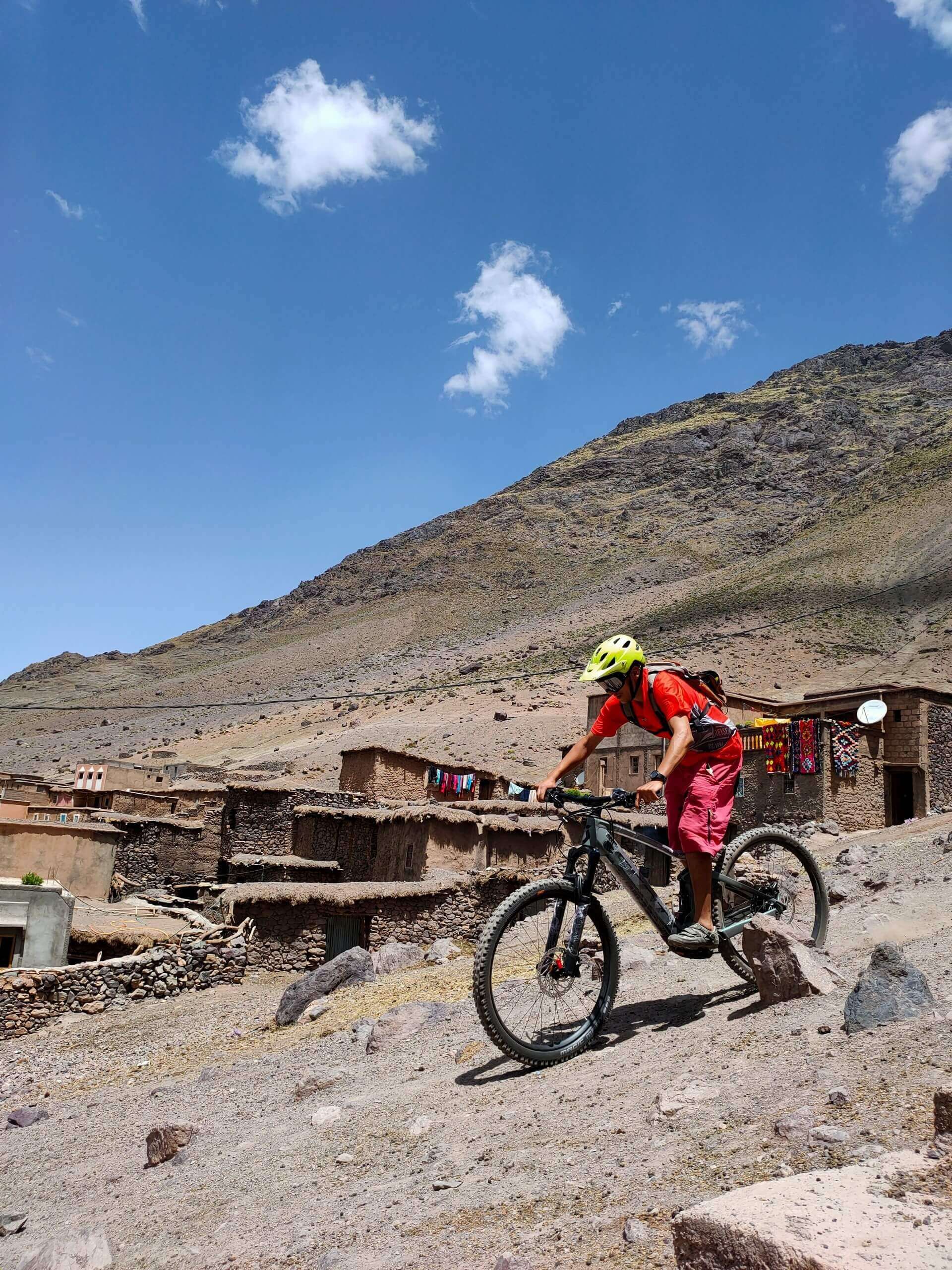
Best Regions for Cycling in Morocco
Guided Cycling in the Atlas Mountains
The Atlas Mountains are the heart of many Morocco cycling trips. The riding can be demanding, but it is also the region that gives Morocco its strongest adventure cycling identity.
Travellers comparing Morocco’s bike-specific mountain routes should start with Guided Atlas Mountains Bike Tours. A classic road option is the Guided Atlas Mountains to Atlantic Coast Road Biking Tour, which connects mountain passes, Berber villages, gorges, and the Atlantic Coast. For a mountain bike version of the same big-landscape idea, the Guided Atlas Mountains to Atlantic Coast MTB Tour is a stronger fit.
Best time to go: March to May and September to November.
When not to go: high summer can be very hot, while winter can bring cold or snow at higher elevations.
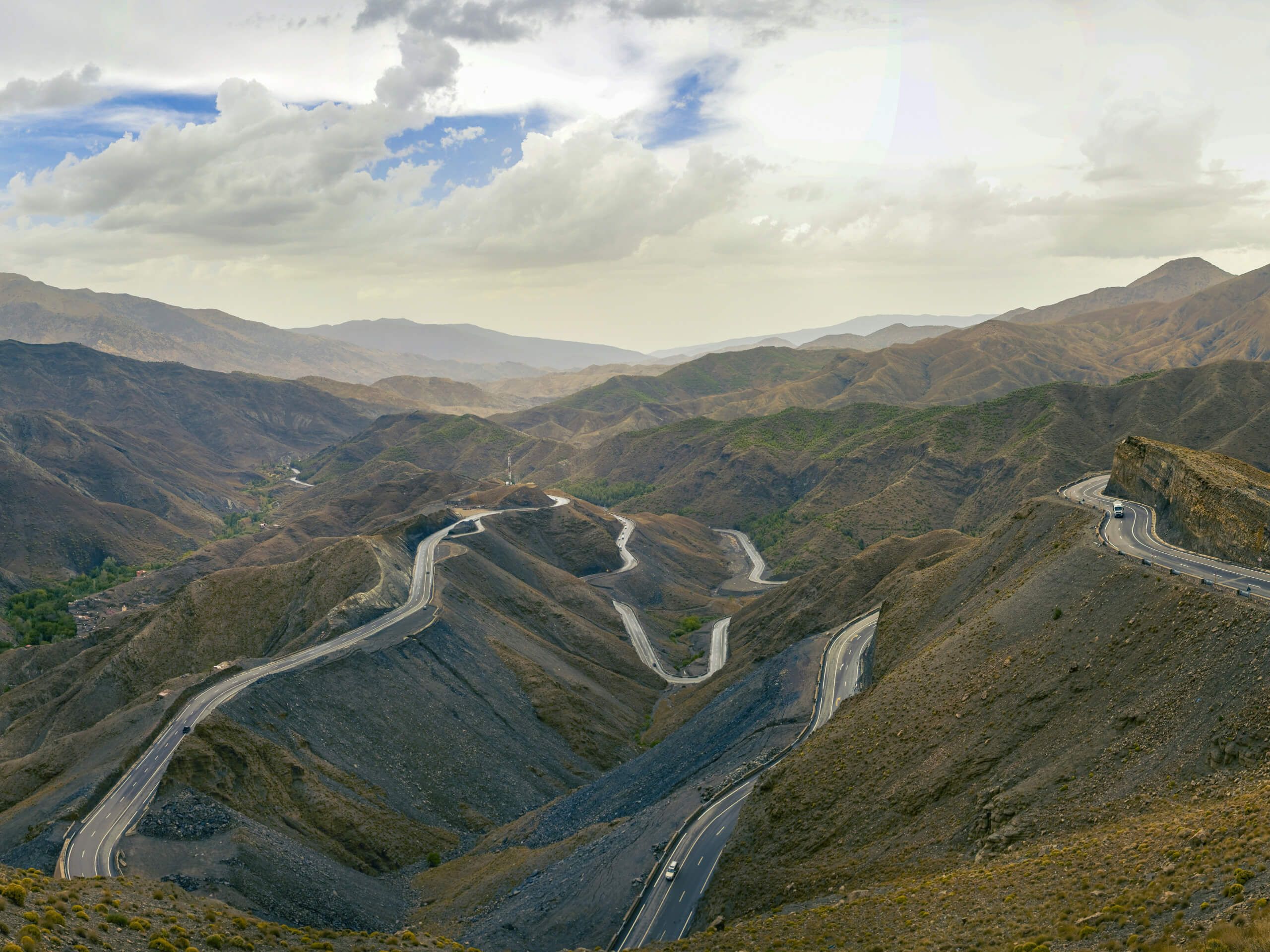
Guided Mountain Biking on Atlas Singletrack
Experienced mountain bikers should look closely at Morocco’s singletrack and enduro-style routes. The High Atlas is not only a scenic road biking destination; it also has rough tracks, mule paths, loose terrain, technical descents, and high plateaus that suit riders who want a more physical trip.
The Guided Singletrack Biking in Morocco Tour is best for riders with strong technical skills who want challenging terrain, local guesthouses, Berber country, and a fully supported mountain biking adventure.
Best time to go: Spring and autumn are best for technical riding.
When not to go: avoid these trips if you are looking for easy cycling, smooth roads, or beginner-friendly terrain.
Guided Cycling from the Atlas Mountains to the Atlantic Coast
The route from the Atlas Mountains toward Essaouira and the Atlantic Coast is one of Morocco’s most appealing cycling combinations. It gives riders mountain scenery, long descents, changing landscapes, argan country, coastal air, and time near one of Morocco’s most atmospheric seaside cities.
This region works well for riders who want a journey rather than a single riding base. The Guided Atlas Mountains to Atlantic Coast MTB Tour is better for riders who want off-road sections and a more adventurous mountain bike route across varied terrain.
Best time to go: March to May and September to November.
When not to go: avoid the hottest summer months if you do not enjoy long exposed climbs and warm inland valleys.
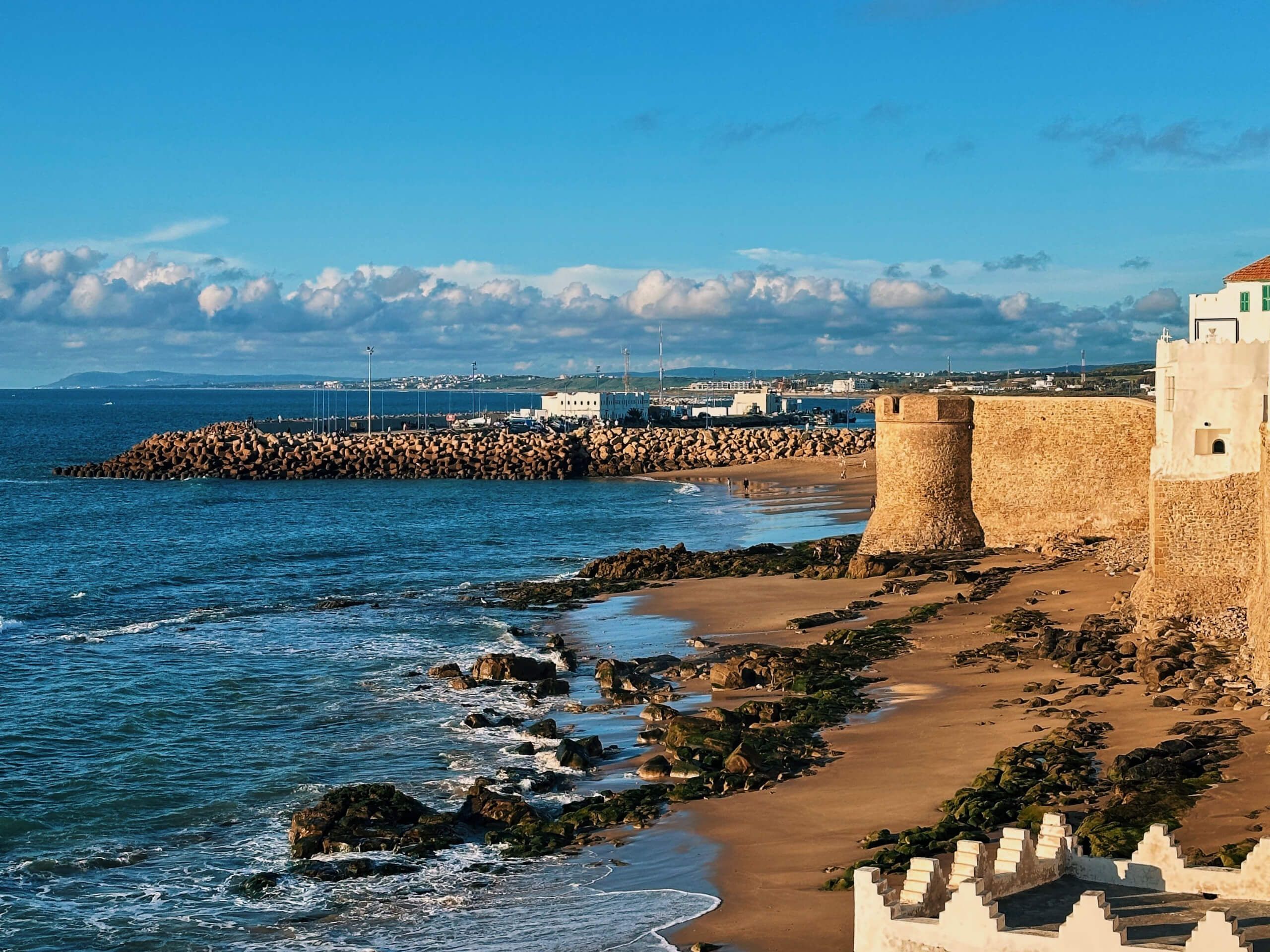
Guided Cycling in Jebel Saghro and Southern Morocco
Southern Morocco and Jebel Saghro offer a drier, more desert-edge version of Morocco cycling. This area sits between the High Atlas and the Sahara, with rocky plateaus, volcanic landscapes, kasbahs, palm valleys, and big open views. It suits riders who want the feeling of moving toward the desert without spending every day on sand.
The Guided Jebel Saghro Mountain Biking Tour is especially useful outside the summer months, when the arid southern landscapes can be ideal for cycling.
Best time to go: October to April can be especially appealing for southern and desert-edge rides.
When not to go: avoid peak summer heat, especially in dry valleys and open desert-adjacent areas.
Guided Atlas to Desert Cycling Adventures
Some Morocco cycling trips are about connecting the mountains, historic towns, and desert edges in one route. These tours are best for riders who want a bigger cultural journey with kasbahs, gorges, valleys, remote villages, and desert camps alongside the cycling.
The Guided Atlas to Desert Mountain Bike Tour includes places such as Ait Benhaddou, Ouarzazate, Dades Gorges, remote Berber villages, and Erg Chigaga. Travellers who want to compare non-cycling desert trips can also browse Sahara Desert Morocco Tours, but the bike tour is the better fit for riders who want the journey to stay active.
Best time to go: Autumn, winter, and spring are generally better than summer for desert-edge routes.
When not to go: avoid very hot months unless the itinerary is specifically designed around heat management and shorter riding windows.
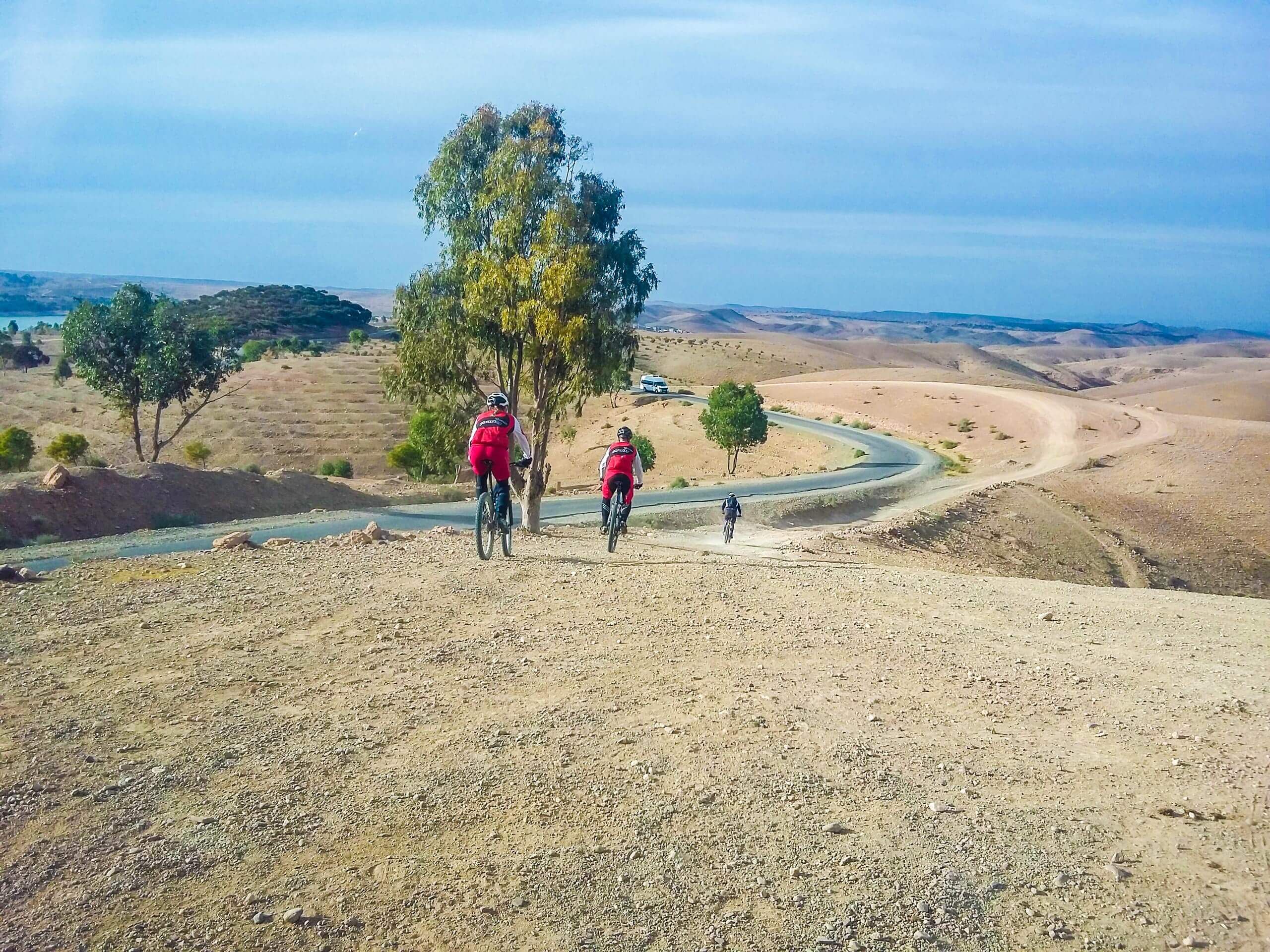
Cycling Morocco as Part of a Wider Africa Bike Trip
Morocco is also a strong option for travellers looking into cycling holidays across Africa. It is relatively accessible from Europe, has a strong mix of mountains and culture, and offers several guided road biking, mountain biking, and e-bike itineraries. Riders who want to check out Morocco with other African cycling destinations can browse Guided Africa Bike Tours.
Compared with some long-distance African bike trips, Morocco can feel more compact. You can discover the varied scenery spanning the country without needing several weeks. Overall, this makes Morocco a strong choice for cyclists who want a big adventure in a shorter travel window.
Getting to Morocco for a Bike Tour
Most Morocco bike tours are built around Marrakech, the Atlas Mountains, the Atlantic Coast, or southern desert-edge regions. Marrakech is one of the most common arrival points for cycling trips because it gives travellers good access to the High Atlas, nearby valleys, and routes that continue toward Essaouira, Jebel Saghro, or the Sahara edge.
For many travellers, Marrakech Menara Airport is the most practical airport to check first. Some itineraries may also involve transfers from other cities or finish in a different place than they start, so always confirm the exact meeting point, finish point, and included transfers before booking flights.
Why Book a Guided Cycling Tour in Morocco?
A guided cycling tour in Morocco is the easiest way to enjoy the country’s more adventurous routes without having to organize every detail yourself. Morocco cycling can include mountain roads, remote villages, changing weather, high passes, off-road tracks, vehicle transfers, luggage movement, and local accommodation, so support matters.
Guides also add cultural context. They can help with local interactions, route timing, meals, road choices, trail conditions, and the small details that make a trip feel smooth. This is especially valuable in the Atlas Mountains and southern Morocco, where distances and conditions can feel more remote than they look on a map.
For many travellers, the biggest benefit is confidence. You can ride through dramatic landscapes, enjoy the food and hospitality, and experience Morocco at a slower pace while the main logistics are already handled.
Which Morocco Bike Tour Is Right for You?
- Guided Atlas Mountains to Atlantic Coast Road Biking Tour: Best for road cyclists who want paved climbs, High Atlas scenery, Berber villages, gorges, and a route that finishes near the Atlantic Coast.
- Guided Atlas Mountains to Atlantic Coast MTB Tour: Best for riders who want a mountain biking version of the Atlas-to-coast experience with rugged terrain and big scenery.
- Guided Singletrack Biking in Morocco Tour: Best for experienced mountain bikers who want technical trails, mule paths, high plateaus, and a more demanding riding experience.
- Guided E-Mountain Bike Morocco Tour: Best for riders who want Atlas Mountain scenery with e-bike support on climbs and longer riding days.
- Guided Great South Morocco Mountain Bike Tour: Best for riders who want southern Morocco, Draa Valley, Jebel Saghro, kasbahs, and desert-edge mountain biking.
- Guided Atlas to Desert Mountain Bike Tour: Best for cyclists who want a big cultural route from the Atlas Mountains toward the Sahara, with gorges, villages, kasbahs, and desert camp atmosphere.
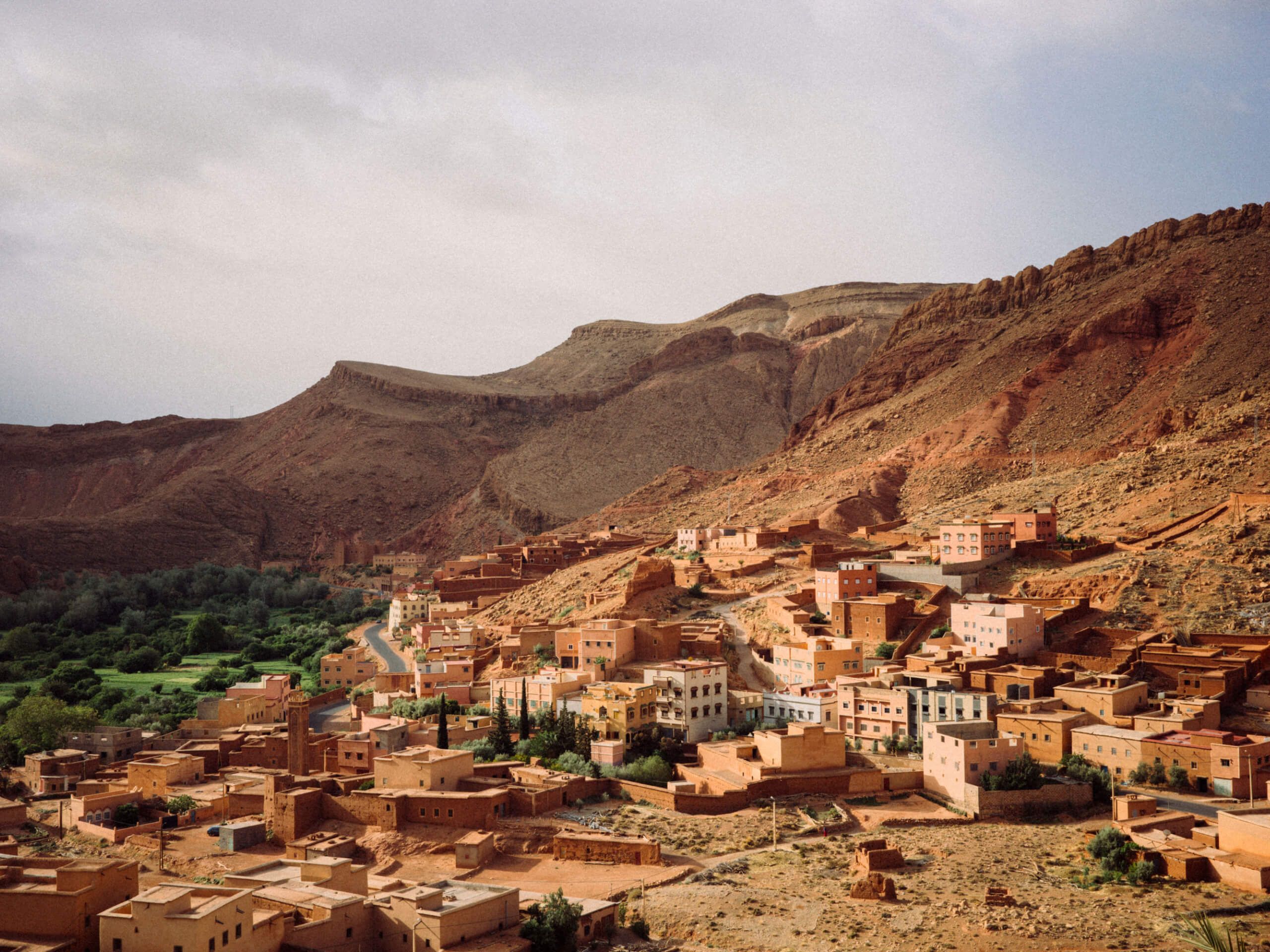
What to Pack for a Cycling Trip in Morocco
A Morocco cycling packing list should include breathable cycling clothing, padded shorts, sunglasses, strong sun protection, a lightweight wind layer, a rain shell for mountain weather, casual evening clothes, personal medication, and a reusable water bottle or hydration system. Cycling gloves are useful on rough mountain bike routes, and a buff or light neck covering can help with sun, wind, dust, and cool mornings.
Pack for the region and elevation, not just the country. Marrakech and southern valleys can be warm, while mountain mornings and evenings can feel cold. If your trip includes high passes, remote guesthouses, or desert-edge areas, bring layers and check the tour’s packing guidance carefully. If bikes, helmets, or e-bikes are included or available, confirm the details before deciding what to bring from home.
Final Tips for Planning a Morocco Bike Tour
Choose your Morocco bike tour based on riding style first. Road cyclists should look at Atlas-to-Atlantic routes with paved climbs and long descents. Mountain bikers should compare Atlas singletrack, Jebel Saghro, southern Morocco, and Atlas-to-desert routes. Travellers who want help on climbs or mixed-fitness flexibility should look closely at e-bike itineraries.
Also be realistic about heat, elevation, and terrain. Morocco can be incredibly rewarding by bike, but it is not always an easy cycling destination. The best trip is the one that matches your fitness, technical ability, preferred season, and comfort level. With the right guided route, Morocco can be one of the most memorable cycling destinations for riders who want culture, landscapes, and adventure in one trip.
Frequently Asked Questions About Morocco Bike Tours
Is Morocco good for bike tours?
Yes, Morocco is excellent for bike tours because of the ever-changing landscapes and strong guided cycling options. It is especially good for riders who want culture and adventure together.
What is the best region for cycling in Morocco?
The Atlas Mountains are the best starting point for most Morocco bike tours. They offer road biking climbs, mountain biking trails, Berber villages, high passes, and access to routes that continue toward the Atlantic Coast or southern Morocco.
When is the best time to cycle in Morocco?
Spring and autumn are usually the best seasons for cycling in Morocco. March to May and September to November generally offer more comfortable riding conditions than peak summer, especially in the mountains and southern regions.
Is summer too hot for cycling in Morocco?
For many riders, July and August are too hot for long cycling days in Morocco, especially around Marrakech, inland valleys, Jebel Saghro, and desert-edge areas. Early starts can help, but spring and autumn are usually better.
Are Morocco bike tours guided?
Yes, many Morocco bike tours on 10Adventures are guided. This is useful because guided trips help with route planning, local logistics, accommodation, meals, support vehicles, and riding in more remote terrain.
Are e-bikes available on Morocco cycling tours?
Yes, some Morocco cycling tours are e-bike or e-mountain bike trips, but availability depends on the exact itinerary. Check the specific tour page or ask 10Adventures before booking.
Can beginners cycle in Morocco?
Some confident beginners may enjoy shorter or supported rides, but many Morocco bike tours are better for intermediate or experienced cyclists. Mountain biking and high-pass routes can be physically demanding, so match the trip to your fitness and technical ability.
What airport should I use for Morocco bike tours?
Many cycling trips in Morocco begin in or near Marrakech, so Marrakech Menara Airport is commonly used. Always check the exact tour page for start location, transfer instructions, and arrival timing.
Richard Campbell
Jun 16, 2026
Richard is the Founder of 10Adventures, and as a writer shares his experience from 30+ years exploring the world by foot, bike, ski, and boat.
Recent stories
Destinations
Where to Go Instead: 10 Less Crowded Alternatives to Europe’s Famous Trails
Europe's best-known hiking trails deserve their reputations, but popularity changes the experience.
Nadine Gravis
Sep 16, 2026
Destinations
Best Family Adventure Tours for Kids 12 and Under
As most parents know, family adventure travel is hard to plan while your children are young.
Richard Campbell
Sep 16, 2026

Destinations
How Much Does the Tour Du Mont Blanc Cost?
How much does the Tour du Mont Blanc cost in 2026?
Kelsey Krahn
Sep 15, 2026