
BlogBucket List AdventuresPilgrimages: Where to go in 2026
Pilgrimages: Where to go in 2026

Nadine Gravis
Dec 28, 2025
This article is part of our feature titled Top 10 Bucket List Adventures by 10Adventures. This list was compiled by 10Adventures staff, following hundreds of our discussions with seasoned adventure travellers and coming to know what trips are on their bucket lists!
Want to find physical and mental health in 2026? Then make 2026 your year for a pilgrimage. Spend a week to several months walking in the footsteps of history, through sun-drenched hills and ancient villages, where every step connects you to something deeper. A pilgrimage isn’t just a walk; it’s a soul-stirring journey filled with intention, beauty, and personal transformation.
Whether you're walking the sacred Camino de Santiago across northern Spain, wandering through the Tuscan hills on the Via Francigena, or exploring centuries-old paths in the footsteps of saints, pilgrims, and seekers, this is more than travel. It is a chance to reconnect with your purpose, rediscover your strength, and experience the world (and yourself) in a new light. If you're struggling to choose, check out our guide to the Top 10 Pilgrimage Routes.
At 10Adventures, we believe a pilgrimage is one of the most meaningful adventures you can undertake. With our expert planning and support, you can focus on the journey without worrying about the logistics.
Why People Go on Pilgrimages
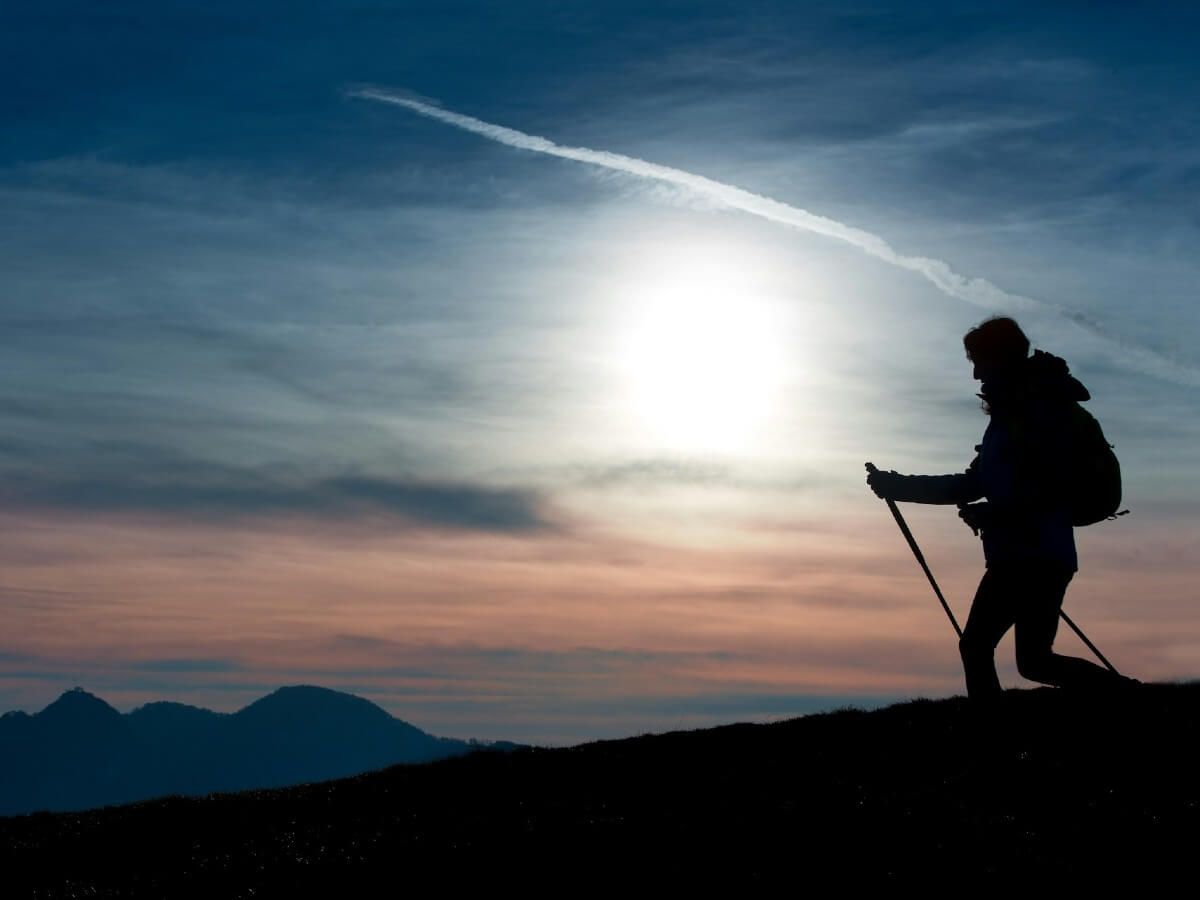
Pilgrimage experiences hold a timeless allure, drawing people for reasons as diverse as the paths themselves.
A Path of Purpose
Some go to mark a life change or personal milestone. Others seek spiritual renewal, a sense of connection, or time away from the noise of modern life. Whatever the reason, a pilgrimage offers space to reflect, heal, and grow. A Pilgrimage is at the top of our list of the top 10 walking tours for travelers over 50!
A Journey of the Body and Mind
Pilgrimages are physically rewarding. The steady rhythm of walking brings a meditative calm. You’ll build endurance, improve your health, and sleep soundly under starry skies. Mentally, many pilgrims report feeling more grounded, focused, and open to life’s beauty and mystery. Preparation is a big part of enjoying the physical aspect of a pilgrimage, and this guide to preparing for your Camino is worthwhile.
Cultural Wonders
On pilgrimage routes, history unfolds with every step. Medieval cathedrals, Roman roads, charming villages, and ancient wayside crosses dot the path. You’ll savour local cuisine and wines, meet people from all over the world, and form meaningful bonds with fellow travellers and locals alike.
A Shared Experience
Pilgrimages are deeply human. Though your journey is your own, you will feel a sense of shared purpose with everyone you meet along the trail. It is a moving blend of solitude and community, a rare balance that enriches your experience.
Where to Go on a Pilgrimage in 2026
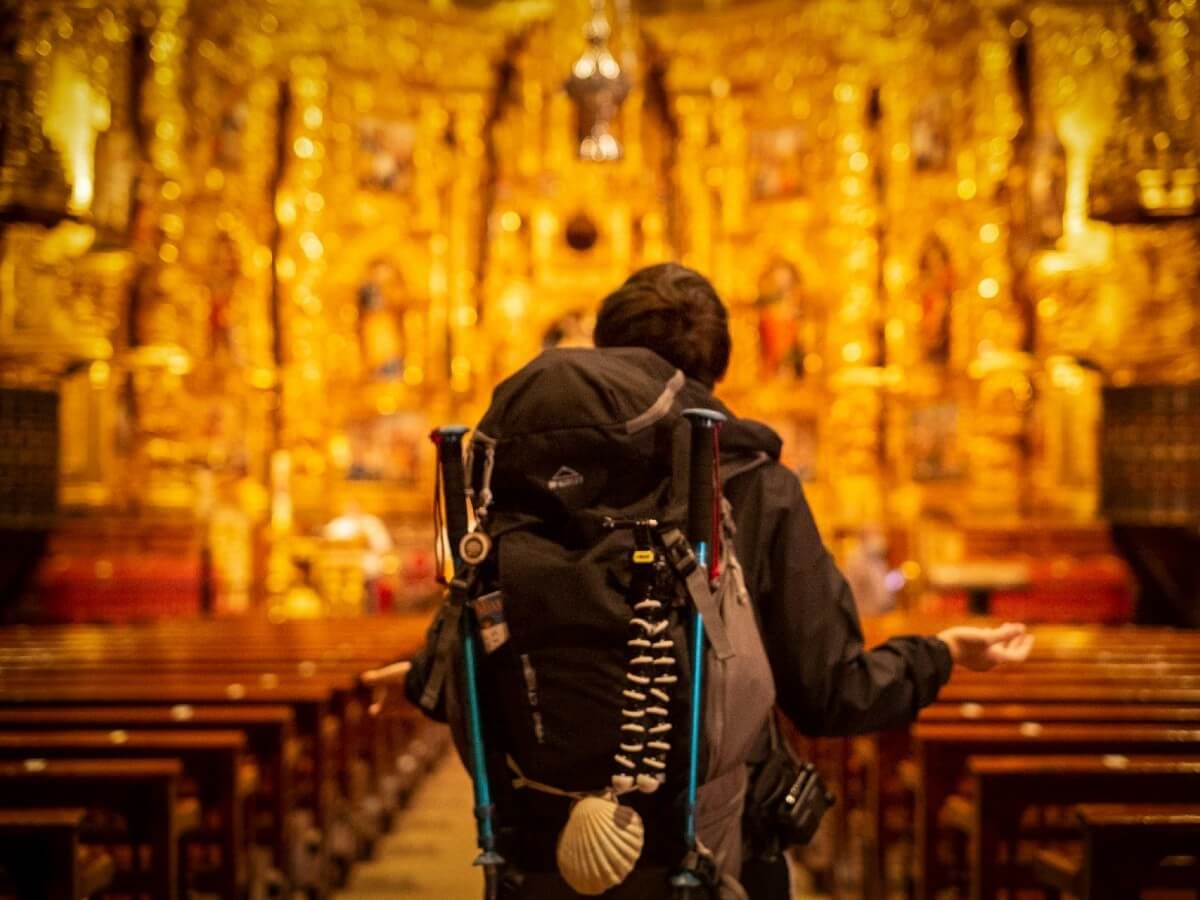
Pilgrimage trails span the globe, weaving through sacred landscapes and storied cities. While many are rooted in religious traditions, today’s pilgrims come for personal, cultural, and spiritual reasons alike.
Here are two of the most iconic pilgrimages that are often walked as bucket list experiences:
The Camino de Santiago, Spain and Beyond
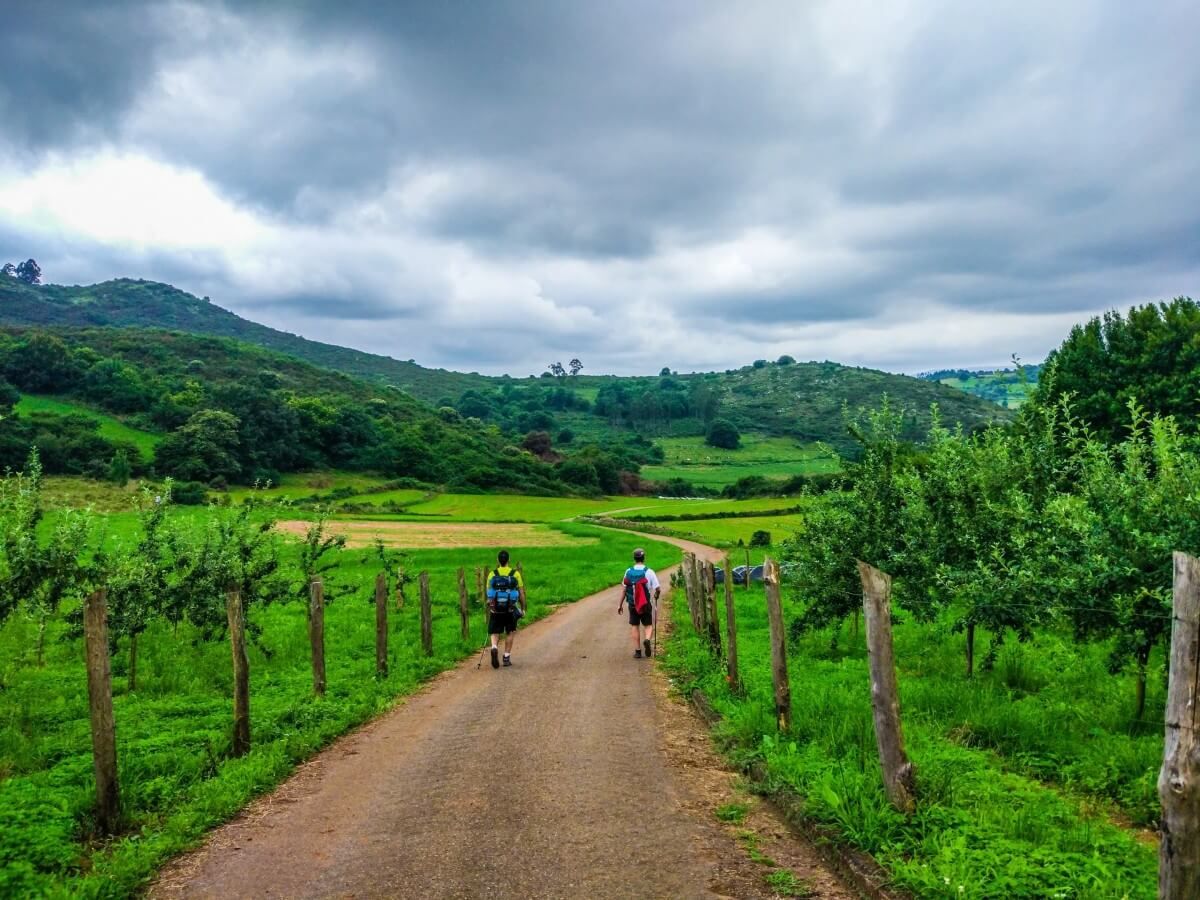
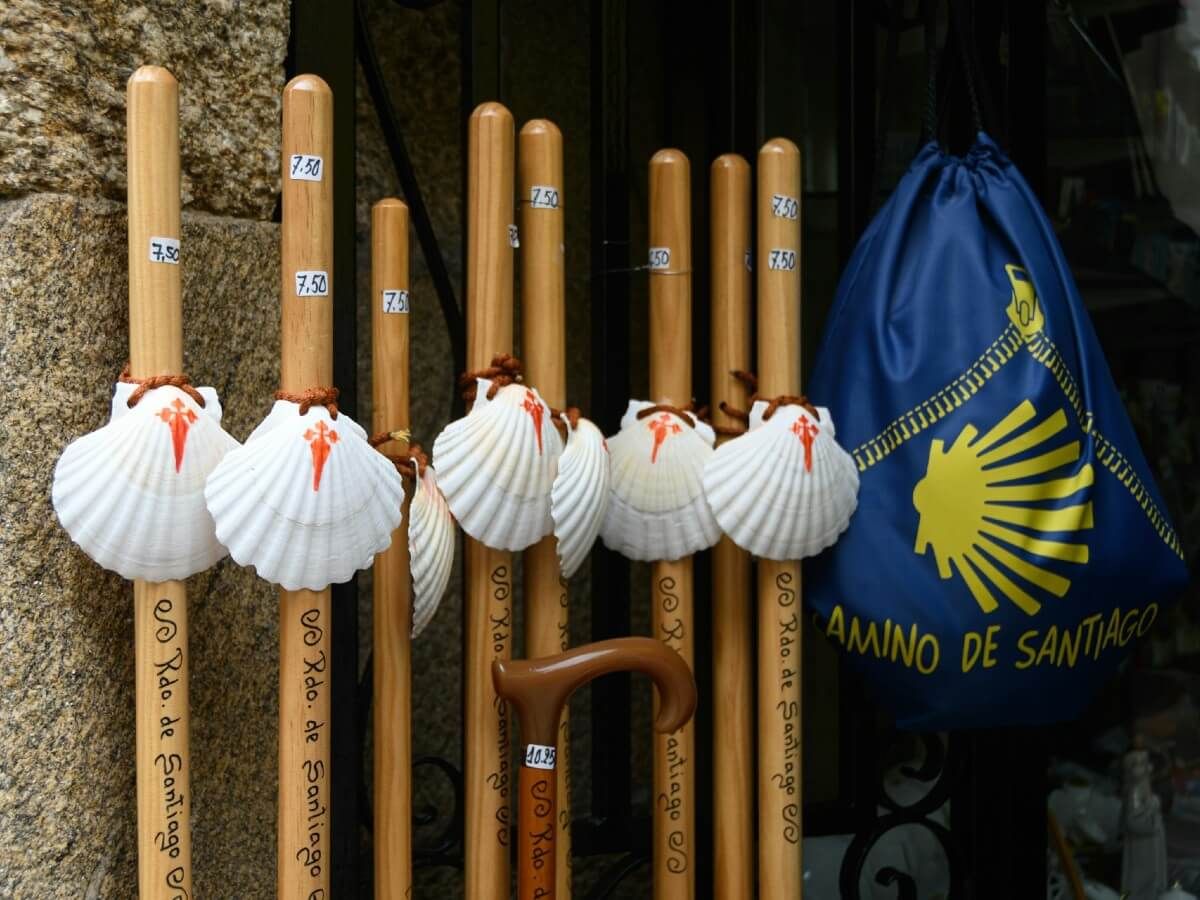
The Camino do Santiago is an ancient network of trails leads to the Cathedral of Santiago de Compostela in northwest Spain. The Camino is one of the top treks in Spain, and for good reason, walking village to village savouring the beautiful views and great food is irresitable.
While most pilgrims walk the Camino de Santiago, you can also cycle the Camino de Santiago, and it is one of our Top 5 Cycling Adventures for travellers over 50 years of age!
There are a variety of routes and variants you can walk or cycle to get to Compostela, and for first-time pilgrims this variety can lead to confusion!
Camino Frances
The Camino Francés is also known as the French Way, and it is the most popular Camino route. The Camino Frances begins in the French Pyrenees and winds 780 km through rolling vineyards, medieval towns, and quiet farmlands. Check out this guide to learn all about walking the Camino Frances, or see why we think the Camino is one of the Top 10 Bike Trips on earth! While many pilgrims walk the Complete Camino Frances, others choose a shorter route, and you can even walk a Camino Frances in Deluxe Hotels!
Camino Portugues
The Camino Portugués is the traditional pilgrim route that led North to Santiago, starting in Lisbon or Porto. This scenic route meanders through Portugal’s picturesque coast and pastoral heartlands, with the Coastal Camino Portugues being one of the prettiest Camino routes to take, and cycling the Portugues Coastal Camino is a beautiful journey.
Camino del Norte
The Northern Way, or the Camino del Norte was traditionally used by pilgrims arriving from sea in the ports of Northern Spain. Walking the Northern Way is a wonderful walking route that hugs the rugged northern coastline of Spain, passing through fishing villages and dramatic ocean views.
Other Pilgrim Routes to Santiago
- The Camino de Invierno is also known as the Winter Way. The Camino Invierno offers a quieter, less-traveled alternative to the main Camino routes, following a historic path used by pilgrims to avoid the snow-covered mountains of O Cebreiro. It’s celebrated for its mild climate, peaceful solitude, and striking landscapes of rivers, vineyards, and gorges through southern Galicia. Walking the Camino de Invierno is a different, and more tranquil experience compared to other Caminos.
- The Camino Primitivo is the original Camino route to Compostela. Walking the Camino Primitivo is a special trip, as the route is known for its remote beauty and challenging terrain. The route begins in Oviedo and rewards walkers with solitude and authenticity.The Camino Finisterre is an extension for pilgrims that have already walked to Santiago, and takes pilgrims to the end of the world. Walking to Finisterre is a common addition for pilgrims.
- The Camino Ingles is also known as the English Way, and was the route used by English pilgrims. It is one of the shortest camino routes, with pilgrims walking the English Way starting in Ferrol only having to walk approximately 120km to Santiago.'
- The Via de la Plata, or the Silver Way, is one of least walked routes to Compostela. Most pilgrims that walk the Via de la Plata walk the last 100km so they can earn the Compostela certificate.
- The Le Puy Camino, or Via Podiensis is a French pilgrim route that starts in Le Puy-en-Velay and ends at Saint-Jean-Pied-de-Port. Approximately 750km in length, the Le Puy Camino is renowned as a beautiful and more tranquil route, with many pilgrims combining this with the traditional French way. It's also popular to cycle the Le Puy Camino.
- The Sarmiento Camino is variant of the Camino Portugues, taking 7-9 days to traverse 180km to reach Santiago. The diversity of this route is what pilgrims love, with rugged coastline, beaches, rivers, and forests.
- The Camino Lebaniego is another interesting camino. This is a shorter route, approximately 5 days, that leads to the Monastery of Santo Toribio de Liebana, which houses a preserved piece of the True Cross.
- The Camino dos Faros is also known as the Lighthouse Way is a 200km walking route that links up with Finisterre along the coastline.
- The Camino Sanabres is another great route that diverges from the Via de la Plata in Zamora. Totally roughly 365km, the route changes from the flat plains of Zamora to the beautiful green hills of Galacia.
Each variation offers its own charm, but all share a unifying spirit of discovery, connection, and tradition.
The Via Francigena, Italy
The Via Francigena traces a medieval pilgrimage path from Canterbury to Rome, the Via Francigena walking route is a spectacular journey through the heart of Europe.
The route follows a medieval path for pilgrims making their way to the Vatican, and the total route is roughly 2,000km long. Due to the distance, most travellers choose to walk the final Italian section, from Great St Bernard Pass to Rome. Highlights of this part of the Via Francigena are where the route winds through Tuscany’s rolling hills, vineyard-cloaked valleys, and ancient hill towns. This article recounts the personal experience of walking the Via Francigena of 10Adventures Founders Richard & Lynn as they embarked on the route from Lucca to Rome.
Along the way, you will marvel at:
- The Gothic beauty of Siena and Lucca
- Quiet Roman roads and countryside trails
- Farm-to-table meals and incredible local wines
- The spiritual and architectural wonder of St. Peter’s Basilica in Rome
Via Francigena Stages from the Great St. Bernard Pass
- Great St Bernard Pass to Ivrea: Walking down into Italy you marvel at the Aosta Valley and the views of nearby Gran Paradiso National Park.
- Ivrea to Pavia: Follow the Po Valley and savour North Italian cuisine.
- Pavia to Fidenza: The route offers captivating historical sites like the Cistercian Abbey of Chiaravalle della Colomba and Fidenza’s magnificent cathedral.
- Fidenza to Potremoli: This part of the Via Francigena takes you through the Apennines, crossing the historic Groppodalosio Bridge.
- Pontremoli to Lucca: This section of the Via Francigena combines lush countryside, medieval villages, coastal trails, and the artistic heritage of Tuscany, offering an unforgettable adventure through one of Europe’s historic pilgrimage paths.
- Lucca to Siena: Enjoy panoramic views of rolling hills and vineyard stretch out before you like a painting on this incredible tour.
- Siena to Montefiascone: Experience the medieval charm of Siena, the breathtaking rolling hills of the Crete Senesi, and charming hilltop villages like San Quirico d'Orcia and Castiglione d'Orcia.
- Montefiascone to Rome: Walk between lovely historic villages and through scenic Lazio countryside before reaching the incomparable city of Rome.
The Via Francigena is less travelled than the Camino, offering a more serene and immersive experience for those drawn to culture, solitude, and the Italian way of life.
Other Pilgrimage Routes
There are many other pilgrimage routes worldwide, such as:
- The Appian Way is an ancient Roman Road leading South from Rome, on a less visited but equally stunning route to the Via Francigena.
- The St Francis Way is another pilgrimage route in Italy. This route traces the life of Saint Francis of ASsisi stretching 500+ km from Florence to Rome, and amongst Italian locals it is felt to be one of the most beautiful walks in Italy.
- In Japan, the famous Kumano Kodo pilgrimage is a collection of pilgrimage routes in the Kii Peninsula.
- The Shikoku 88 pilgrimage is a 1,400 km route that takes in 99 temples on the island of Shikoku.
- The trek to Mount Kailash in Tibet is a prominent Buddhist pilgrimage.
- The Rainbow Mountain pilgrimage in Peru is a pilgrimage based on ancient Andean beliefs, as the mountain is considered a natural deity.
Pilgrimages combine spiritual reflection, cultural discovery, and physical activity, offering a journey that nourishes both mind and body. They also provide a unique way to experience local landscapes, traditions, and communities far beyond what a typical vacation offers.
When to Go on a Pilgrimage
Camino de Santiago
We have written a guide about the best time to walk the Camino de Santiago.
- Best Time: April to October. In fact we think the Camino is one of the Best Autumn Walks in Europe.
- High Season: May to September offers the best weather and camaraderie on the trail. Expect warm days, lively pilgrim communities, and long hours of sunlight.
- Shoulder Season: April and October bring fewer crowds and a cooler, quieter experience.
- Winter Walking: This is possible, but some services may be closed, especially on less-travelled routes.
Via Francigena
- Best Time: May to June and September to October
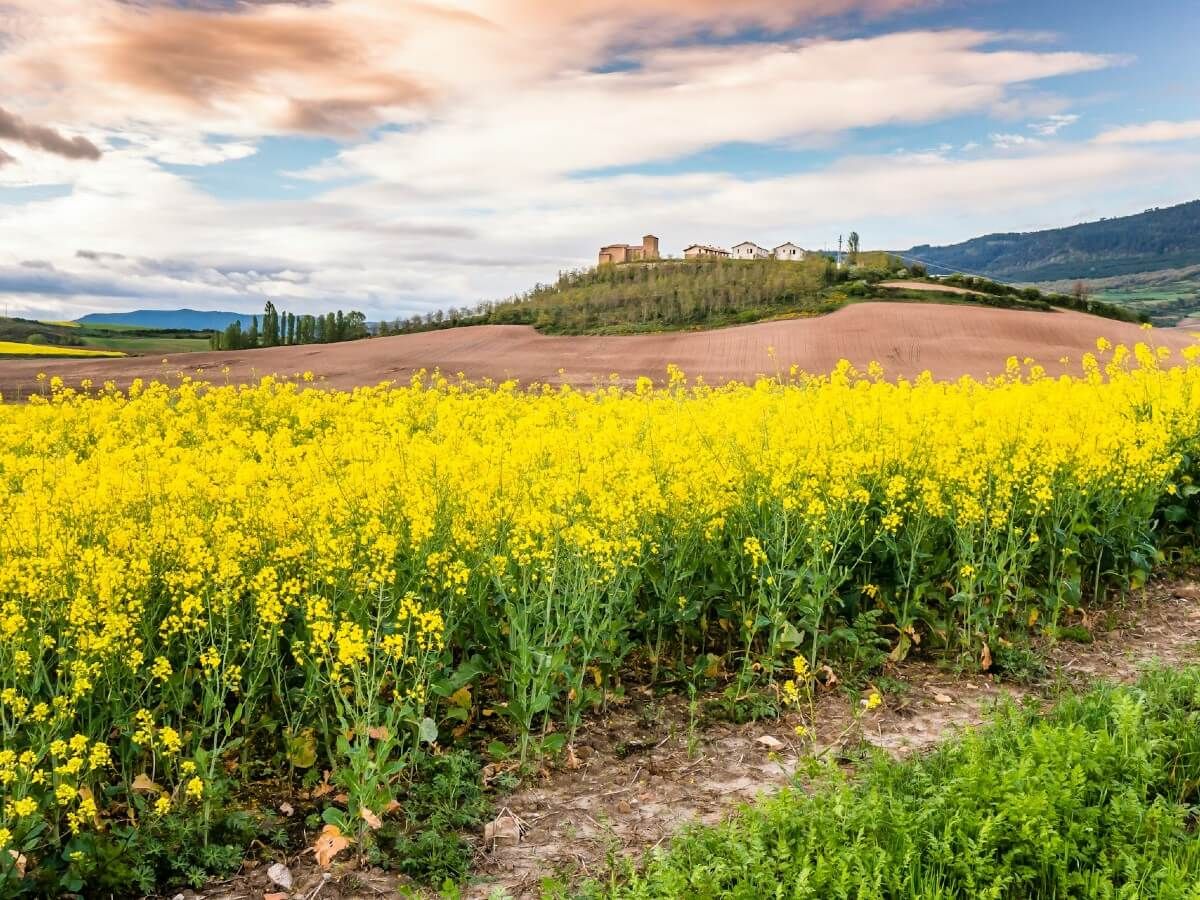
- Spring: Wildflowers are in bloom, with mild weather and fewer tourists.
- Autumn: Enjoy cooler temperatures, harvest season in Tuscany, and golden-hued landscapes.
- July and August: These months can be hot, particularly in central Italy, but are still manageable for well-prepared travellers.
No matter the time of year, we will help you choose the best itinerary and prepare you for a smooth, enjoyable journey.
Pilgrimage FAQs
- Do I need to be religious to go on a pilgrimage?
Not at all. While pilgrimages have spiritual roots, many people walk them for personal growth, reflection, or simply the joy of long-distance travel. - How far do I walk each day?
Most stages range from 15 to 25 km (9 to 16 miles) per day. We tailor your itinerary to your fitness level and preferences. - What is the accommodation like?
You will stay in charming inns, B&Bs, or boutique hotels that are clean, comfortable, and often family-run with local character. - Do I need to carry all my luggage?
No. Our tours include daily luggage transfers so you can walk freely with just a daypack. - Can I walk solo?
Absolutely. Many pilgrims travel alone, and the path is safe and well-marked. You will meet plenty of friendly faces along the way. - Is a pilgrimage physically demanding?
It requires moderate fitness, but it is not a race. With the right preparation, most active travellers can comfortably complete a pilgrimage. - What should I pack?
Lightweight, moisture-wicking layers, good walking shoes, and a sense of curiosity. Click here for a full packing list. - What kind of food will I eat?
Delicious, local cuisine. Think Spanish tapas, Portuguese seafood, Tuscan pasta, and plenty of fresh bread and wine. - Is a self-guided pilgrimage safe?
Yes. Our self-guided trips include maps, navigation tools, emergency support, and detailed local information. - Can I customize my pilgrimage?
Definitely. We offer flexible itineraries that can be adjusted to suit your travel style, group size, and timeframe.
Planning Your Pilgrimage Tour
Planning a pilgrimage can feel overwhelming. From choosing your route to booking accommodations and handling luggage logistics, there is a lot to coordinate.
That is where we come in.
At 10Adventures, we make it easy. Whether you want a self-guided walk, a guided group experience, or a custom itinerary tailored just for you, our team handles the details so you can focus on the moments that matter.
Let us take care of the logistics so you can walk with purpose, discover new landscapes, and return home changed.
A pilgrimage is not just a walk. It is a bucket list journey that stays with you. Contact a travel advisor today and take the first step on your pilgrimage adventure.
Recent stories
Trip guides
Alpe Adria Trail: The Ultimate Guide to a Self-Guided Alpe Adria Tour in 2026
If you are looking for one of Europe’s most rewarding hiking or cycling trips, the Alpe Adria is hard to beat.
Richard Campbell
Mar 20, 2026
Destinations
Best Cycling Tours in Italy for the 50+ Traveler
Cycling through Italy is one of the most rewarding ways to experience the country’s timeless beauty.
Alex Todd
Mar 12, 2026
Destinations
Hiking in Italy: Explore Italy’s Most Breathtaking Trails on Foot in 2026
Italy is a world-class hiking destination, and definitely deserves more buzz than it might get.
Lynn W
Mar 11, 2026